
U.S. Consumer Confidence Declines Amid Rising Inflation and Costs
Here's what it means for you.
The decline in consumer confidence signals a potential slowdown in economic growth as Americans tighten their spending. With two-thirds of consumers reducing expenditures, businesses may face challenges in maintaining sales levels. Policymakers will need to monitor these trends closely to address the financial pressures affecting households.
What happened
Consumer confidence in the U.S. has taken a hit as many Americans are cutting back on spending due to rising costs and inflation. Two-thirds of the population is now reducing their expenditures, a significant shift in behavior prompted by soaring gas prices and decreasing real wages. This decline in consumer sentiment occurs despite the stock market nearing record highs, highlighting a disconnect between financial markets and everyday economic realities.
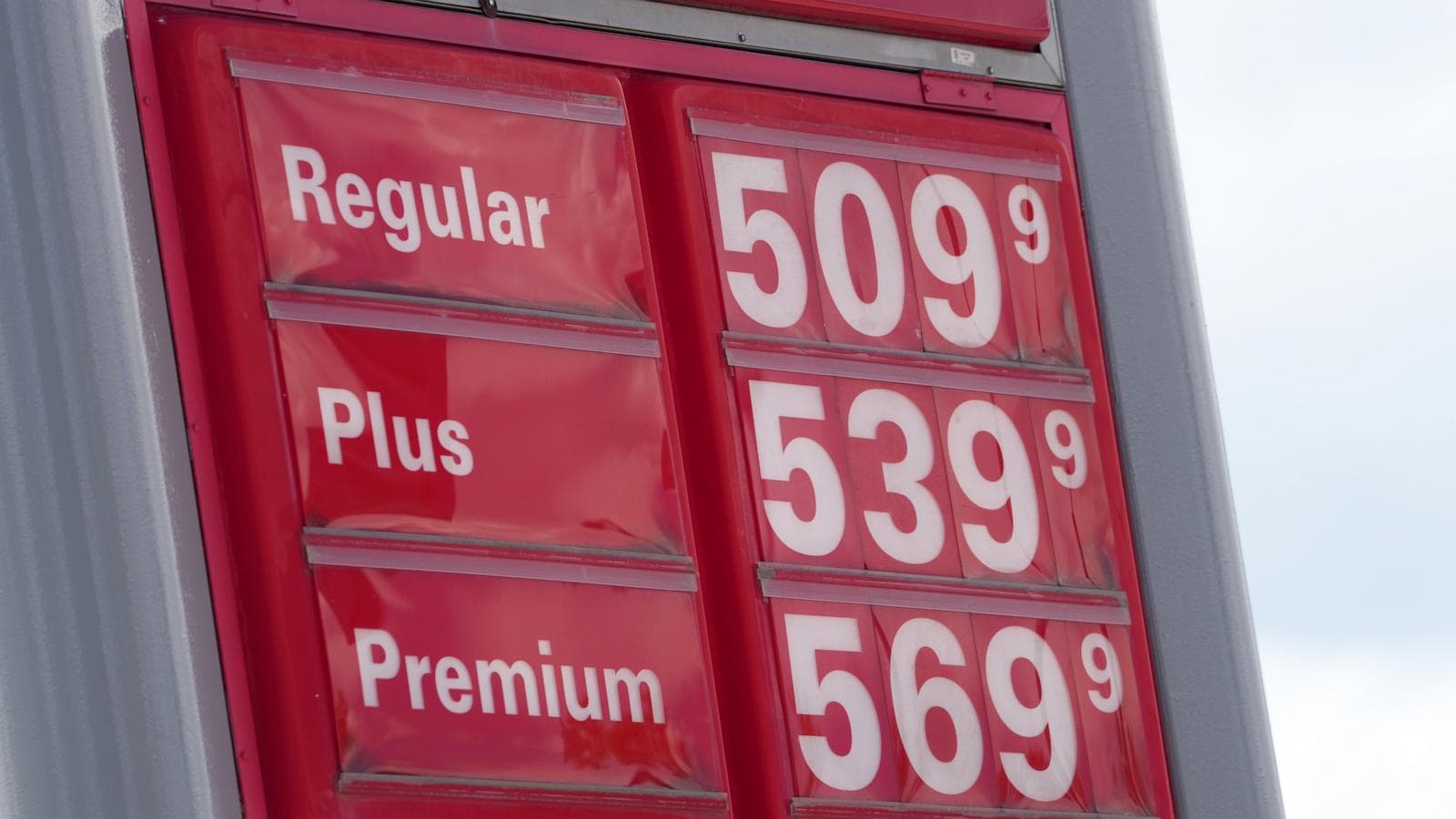
Gas prices have surged by 51% since February, contributing to the financial strain felt by consumers. Additionally, real wages experienced their first decrease in three years in April, further squeezing household budgets. As a result, consumers are reconsidering their spending on both essential items and luxuries.
The Context
The current economic landscape reveals a troubling juxtaposition between stock market performance and consumer sentiment. While the stock market reflects optimism, everyday Americans are grappling with rising costs that are impacting their financial decisions. The increase in gas prices and the decline in real wages are critical factors driving this cautious approach to spending.
As consumers face higher costs, their grocery trips are becoming smaller, and vacations are being postponed. This shift in behavior indicates a broader trend of financial conservatism among consumers, which could have significant implications for businesses and the overall economy. Understanding these dynamics is essential for stakeholders across various sectors.
Takeaway
Looking ahead, it will be crucial to monitor changes in consumer spending habits as inflation continues to impact household budgets. The potential for a prolonged period of reduced consumer spending could hinder economic recovery and growth. Policymakers may need to consider responses aimed at stabilizing consumer confidence and addressing the financial pressures faced by households.
As the situation evolves, businesses should prepare for shifts in consumer behavior and adapt their strategies accordingly. Keeping an eye on inflation trends and consumer sentiment will be vital for navigating the economic landscape in the coming months.
Corporate finance news, M&A, deals, and executive interviews.
"Finance Monthly serves a professional readership with corporate finance coverage."
— A47 Editor
Americans Are Starting to Pull Back Spending as Rising Costs Squeeze Confidence Across the Economy
A growing number of Americans are reducing their spending as rising costs and inflation squeeze their confidence in the economy, leading to smaller grocery trips, delayed vacations, and longer retention of vehicles. This trend is evident despite Wall...
Major U.S. developments and regional news.
"ABC News delivers broad national coverage with a mainstream editorial stance, focusing on accessibility and balanced reporting."
— A47 Editor
As US stock market hits new highs, 2 of 3 Americans are cutting back on spending, survey shows
U.S. consumer confidence has declined slightly this month, with a survey indicating that two-thirds of Americans are cutting back on spending, despite the stock market reaching new highs. High gas prices and persistent inflation are contributing fact...
Corporate leadership, finance, technology, and market trends.
"Fortune covers financial trends, leadership, and innovation with a pragmatic editorial approach."
— A47 Editor
Gas is up 51% since February. Americans just started buying less of everything else
Gas prices in the United States have surged by 51% since February, leading to a significant decline in consumer spending, with two-thirds of Americans reportedly pulling back on purchases. This marks the first time in three years that real wages have...