
European natural gas prices rise amid U.S.-Iran peace talks uncertainty
Here's what it means for you.
The rise in European natural gas prices signals a growing concern among traders regarding the stability of energy markets. As the U.S.-Iran peace talks unfold, the potential for disruptions in the Strait of Hormuz could have far-reaching implications for global energy supplies. Stakeholders in the energy sector should remain vigilant as these negotiations progress, as outcomes may directly influence pricing and market dynamics. The ongoing geopolitical tensions highlight the interconnectedness of international relations and energy markets. A successful resolution could stabilize prices, while continued uncertainty may lead to further volatility.
What happened
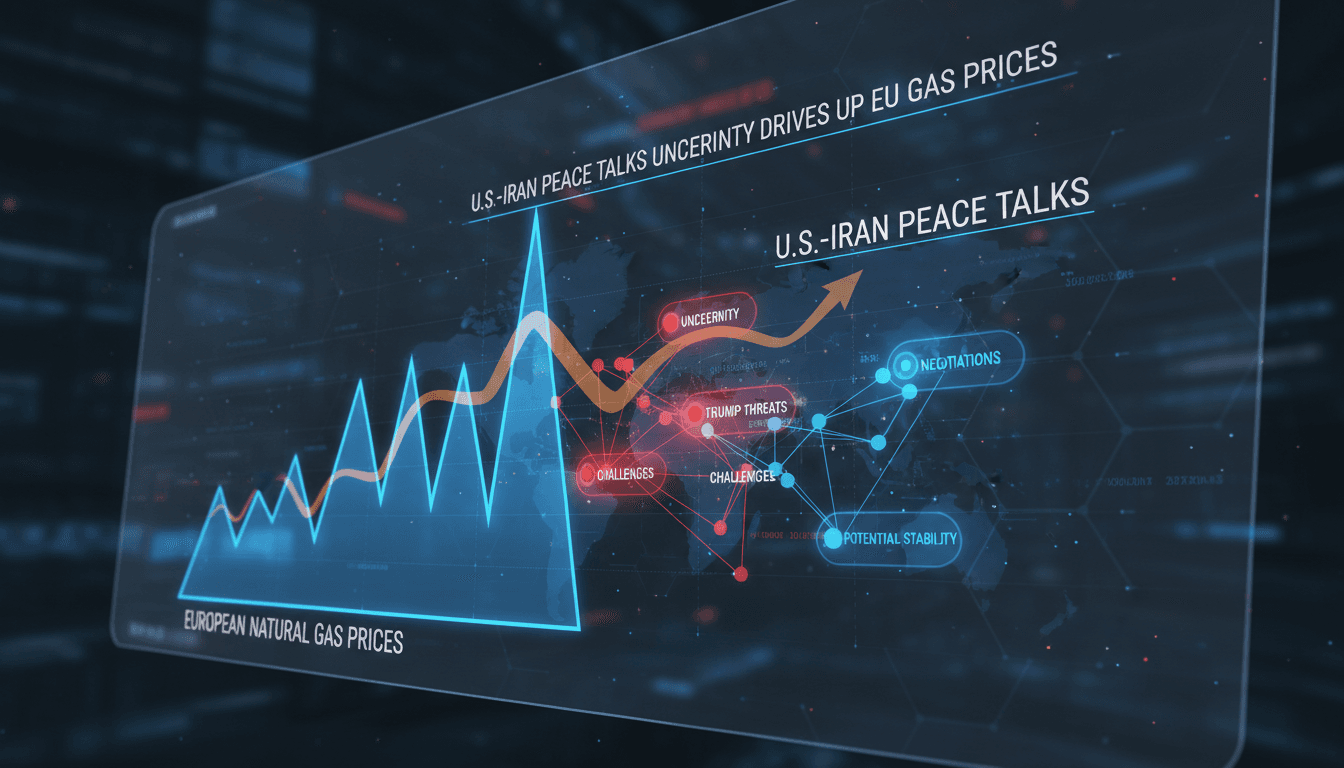
European natural gas prices have edged higher as traders respond to the ongoing U.S.-Iran peace talks. These negotiations have faced challenges, including new threats from President Trump, which have contributed to market unease. The situation is particularly sensitive due to the implications for the Strait of Hormuz, a critical transit route for global oil and gas supplies.
As discussions continue, market sentiment remains cautiously optimistic, despite the rocky start to the negotiations. The fluctuations in gas prices reflect traders' concerns about the potential outcomes of these talks and their impact on energy supply stability.
The Context
The U.S. and Iran are currently engaged in discussions aimed at reaching a peace deal, which is crucial for regional stability. The Strait of Hormuz is a vital chokepoint for approximately 20% of the world's oil supply, making its security essential for global energy markets. Any disruptions in this area could lead to significant price increases and supply shortages.
The timing of these negotiations is critical, as the energy market is already sensitive to geopolitical developments. Stakeholders, including governments and energy companies, are closely monitoring the situation, as the outcome could reshape market dynamics in the coming weeks.
Takeaway
The ongoing U.S.-Iran negotiations will be pivotal in shaping energy market trends. Traders are advised to keep a close watch on further developments, as any changes in military or economic tensions in the region could influence pricing. The potential for continued volatility remains high, as the market assesses the implications of the talks.
In the coming weeks, the energy sector will need to navigate the uncertainties stemming from these discussions. The outcome could either stabilize or further disrupt the market, making it essential for stakeholders to stay informed.
Oil, metals, and agriculture: supply/demand headlines, OPEC chatter, inventories, and price action.
"Solid tape for energy and metals traders tracking macro and micro catalysts."
— A47 Editor
European natural gas edges up as as traders weigh Hormuz transit, U.S.-Iran talks
European natural gas prices have edged up as traders assess the implications of ongoing U.S.-Iran negotiations and the strategic transit through the Strait of Hormuz. This comes amid a backdrop of fluctuating oil prices and geopolitical tensions in t...
UAE-based English-language newspaper covering regional politics, economics, and global affairs.
"The National reflects Emirati policy perspectives while maintaining international editorial standards."
— A47 Editor
Manus on Markets: Iran talks hopeful but Hormuz uncertain
Recent peace talks in Switzerland involving U.S. officials and Iranian representatives have raised hopes for a resolution to ongoing tensions in the Middle East, particularly concerning the strategic Strait of Hormuz, which Iran recently closed.
Global markets, investing, and macroeconomics from a premier financial newsroom.
"Bloomberg is respected for in-depth financial reporting and data-driven analysis."
— A47 Editor
European Gas Edges Higher After Rocky Start to Iran Peace Talks
European natural gas prices have edged higher following a rocky start to peace talks between the US and Iran, where President Donald Trump issued new threats despite ongoing discussions. This development reflects the volatility in energy markets as g...