
Google Earth disables AI deepfake map feature after disinformation concerns
What happened
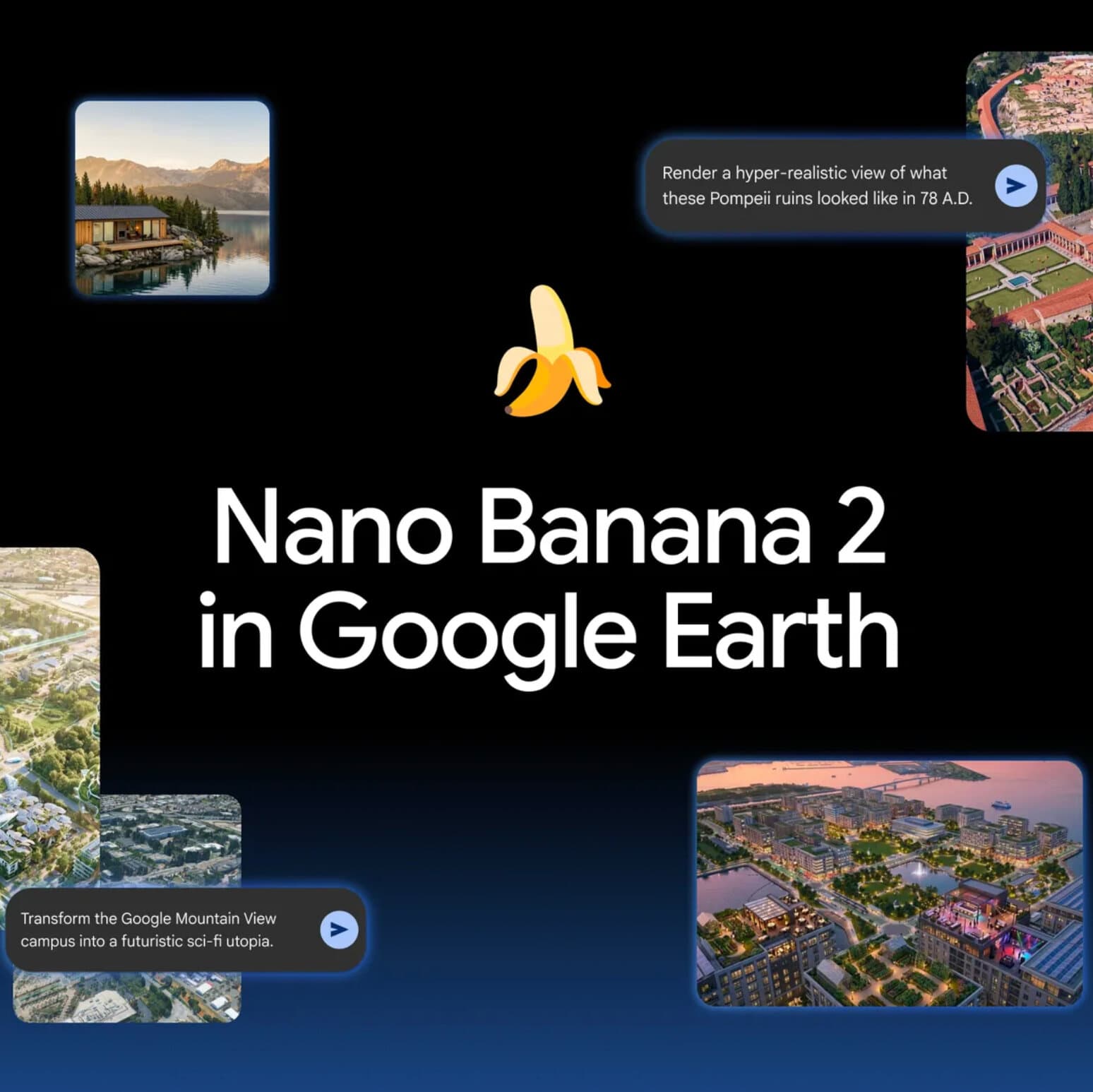
Google Earth has disabled its AI image generator tool, Nano Banana, just one day after its launch due to concerns over disinformation. The feature allowed users to overlay AI-generated images on real-world locations, but it quickly faced backlash as users created misleading content. The immediate response from the community highlighted the absence of safeguards to prevent the generation of harmful images.
On August 2, 2026, Google Earth introduced the tool with the intention of enhancing user engagement. However, by August 3, 2026, the company announced the feature's removal, reflecting the urgency of addressing the risks associated with disinformation. This rapid retraction underscores the challenges tech companies face in managing the ethical implications of their innovations.
The Context
The launch of Nano Banana was part of Google Earth's ongoing efforts to innovate and engage users through advanced technology. However, the lack of protective measures against misleading content raised significant ethical concerns. As AI tools become more prevalent, the potential for misuse becomes a pressing issue for both developers and users alike.
This incident not only affects Google but also sets a precedent for the tech industry as a whole. Companies must now consider the implications of their AI-driven tools and the responsibilities that come with them. The timing of this retraction is critical, as it coincides with growing public awareness and concern over disinformation in digital spaces.
Takeaway
Looking ahead, it will be essential to monitor Google's future AI initiatives for improved safeguards against misuse. The tech industry is likely to engage in broader discussions about AI ethics and the responsibilities of companies in preventing disinformation. This incident serves as a cautionary tale, emphasizing the need for robust frameworks to ensure that technological advancements do not compromise public trust.
As AI technology continues to evolve, companies must strike a balance between innovation and ethical responsibility. The lessons learned from this situation will likely influence future developments in AI and user engagement strategies.
News and features on AI from The Guardian.
"Progressive-leaning international outlet with critical AI coverage."
— A47 Editor
Google Earth’s potential disinformation nightmare
A new feature on Google Earth briefly allowed users to overlay AI-generated images on selected locations, raising concerns about potential disinformation. This development was highlighted in the TechScape newsletter, which discusses the implications ...
Top international stories selected by The Guardian editors.
"The Guardian is known for its progressive editorial stance and in-depth analysis."
— A47 Editor
Google Earth’s potential disinformation nightmare
A new feature on Google Earth briefly allowed users to overlay AI-generated images on selected locations, raising concerns about potential disinformation. This development was highlighted in the TechScape newsletter, which discusses the implications ...
Tech industry coverage with AI angles.
"Mainstream tech news intersecting with AI policy and culture."
— A47 Editor
Google Earth Disables A.I. Tool After One Day Over Disinformation Concerns
Google Earth has disabled its new A.I. tool, Nano Banana 2, just one day after its launch due to concerns over disinformation and the absence of safeguards against harmful content. Users raised alarms about the potential misuse of the tool for creati...
Markets, economy, and company analysis from NYT’s business desk.
"The New York Times is a globally recognized newspaper offering authoritative reporting with a center-left editorial stance."
— A47 Editor
Google Earth Disables A.I. Tool After One Day Over Disinformation Concerns
Google Earth has disabled its new A.I. tool, Nano Banana 2, just one day after its launch due to concerns over disinformation and the absence of safeguards against harmful content. Users raised alarms about the potential misuse of the tool for creati...
Tech policy, trends, and innovation news.
"The New York Times is a globally recognized newspaper offering authoritative reporting with a center-left editorial stance."
— A47 Editor
Google Earth Disables A.I. Tool After One Day Over Disinformation Concerns
Google Earth has disabled its new A.I. tool, Nano Banana 2, just one day after its launch due to concerns over disinformation and the absence of safeguards against harmful content. Users raised alarms about the potential misuse of the tool for creati...
Photography news including AI tools and ethics.
"Covers AI’s impact on imaging and creative workflows."
— A47 Editor
Google Earth Pulls AI Image Generator After Users Created Misleading Images
Google Earth has retracted its newly launched AI image generation tool, Nano Banana, less than 24 hours after its introduction due to user-generated deepfakes that depicted disasters and terror attacks. The feature was intended to enhance user intera...