
Trump Administration Updates National Space Transportation Policy to Target 1,000 Annual Launches by 2030
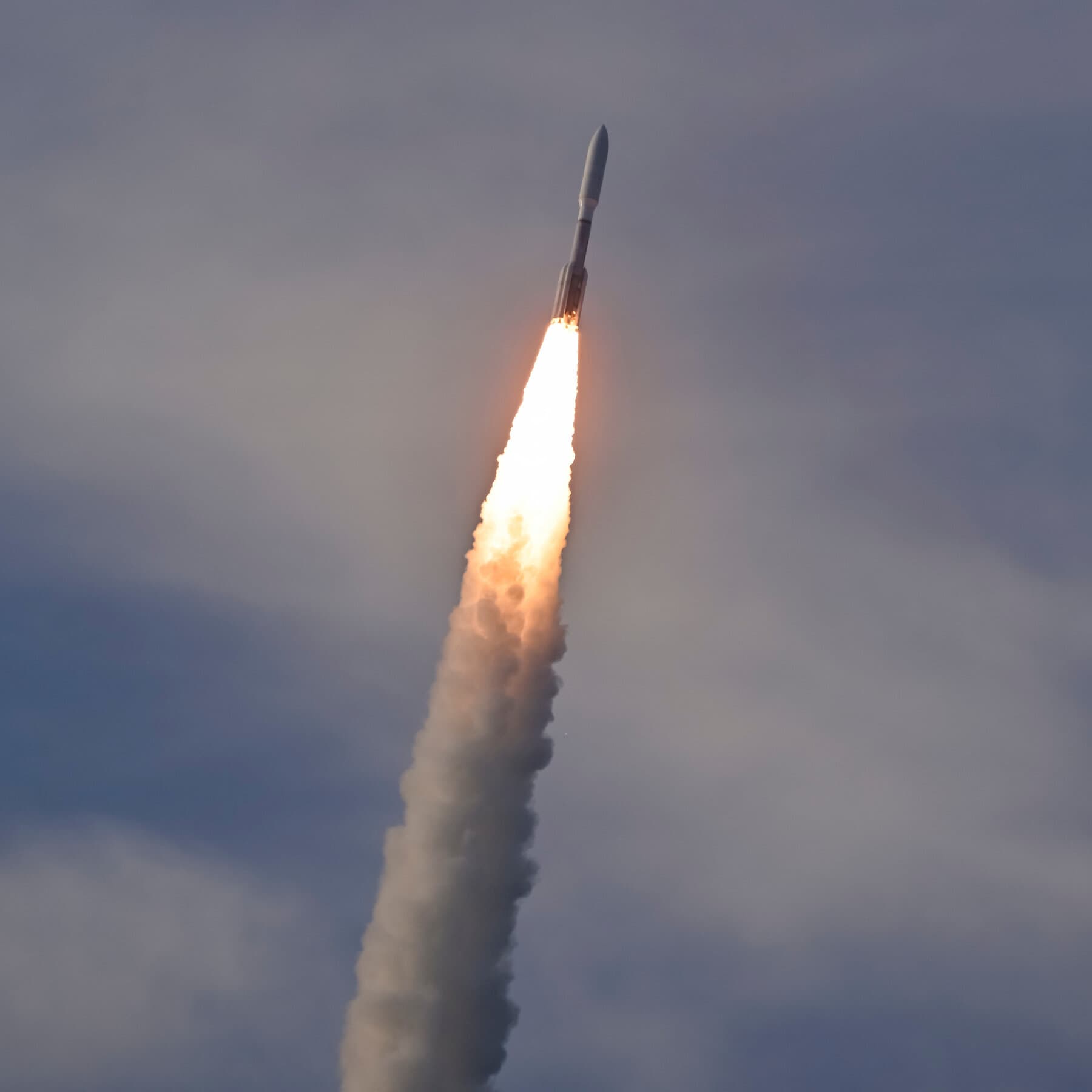
Here's what it means for you.
If you're involved in the aerospace sector or have investments in commercial space ventures, this policy could significantly impact your opportunities.
Why it matters
The updated policy aims to position the U.S. as a leader in the rapidly growing commercial space industry, influencing global market dynamics.
What happened (in 30 seconds)
- On August 20, 2026, President Trump signed a National Security Presidential Memorandum updating the National Space Transportation Policy.
- The policy targets over 1,000 rocket launches and spacecraft re-entries annually by 2030, emphasizing commercial partnerships and infrastructure expansion.
- Federal agencies are directed to implement changes, including expedited permitting and the identification of new launch sites.
The context you actually need
- The U.S. first issued a National Space Transportation Policy in 1994, with the last update in 2013, reflecting the evolving landscape of space exploration.
- In 2025, U.S. orbital launch attempts reached 176, a tenfold increase from 2013, driven largely by commercial operators like SpaceX.
- Geopolitical competition and advancements in private-sector capabilities necessitated this policy update to ensure U.S. leadership in space.
What's really happening
The updated National Space Transportation Policy, signed by President Trump, marks a significant shift in the U.S. approach to space transportation. By setting a target of over 1,000 launches and re-entries annually by 2030, the policy aims to enhance the U.S. position in the global space race, particularly against emerging competitors. This ambitious goal is underpinned by a clear directive to federal agencies to streamline regulatory processes, incentivize private-sector partnerships, and expand infrastructure.
The policy emphasizes an "America First" approach, which prioritizes domestic capabilities and commercial partnerships. This is crucial as the commercial space sector has seen exponential growth, with private companies increasingly taking the lead in launch capabilities. The memorandum directs agencies to expedite environmental reviews and permitting processes, which have historically been bottlenecks for new launch sites. By identifying additional federal sites for launches and re-entries, the policy aims to create a more robust infrastructure that can support the anticipated increase in launch frequency.
Moreover, the integration of space activities into air traffic control modernization reflects a forward-thinking approach to managing the complexities of increased space traffic. This is particularly important as the lines between commercial and governmental space activities continue to blur. The policy also emphasizes spectrum access and commercial-first procurement, which are critical for ensuring that U.S. companies can compete effectively in the global market.
The implications of this policy extend beyond mere numbers; they signal a commitment to maintaining U.S. leadership in space exploration and commercial activities. The focus on lunar logistics and Mars architectures aligns with broader national goals of returning to the Moon and eventually exploring Mars, thereby fostering a new era of space exploration that could have profound implications for science, technology, and international relations.
Who feels it first (and how)
- Aerospace companies: Increased opportunities for contracts and partnerships with the government.
- Investors in commercial space ventures: Potential for higher returns as launch frequency increases.
- Federal agencies: New directives and responsibilities to implement the policy changes.
- Local economies: Areas near new launch sites may see economic boosts from increased activity.
What to watch next
- Implementation timelines: Monitor how quickly federal agencies meet the 90-day deadline for identifying new reentry sites, as this will indicate the policy's momentum.
- Commercial partnerships: Watch for announcements of new collaborations between government and private companies, which could signal shifts in market dynamics.
- Launch frequency: Track the number of launches and re-entries over the next few years to assess progress toward the 1,000 annual target.
The policy aims for over 1,000 launches and re-entries annually by 2030.
Increased collaboration between government and commercial space entities.
The exact impact on international competition and how other countries will respond to U.S. policy changes.
Frequently Asked Questions
- Why it matters?
- The updated policy aims to position the U.S. as a leader in the rapidly growing commercial space industry, influencing global market dynamics.
- What happened (in 30 seconds)?
- On August 20, 2026, President Trump signed a National Security Presidential Memorandum updating the National Space Transportation Policy. The policy targets over 1,000 rocket launches and spacecraft re-entries annually by 2030, emphasizing commercial partnerships and infrastructure expansion. Federal agencies are directed to implement changes, including expedited permitting and the identification of new launch sites.
- What's really happening?
- The updated National Space Transportation Policy, signed by President Trump, marks a significant shift in the U.S. approach to space transportation. By setting a target of over 1,000 launches and re-entries annually by 2030, the policy aims to enhance the U.S. position in the global space race, particularly against emerging competitors. This ambitious goal is underpinned by a clear directive to federal agencies to streamline regulatory processes, incentivize private-sector partnerships, and expa
- Who feels it first (and how)?
- Aerospace companies: Increased opportunities for contracts and partnerships with the government. Investors in commercial space ventures: Potential for higher returns as launch frequency increases. Federal agencies: New directives and responsibilities to implement the policy changes. Local economies: Areas near new launch sites may see economic boosts from increased activity.
- What to watch next?
- Implementation timelines: Monitor how quickly federal agencies meet the 90-day deadline for identifying new reentry sites, as this will indicate the policy's momentum. Commercial partnerships: Watch for announcements of new collaborations between government and private companies, which could signal shifts in market dynamics. Launch frequency: Track the number of launches and re-entries over the next few years to assess progress toward the 1,000 annual target.
Space science news, astronomy updates, and spaceflight developments.
"Space.com delivers space science news, astronomy updates, and spaceflight developments with engaging coverage."
— A47 Editor
Trump signs new national space policy to enable 1,000 US rocket launches per year
President Trump has signed a new national space policy aimed at enabling the United States to conduct over 1,000 rocket launches annually by 2030, reflecting a significant shift in the country's approach to spaceflight management and reentries.
U.S. political news and right-leaning commentary.
"Fox News is a highly influential conservative news outlet known for right-leaning political commentary and coverage."
— A47 Editor
Trump to transform spaceflight from spectacle to status quo targeting 3 launches per day
President Trump has announced a transformative space policy aiming for over 1,000 annual U.S. space launches by 2030, with a target of achieving three launches per day. This initiative includes plans to reshape launch pads, airspace corridors, and ai...
Right-of-center views on political news.
"The Washington Times is a conservative-leaning newspaper known for its political coverage and advocacy of right-of-center viewpoints."
— A47 Editor
Trump orders 1,000 annual U.S. space launches by 2030, targets moon landing by 2028
President Trump has set an ambitious goal to achieve over 1,000 annual U.S. space launches by 2030, with a specific target of returning Americans to the moon by 2028 and sending robotic missions to Mars. This initiative emphasizes the role of commerc...
Scientific research, space, environment, and health coverage.
"The New York Times is a globally recognized newspaper offering authoritative reporting with a center-left editorial stance."
— A47 Editor
Trump Announces a New Policy for a ‘Golden Age of Space Transportation’
The Trump administration has announced a new policy aimed at ushering in a ‘Golden Age of Space Transportation,’ with a goal to significantly increase the number of rocket launches and spacecraft re-entries to 1,000 per year. This initiative reflects...
Macro commentary, policy analysis, growth/inflation themes, and global outlooks.
"Contextual macro coverage that complements day-to-day market headlines."
— A47 Editor
White House sets goal of 1,000 annual space launches by 2030
The White House has announced an ambitious goal to achieve 1,000 annual space launches by the year 2030, reflecting a significant commitment to expanding the United States' presence in space exploration and commercial activities.