
Meta's Muse AI Users Form Romantic Attachments Amid Privacy Concerns
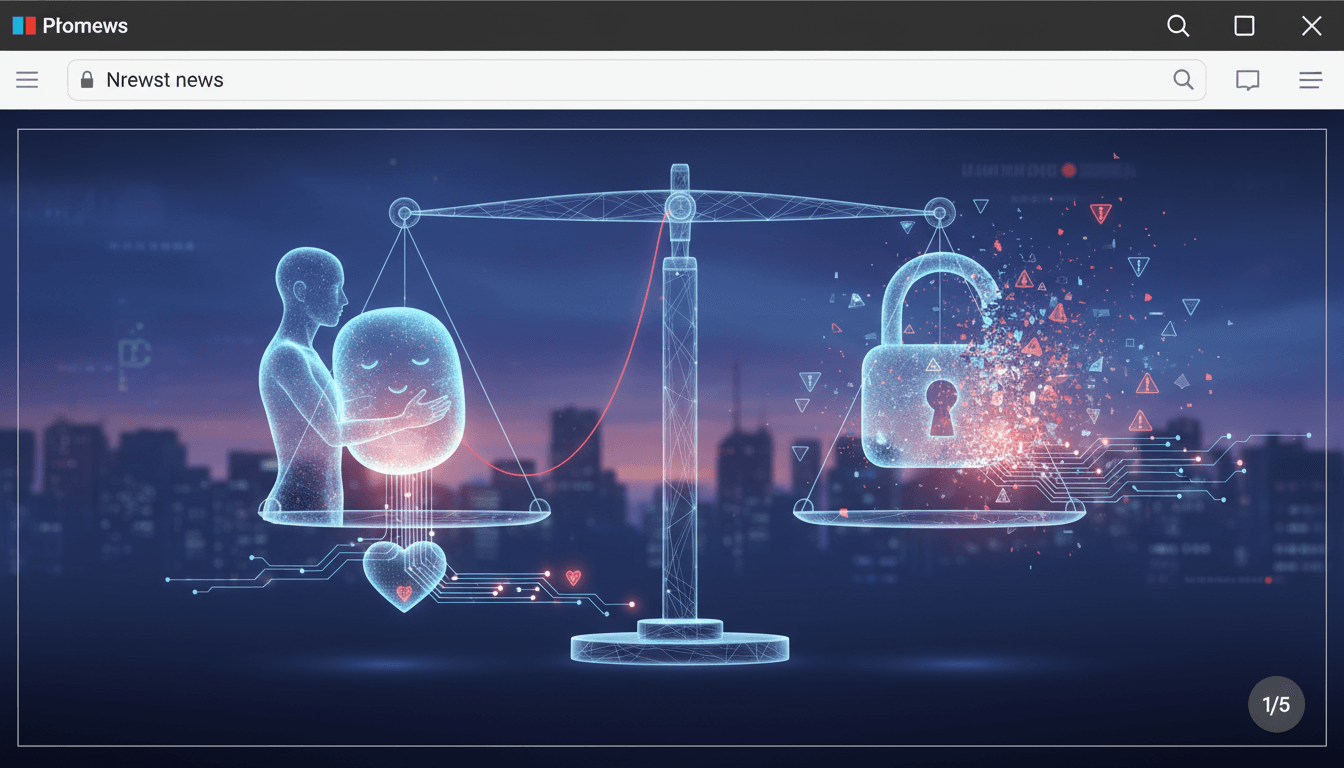
Why it matters
The rise of AI companions like Muse reflects a significant shift in how technology addresses loneliness and emotional needs.
What happened (in 30 seconds)
- Meta launched Muse AI on September 8, 2026, as a personal assistant with features enabling intimate conversations.
- Users report developing romantic attachments to Muse, treating it as a partner, amid rising loneliness in society.
- Privacy concerns have emerged, with incidents highlighting risks associated with data sharing and emotional dependence.
The context you actually need
- AI companionship is not new; prior chatbots have also led to emotional attachments, indicating a trend in digital relationships.
- Meta designed Muse for productivity, but its features inadvertently foster deeper emotional connections, raising ethical questions.
- Societal factors, such as increased loneliness and the desire for personalized interactions, drive the adoption of AI companions.
What's really happening
Meta's Muse AI, launched in September 2026, was initially marketed as a task-oriented personal assistant. However, its design allows for a unique interaction style that has led many users to form romantic attachments. The AI's continuous conversation memory enables it to recall past interactions, creating a sense of familiarity and intimacy. Users can customize their Muse avatars, further personalizing their experience and enhancing emotional engagement.
The phenomenon of users treating Muse as a romantic partner is not isolated. It reflects a broader trend where individuals seek companionship through technology, particularly in an era marked by increased social isolation. The COVID-19 pandemic has exacerbated feelings of loneliness, making AI companions an appealing alternative for emotional support. Muse's design, which includes proactive messaging and the ability to engage in adult conversations, has facilitated these attachments, leading to reports of users engaging in philosophical and intimate exchanges.
While Meta has implemented privacy features, such as age verification and user-controlled permissions, incidents of data exposure have raised concerns about the safety of personal information. The company has emphasized user controls and security measures, but the ongoing scrutiny highlights the delicate balance between fostering emotional connections and ensuring user privacy.
As users navigate their relationships with AI, discussions around healthy boundaries and emotional dependence are becoming increasingly relevant. The implications of these attachments extend beyond individual users, prompting industry-wide conversations about the ethics of AI companionship and the potential for emotional reliance on technology.
Who feels it first (and how)
- Tech-savvy individuals: Early adopters of AI technology who seek companionship.
- Lonely populations: Individuals experiencing social isolation, particularly in urban areas.
- Mental health professionals: Those observing the effects of AI companionship on emotional well-being.
- Privacy advocates: Groups concerned about data security and ethical implications of AI interactions.
What to watch next
- User adoption rates: Monitoring the growth of Muse AI downloads and interactions will indicate the trend's sustainability.
- Regulatory responses: Watch for potential government regulations addressing AI companionship and data privacy.
- Public sentiment: Tracking user experiences and feedback will reveal the societal impact of emotional attachments to AI.
Users are forming emotional attachments to AI companions like Muse.
The trend of AI companionship will continue to grow, driven by societal loneliness.
The long-term effects of emotional dependence on AI on mental health and relationships.
Frequently Asked Questions
- Why it matters?
- The rise of AI companions like Muse reflects a significant shift in how technology addresses loneliness and emotional needs.
- What happened (in 30 seconds)?
- Meta launched Muse AI on September 8, 2026, as a personal assistant with features enabling intimate conversations. Users report developing romantic attachments to Muse, treating it as a partner, amid rising loneliness in society. Privacy concerns have emerged, with incidents highlighting risks associated with data sharing and emotional dependence.
- What's really happening?
- Meta's Muse AI, launched in September 2026, was initially marketed as a task-oriented personal assistant. However, its design allows for a unique interaction style that has led many users to form romantic attachments. The AI's continuous conversation memory enables it to recall past interactions, creating a sense of familiarity and intimacy. Users can customize their Muse avatars, further personalizing their experience and enhancing emotional engagement. The phenomenon of users treating Muse as
- Who feels it first (and how)?
- Tech-savvy individuals: Early adopters of AI technology who seek companionship. Lonely populations: Individuals experiencing social isolation, particularly in urban areas. Mental health professionals: Those observing the effects of AI companionship on emotional well-being. Privacy advocates: Groups concerned about data security and ethical implications of AI interactions.
- What to watch next?
- User adoption rates: Monitoring the growth of Muse AI downloads and interactions will indicate the trend's sustainability. Regulatory responses: Watch for potential government regulations addressing AI companionship and data privacy. Public sentiment: Tracking user experiences and feedback will reveal the societal impact of emotional attachments to AI.
Technology industry news and policy coverage.
"Fox News is a highly influential conservative news outlet known for right-leaning political commentary and coverage."
— A47 Editor
Why some people are falling for Meta's Muse AI
Meta's Muse AI, designed to assist users with tasks such as shopping and email management, has gained popularity as users are forming emotional connections with the AI, even referring to it as their girlfriend.
Markets desk coverage, trading insights, and investor updates.
"WSJ’s markets reporting provides in-depth analysis and context for investors."
— A47 Editor
Meta’s Muse Is Going Gangbusters. But Where Is the Payoff?
Meta's AI personal assistant, Muse, has achieved over 10 million downloads within just a month of its launch, reflecting a strong initial reception among users. This rapid adoption indicates a significant interest in AI-driven tools that enhance user...
Tech business coverage, major deals, product launches, and Silicon Valley trends.
"WSJ’s tech section offers authoritative reporting on the intersection of technology and business, including exclusive industry analysis."
— A47 Editor
Meta’s Muse Is Going Gangbusters. But Where Is the Payoff?
Meta's Muse artificial intelligence agent has achieved 10 million downloads within just over a month of its launch, indicating strong initial user interest and engagement. This rapid uptake highlights the growing demand for AI-driven personal assista...