
NASA Swift Observatory Completes Uncontrolled Reentry Over Sumatra With No Reported Ground Damage
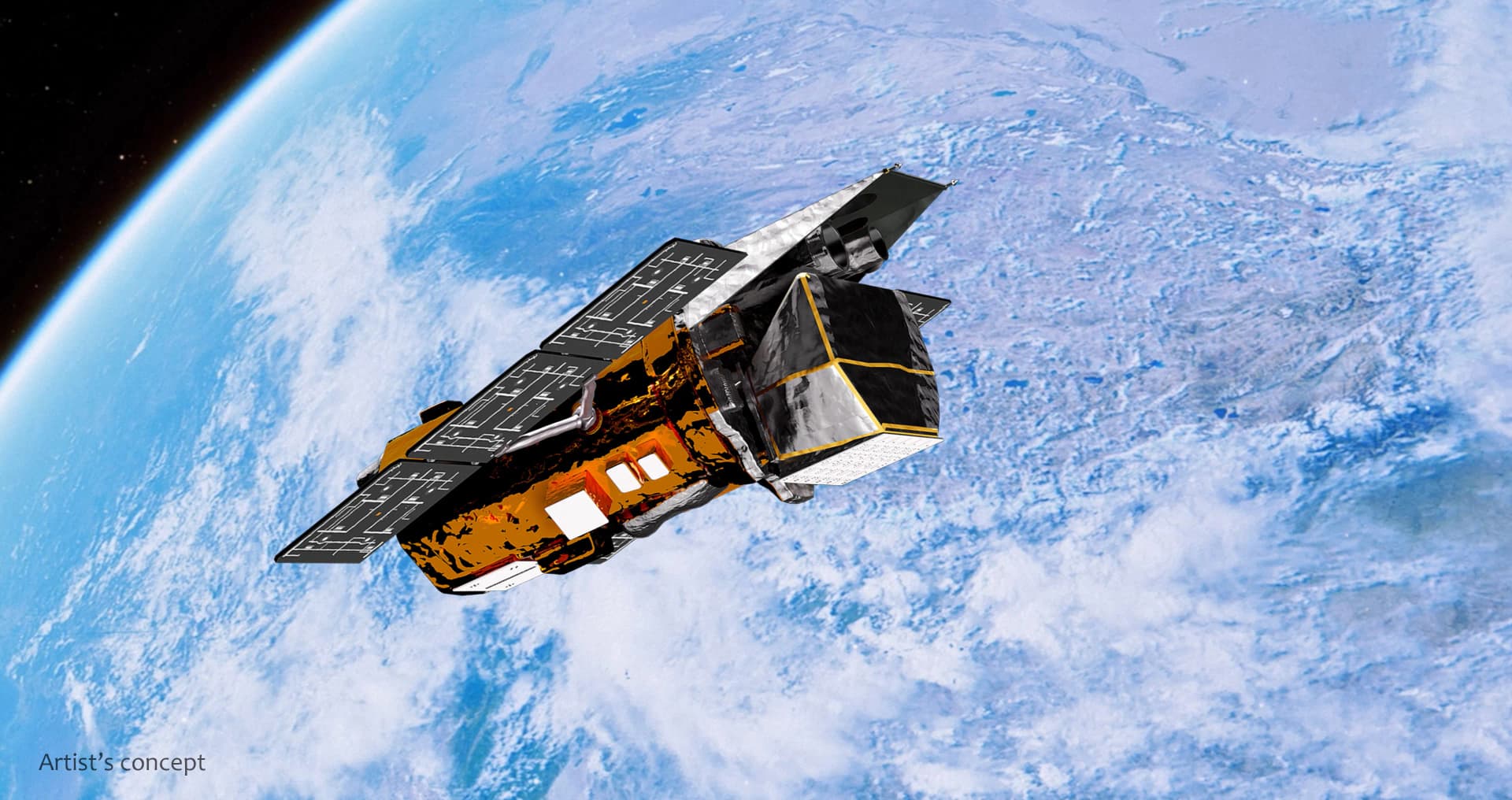
What happened
NASA’s 3,200-pound Neil Gehrels Swift Observatory completed an uncontrolled atmospheric reentry over North Sumatra, Indonesia, on November 4, 2026, after 22 years in orbit.
The Context
- Solar drag cut operations short: Elevated solar activity in 2024 expanded Earth’s upper atmosphere, accelerating the orbital decay of the propulsion-free observatory until final science operations ended on October 20, 2026.
- A robotic rescue failed: A July 2026 rendezvous attempt by the commercial LINK spacecraft could not boost the satellite’s altitude due to attitude control system failures.
- Atmospheric burn minimized ground threat: U.S. Space Force tracking confirmed the 1,450-kilogram spacecraft entered the atmosphere at 7:39 a.m. EST, with nearly all components incinerating prior to reaching the surface.
The Number
— the estimated statistical probability that surviving debris from the spacecraft would injure any individual on Earth, underscoring the baseline risks operators navigate when retiring legacy satellites that lack onboard propulsion systems.
Takeaway
Expect regulatory scrutiny and commercial capital to shift toward mandatory controlled-deorbit systems and automated orbital debris removal technologies.
Scientific research, space, environment, and health coverage.
"The New York Times is a globally recognized newspaper offering authoritative reporting with a center-left editorial stance."
— A47 Editor
A NASA Telescope Has Crashed Back to Earth
The NASA Neil Gehrels Swift Observatory, a roughly 1.5-ton space telescope launched in 2004 to study cosmic explosions such as gamma-ray bursts, has re-entered Earth's atmosphere after the agency ended its mission following a failed private rescue at...
Scientific discoveries, health, technology, and natural phenomena.
"Live Science reports on scientific discoveries, health, technology, and natural phenomena with a popular science tone."
— A47 Editor
A 3,200-pound NASA spacecraft could fall to Earth any minute now
NASA's decommissioned Neil Gehrels Swift Observatory, a roughly 1.5-ton space telescope launched in 2004 to study cosmic explosions such as gamma-ray bursts, is about to make an uncontrolled fiery reentry through Earth's atmosphere after a private re...
Photography news including AI tools and ethics.
"Covers AI’s impact on imaging and creative workflows."
— A47 Editor
A 3,200-Pound NASA Observatory Is Crashing Down to Earth
NASA's Neil Gehrels Swift Observatory, a roughly 3,200-pound telescope launched in 2004, is expected to re-enter Earth's atmosphere on November 4. Most of the spacecraft is expected to burn up during descent, though NASA says some components may surv...
Consumer technology news with AI coverage.
"Gadget and tech site reporting on AI in products."
— A47 Editor
NASA's Swift observatory is expected to return to Earth on November 4
NASA's Swift observatory, a roughly 3,200-pound space telescope, is expected to re-enter Earth's atmosphere in the early hours of November 4, according to the US Armed Forces. Most of the spacecraft is expected to burn up during descent, while some f...
Covers consumer technology, electronics, gadgets, and product reviews.
"Engadget is a trusted source for gadget reviews and consumer tech news, known for its hands-on analysis and industry coverage."
— A47 Editor
NASA's Swift observatory is expected to return to Earth on November 4
NASA's Swift observatory, a roughly 3,200-pound space telescope, is expected to re-enter Earth's atmosphere in the early hours of November 4, according to the US Armed Forces. Most of the spacecraft is expected to burn up during descent, while some f...
Emerging technologies, digital transformation, IT, and cultural impact of tech.
"WIRED covers the intersection of technology, culture, and politics with a progressive, forward-looking editorial stance."
— A47 Editor
NASA’s Swift Observatory Is Falling to Earth. Here’s What to Know About the Impending Impact
NASA's Swift Observatory, a roughly 3,200-pound satellite, is expected to reenter Earth's atmosphere later this week, with a wide reentry zone covering parts of Africa, Australia, Southeast Asia, and South America. The base report by WIRED explains w...