
US inflation rises to 3.3% amid Iran War energy price shock
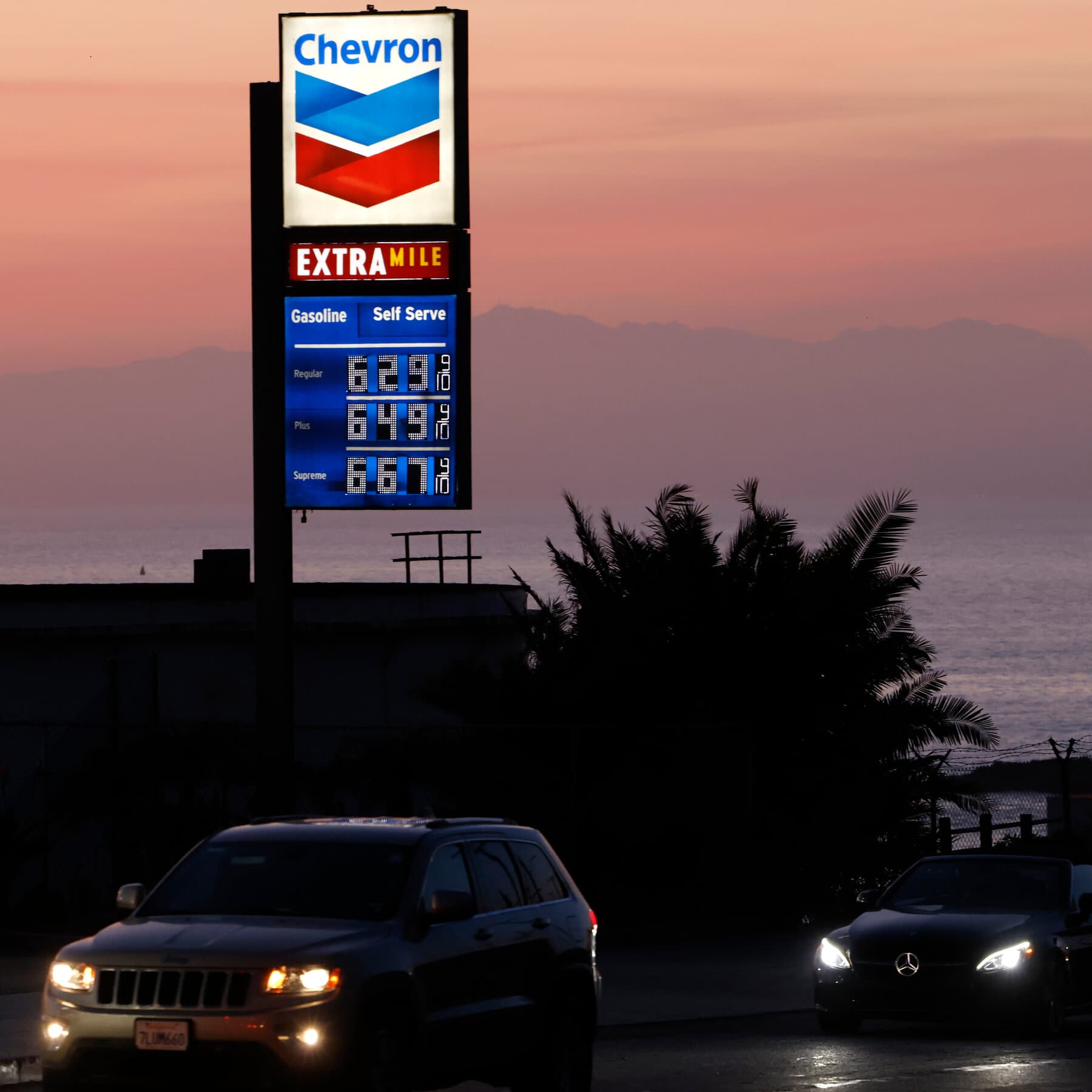
Here's what it means for you.
Rising energy costs could impact your daily expenses and investment strategies.
Why it matters
The surge in U.S. inflation is a direct consequence of geopolitical tensions, affecting consumer purchasing power and market stability.
What happened (in 30 seconds)
- U.S. inflation hit 3.3% annually in March 2026, driven by a significant rise in energy prices due to the Iran War.
- Gasoline prices surged 21.2%, marking the largest monthly increase since 1967, as the conflict disrupted oil supplies.
- The Federal Reserve is cautious, holding interest rates steady while monitoring the economic fallout from the war.
The context you actually need
- The Iran War began on February 28, 2026, with U.S.-Israeli airstrikes targeting Iran, leading to the closure of the Strait of Hormuz.
- Over 20% of global oil transit was disrupted, causing crude oil prices to exceed $100 per barrel and impacting energy costs worldwide.
- Prior to the conflict, U.S. inflation was decelerating, recorded at 2.4% in February 2026, setting the stage for the March spike in consumer prices.
What's really happening
The escalation of the Iran War has created a complex web of economic consequences, primarily through its impact on global oil supplies. The initial airstrikes by U.S. and Israeli forces on February 28, 2026, targeted key Iranian military assets, including missile sites and air defenses. This aggressive military action prompted Iran to retaliate by closing the Strait of Hormuz, a critical chokepoint for oil transit, effectively halting the flow of over 20% of the world's oil supply. As a result, crude oil prices surged, crossing the $100 per barrel threshold, which directly influenced domestic energy prices in the U.S.
The Bureau of Labor Statistics reported a staggering 10.9% increase in the energy index for March 2026, with gasoline prices alone jumping 21.2%. This marked the largest monthly increase in gasoline prices since the series began in 1967, embedding higher energy costs into the broader Consumer Price Index (CPI). The CPI for All Urban Consumers increased by 0.9% month-over-month, the largest gain since September 2005. This inflationary pressure is particularly concerning as it follows a period of declining inflation rates, which had reached 2.4% year-over-year in February 2026.
The Federal Reserve has responded with caution, maintaining interest rates between 3.5% and 3.75% as they assess the ongoing impacts of the war on the economy. Consumer sentiment has plummeted to a record low of 47.6 in April, indicating growing concerns among Americans about rising costs and economic stability. Economists warn that the lagged effects of higher energy prices could lead to further increases in food prices, compounding the inflationary pressures already being felt.
As the situation evolves, the fragile ceasefire between the U.S. and Iran remains precarious, with the Strait of Hormuz still partially closed. This ongoing geopolitical tension will likely continue to influence energy prices and, by extension, inflation rates in the U.S. and globally.
Who feels it first (and how)
- Consumers: Higher gasoline and energy costs directly affect household budgets, leading to increased spending on transportation and utilities.
- Businesses: Companies reliant on energy-intensive operations may face rising operational costs, impacting profitability and pricing strategies.
- Investors: Market volatility in response to inflation data and geopolitical developments could affect investment portfolios, particularly in energy and consumer sectors.
What to watch next
- Energy prices: Continued fluctuations in oil prices will indicate the ongoing impact of the Iran War and its effects on inflation.
- Federal Reserve decisions: Watch for any changes in interest rates or monetary policy as the Fed responds to inflationary pressures and economic signals.
- Consumer sentiment: Tracking consumer confidence levels will provide insights into how rising prices are affecting spending behavior and economic recovery.
U.S. inflation surged to 3.3% in March 2026 due to rising energy prices.
Continued geopolitical tensions will keep energy prices elevated, impacting inflation further.
The long-term effects of the Iran War on global oil markets and U.S. economic stability remain uncertain.
Frequently Asked Questions
- Why it matters?
- The surge in U.S. inflation is a direct consequence of geopolitical tensions, affecting consumer purchasing power and market stability.
- What happened (in 30 seconds)?
- U.S. inflation hit 3.3% annually in March 2026, driven by a significant rise in energy prices due to the Iran War. Gasoline prices surged 21.2%, marking the largest monthly increase since 1967, as the conflict disrupted oil supplies. The Federal Reserve is cautious, holding interest rates steady while monitoring the economic fallout from the war.
- What's really happening?
- The escalation of the Iran War has created a complex web of economic consequences, primarily through its impact on global oil supplies. The initial airstrikes by U.S. and Israeli forces on February 28, 2026, targeted key Iranian military assets, including missile sites and air defenses. This aggressive military action prompted Iran to retaliate by closing the Strait of Hormuz, a critical chokepoint for oil transit, effectively halting the flow of over 20% of the world's oil supply. As a result,
- Who feels it first (and how)?
- Consumers: Higher gasoline and energy costs directly affect household budgets, leading to increased spending on transportation and utilities. Businesses: Companies reliant on energy-intensive operations may face rising operational costs, impacting profitability and pricing strategies. Investors: Market volatility in response to inflation data and geopolitical developments could affect investment portfolios, particularly in energy and consumer sectors.
- What to watch next?
- Energy prices: Continued fluctuations in oil prices will indicate the ongoing impact of the Iran War and its effects on inflation. Federal Reserve decisions: Watch for any changes in interest rates or monetary policy as the Fed responds to inflationary pressures and economic signals. Consumer sentiment: Tracking consumer confidence levels will provide insights into how rising prices are affecting spending behavior and economic recovery.
Global news coverage with extensive reporting on Middle Eastern conflicts and geopolitics.
"Al Jazeera is a Qatar-based broadcaster known for wide regional coverage and alternative perspectives."
— A47 Editor
Could the Iran war pose lasting risks to global food security?
The ongoing conflict in Iran has raised alarms about its potential long-term impacts on global food security, as highlighted by warnings from the United Nations. The war has disrupted supply chains and agricultural production, threatening food availa...
Comprehensive coverage of Middle Eastern and global issues.
"Al Jazeera is a prominent voice from the Global South, especially the Middle East, with an emphasis on underreported stories."
— A47 Editor
Could the Iran war pose lasting risks to global food security?
The ongoing conflict in Iran has raised alarms about its potential long-term impacts on global food security, as highlighted by warnings from the United Nations. The war has disrupted supply chains and agricultural production, threatening food availa...
Corporate leadership, finance, technology, and market trends.
"Fortune covers financial trends, leadership, and innovation with a pragmatic editorial approach."
— A47 Editor
Iran’s crumbling economy is the regime’s greatest weakness with prices up 40% since the war began while authorities worry about making payroll
Iran's economy is facing severe challenges, with a reported 40% increase in prices since the onset of the war, leading officials to warn of impending disaster if sanctions are not lifted. The financial strain is evident as authorities express concern...
Capitol Hill news, legislation, and policy insight.
"The Hill specializes in U.S. politics and policy, with a focus on Capitol Hill developments and a reputation for insider reporting."
— A47 Editor
'Warflation' will hit more than just gas prices
The ongoing conflict in Iran continues to impact the U.S. economy, with inflation rising to 3.3% in March, the highest increase in nearly four years, primarily driven by escalating energy costs linked to the war. This inflation spike reflects the bro...
Editor-curated FT homepage stories spanning markets, business, world, and opinion.
"The Financial Times is a globally respected business publication with a centrist/center-left tone and strong markets focus."
— A47 Editor
Global economic outlook darkens as policymakers count cost of Iran war
Central bankers and economists are gathering in Washington to assess the economic damage caused by the ongoing conflict in Iran, which has led to rising inflation and declining consumer sentiment in the U.S. The situation is prompting concerns about ...
Top international stories selected by The Guardian editors.
"The Guardian is known for its progressive editorial stance and in-depth analysis."
— A47 Editor
Task for the week: limit the fallout from biggest oil shock in decades | Richard Partington
The ongoing conflict involving Iran has led to significant economic repercussions, as evidenced by rising energy prices and inflation, prompting the World Bank and IMF to convene in Washington to address these challenges. The situation is reminiscent...
UK and international business news, economics, and corporate coverage.
"The Guardian’s business section covers finance and markets with a progressive editorial tone."
— A47 Editor
Task for the week: limit the fallout from biggest oil shock in decades | Richard Partington
The ongoing conflict involving Iran has led to significant economic repercussions, as evidenced by rising energy prices and inflation, prompting the World Bank and IMF to convene in Washington to address these challenges. The situation is reminiscent...
Social/economic commentary and analysis relevant to business and markets.
"WSJ blends data-driven economic insight with commentary on policy and society."
— A47 Editor
Recent months have been marked by slower growth, stubborn inflation and a weaker job market. Economists worry the war in Iran could exacerbate all three
Recent months have seen a slowdown in economic growth, persistent inflation, and a weakening job market in the U.S., with economists expressing concerns that the ongoing conflict in Iran could worsen these trends. Inflation has surged, reaching 3.3% ...
Markets, economy, and company analysis from NYT’s business desk.
"The New York Times is a globally recognized newspaper offering authoritative reporting with a center-left editorial stance."
— A47 Editor
How the Iran War Is Affecting Inflation
The ongoing conflict in Iran has led to a significant rise in inflation, with U.S. inflation reaching 3.3% in March 2026, marking the largest increase in nearly two years. This surge in prices is primarily driven by escalating energy costs linked to ...
U.S. business news, corporate developments, and economy.
"The Wall Street Journal is respected for deep financial and economic reporting with a center-right editorial perspective."
— A47 Editor
Construction Business Taking a Hit From Iran Conflict
The ongoing conflict in Iran has severely impacted the U.S. construction industry, leading to a significant rise in costs for materials such as aluminum and fuel. This surge in expenses comes at a time when costs were beginning to stabilize, causing ...
Corporate news, economic trends, and markets with UK and global scope.
"BBC News is widely regarded as reputable and impartial, with a public service mandate."
— A47 Editor
Soaring pump prices drive US inflation to highest level in almost two years
A surge in pump prices, driven by the ongoing conflict in Iran, has propelled U.S. inflation to 3.3%, marking the highest rate in nearly two years. This increase reflects significant economic pressures as energy costs rise sharply due to geopolitical...
Regional and international reporting focused on Middle Eastern politics, diplomacy, and economics.
"Asharq Al-Awsat is a Saudi-owned international newspaper reflecting mainstream Gulf political perspectives."
— A47 Editor
US Inflation Surges 3.3% as Iran War Impact Bites
US inflation has surged by 3.3%, driven largely by the economic fallout from the ongoing war in Iran, which has disrupted supply chains and increased energy prices. This inflationary pressure reflects the broader economic instability linked to geopol...
Markets, economy, and company analysis from NYT’s business desk.
"The New York Times is a globally recognized newspaper offering authoritative reporting with a center-left editorial stance."
— A47 Editor
U.S. Inflation Surged in March as Iran War Pushed Up Prices
U.S. inflation surged in March 2026, driven by soaring energy costs linked to the ongoing conflict in Iran, marking the largest monthly increase in the Consumer Price Index since June 2022.