
Oil prices rise amid skepticism over Strait of Hormuz shipping deal
Here's what it means for you.
The ongoing uncertainty surrounding the Strait of Hormuz shipping negotiations is causing oil prices to rise, impacting both consumers and businesses. As tensions escalate, the potential for significant price increases looms, which could affect everything from fuel costs to broader economic stability. Stakeholders in the oil market should remain vigilant as developments unfold, as the situation could lead to heightened volatility.
What happened
Oil prices have extended their gains amid skepticism regarding a deal to restore shipping through the Strait of Hormuz. This critical shipping route has become a focal point of market volatility, particularly due to recent conflicts involving Iran. Analysts are increasingly concerned that if the situation remains unresolved, crude prices could surge significantly.
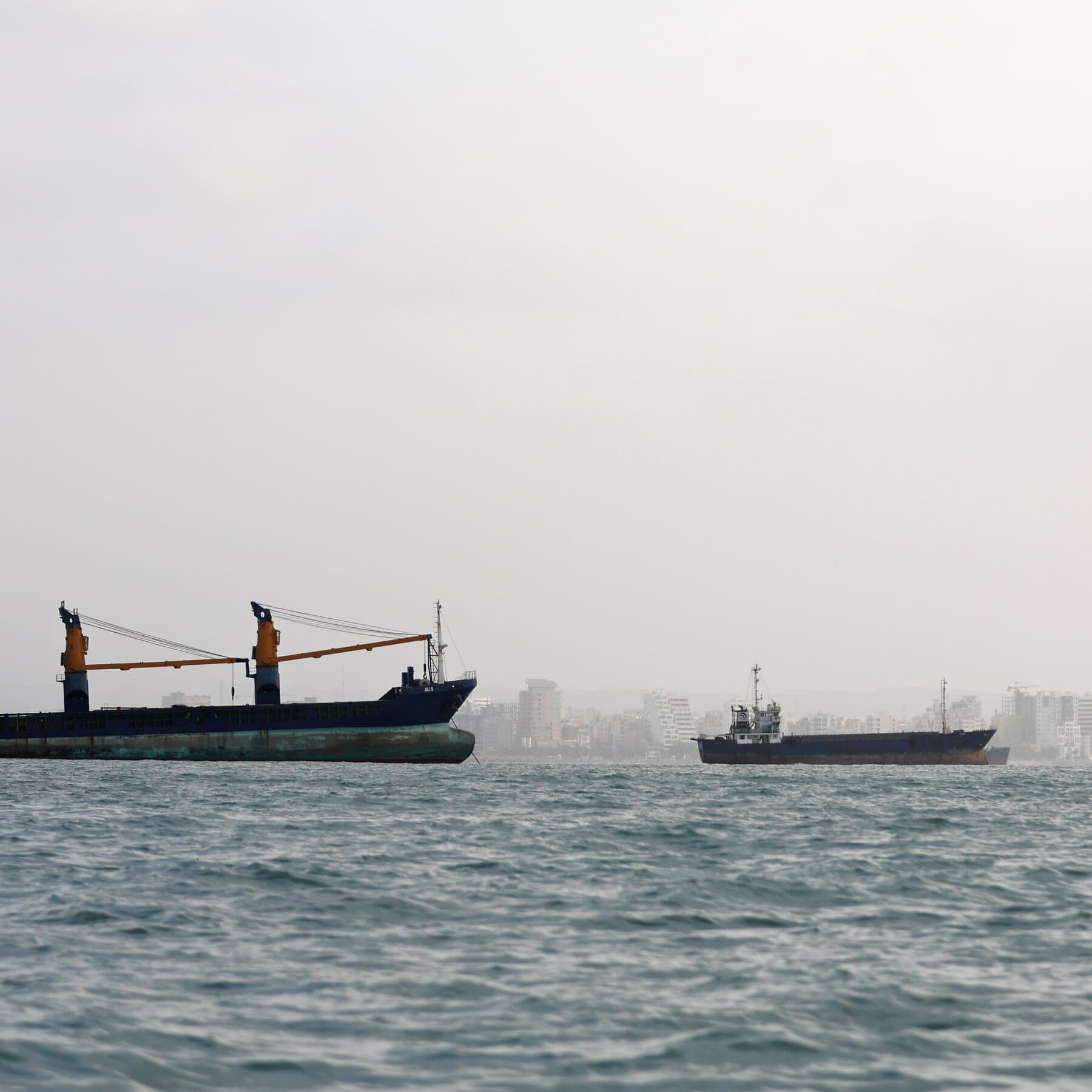
Current prices are hovering below $100 a barrel, a notable drop from peaks above $110 in May. However, the ongoing tensions have led to vessels being anchored in the Strait, indicating that the situation remains precarious. The market is reacting to these developments, with analysts warning of potential spikes in prices if disruptions continue.
The Context
The Strait of Hormuz is a vital artery for global oil transportation, making its stability crucial for market health. Recent conflicts involving Iran have heightened concerns about the security of this route, leading to increased volatility in oil prices. The geopolitical landscape is complex, with multiple stakeholders, including the U.S. and Iran, involved in negotiations that could impact shipping agreements.
As negotiations progress, the market is closely monitoring the situation, aware that prolonged disruptions could push crude prices significantly higher, potentially reaching $140 a barrel. This underscores the delicate balance between geopolitical events and market stability, as any escalation could have far-reaching implications for global oil supply and pricing.
Takeaway
As the situation in the Strait of Hormuz evolves, the oil market will remain sensitive to geopolitical developments. Stakeholders should keep an eye on negotiations between the U.S. and Iran, as any breakthroughs or setbacks could lead to immediate market reactions. The potential for significant price fluctuations remains high, particularly if tensions escalate further.
In the coming weeks, it will be essential to monitor how these negotiations unfold and their impact on oil prices. The market's response to geopolitical events will be critical in determining the trajectory of crude prices moving forward.
Markets, economy, and company analysis from NYT’s business desk.
"The New York Times is a globally recognized newspaper offering authoritative reporting with a center-left editorial stance."
— A47 Editor
Energy Prices Expected to Fall in Latest Inflation Data
Energy prices are anticipated to decline in the latest inflation data, influenced by the ongoing volatility in the oil and gas market due to the conflict with Iran. Recent developments include vessels anchored in the Strait of Hormuz near Bandar Abba...
Oil, metals, and agriculture: supply/demand headlines, OPEC chatter, inventories, and price action.
"Solid tape for energy and metals traders tracking macro and micro catalysts."
— A47 Editor
Oil prices choppy amid uncertainty over Hormuz deal negotiations
Oil prices are experiencing volatility amid ongoing uncertainty regarding negotiations over a potential deal involving the Strait of Hormuz, a critical passage for global oil transport. Recent developments indicate that traders are closely monitoring...
Global business headlines with AI angles.
"General business outlet that frequently covers AI."
— A47 Editor
A Prolonged Hormuz Closure Could Send Crude to $140 As U.S.-Iran Deal Remains Elusive
Oil prices have remained below $100 per barrel, but analysts warn that a prolonged closure of the Strait of Hormuz could push prices to $140, as tensions between the U.S. and Iran continue to escalate without a resolution in sight.
Markets desk coverage, trading insights, and investor updates.
"WSJ’s markets reporting provides in-depth analysis and context for investors."
— A47 Editor
Oil Extend Gains on Hormuz Deal Skepticism
Oil prices have continued to rise as skepticism grows regarding the potential for a deal to restore shipping through the Strait of Hormuz, a critical route for global oil transport. This uncertainty has led to increased market volatility, with trader...