
Trump Threatens 50% Tariffs on Canadian Autos and Steel Amid Trade Dispute
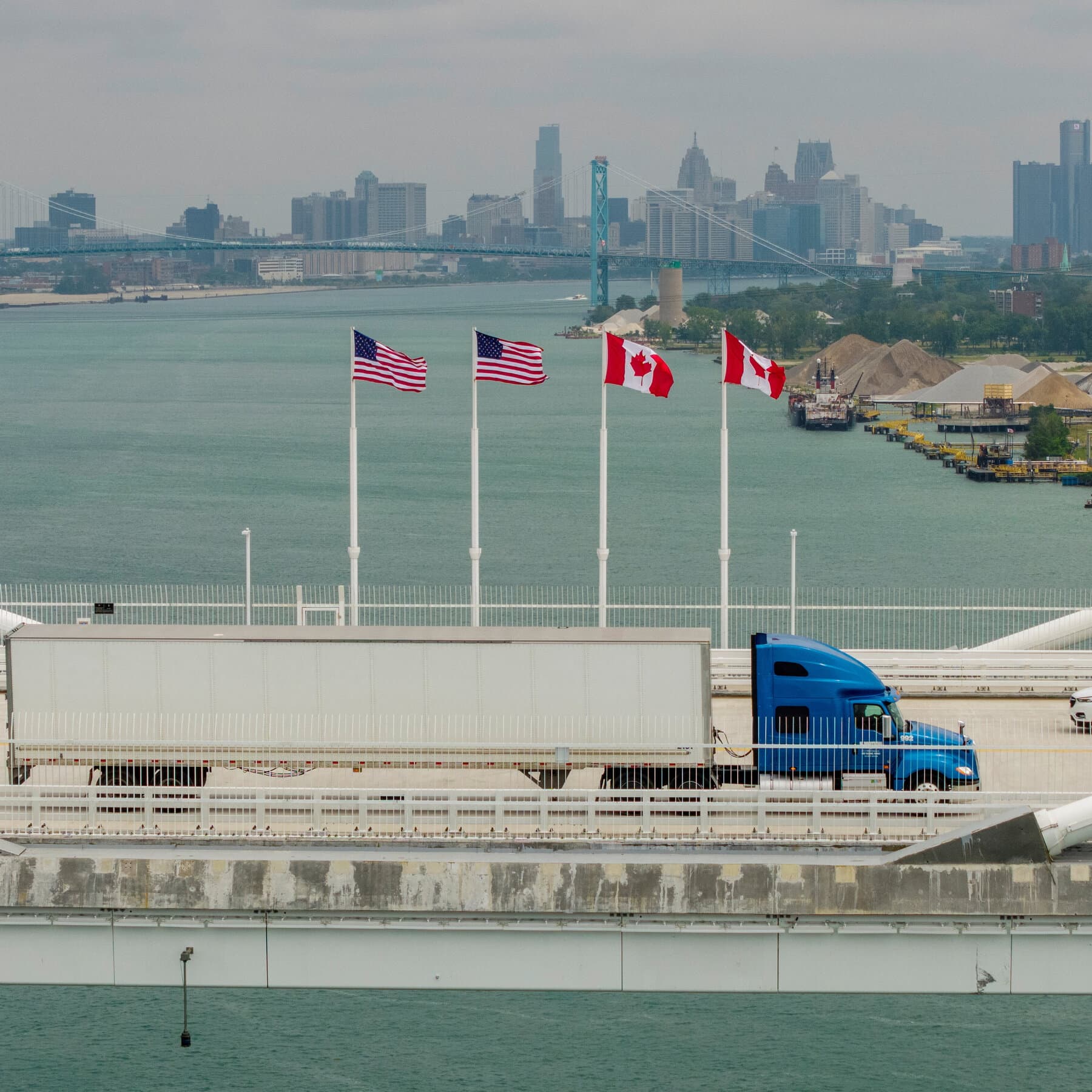
Here's what it means for you.
If you work in the automotive or steel sectors, brace for potential price hikes and market volatility.
Why it matters
This escalation in trade tensions could significantly impact supply chains and consumer prices across North America.
What happened (in 30 seconds)
- On August 24, 2026, President Trump threatened to impose 50% tariffs on Canadian cars, trucks, parts, and steel starting January 1, 2027.
- This announcement followed the collapse of trade negotiations and the imposition of 50% tariffs on $20 billion of Canadian exports.
- Canadian officials are preparing retaliatory measures, including potential restrictions on electricity exports to the U.S.
The context you actually need
- Trade tensions between the U.S. and Canada have been escalating since 2025, driven by broader U.S. tariff policies on imports.
- Negotiations aimed at reducing tariffs collapsed on August 22, 2026, after disagreements over rates, leading to immediate U.S. tariffs on select Canadian goods.
- Canada's response includes retaliatory tariffs effective September 8, 2026, indicating a tit-for-tat approach that could further strain relations.
What's really happening
The recent escalation in U.S.-Canada trade relations stems from a complex interplay of economic policies and national interests. The U.S. has been pursuing aggressive tariff strategies to protect domestic industries, particularly in steel and aluminum, which have been deemed vital for national security. This approach has led to retaliatory measures from Canada, which relies heavily on exports to the U.S. market.
The collapse of negotiations on August 22, 2026, was a pivotal moment. The U.S. aimed to reduce tariffs on Canadian autos from 25% to 15% and on steel from 50% to 25%. However, last-minute disagreements derailed these discussions, prompting the U.S. to impose 50% tariffs on $20 billion worth of Canadian exports, including products like wine, dairy, and cement.
Trump's announcement on August 24 to extend these tariffs to Canadian automotive products and steel is a clear signal of escalating tensions. By framing the tariffs as a response to perceived unfair practices by Canada, Trump is appealing to his base while attempting to exert pressure on Canadian officials. This strategy not only aims to protect U.S. jobs but also seeks to leverage negotiations by creating a sense of urgency.
The implications of these tariffs are significant. Major automakers, already facing supply chain disruptions, are expressing skepticism about the feasibility of implementing such high tariffs. The auto industry is particularly sensitive to price changes, and a 50% tariff could lead to increased costs for consumers, potentially stalling sales and impacting jobs.
On the Canadian side, Prime Minister Mark Carney is preparing for a dollar-for-dollar retaliation, which could include tariffs on U.S. goods or restrictions on electricity exports to the U.S. This could have a ripple effect on energy prices and availability in both countries.
As tensions rise, market volatility is expected, particularly in the auto and steel sectors. Investors will be closely monitoring the situation, as any further escalation could lead to broader economic repercussions, affecting not just the U.S. and Canada but also global supply chains.
Who feels it first (and how)
- Automotive manufacturers: Facing increased production costs and potential supply chain disruptions.
- Steel producers: Likely to see price fluctuations and demand shifts.
- Consumers: Could experience higher prices for vehicles and related products.
- Energy sector: May be impacted by Canadian restrictions on electricity exports.
- Investors: Will need to navigate increased market volatility in affected sectors.
What to watch next
- Retaliatory measures from Canada: Watch for specific actions that could escalate the trade dispute further.
- Market reactions: Monitor stock prices and market volatility in the automotive and steel sectors as tariffs are implemented.
- Negotiation developments: Keep an eye on any renewed talks or diplomatic efforts aimed at resolving the trade tensions.
The U.S. has imposed 50% tariffs on $20 billion of Canadian exports.
Canada will retaliate with its own tariffs or restrictions.
The long-term impact on consumer prices and market stability remains uncertain.
Frequently Asked Questions
- Why it matters?
- This escalation in trade tensions could significantly impact supply chains and consumer prices across North America.
- What happened (in 30 seconds)?
- On August 24, 2026, President Trump threatened to impose 50% tariffs on Canadian cars, trucks, parts, and steel starting January 1, 2027. This announcement followed the collapse of trade negotiations and the imposition of 50% tariffs on $20 billion of Canadian exports. Canadian officials are preparing retaliatory measures, including potential restrictions on electricity exports to the U.S.
- What's really happening?
- The recent escalation in U.S.-Canada trade relations stems from a complex interplay of economic policies and national interests. The U.S. has been pursuing aggressive tariff strategies to protect domestic industries, particularly in steel and aluminum, which have been deemed vital for national security. This approach has led to retaliatory measures from Canada, which relies heavily on exports to the U.S. market. The collapse of negotiations on August 22, 2026, was a pivotal moment. The U.S. ai
- Who feels it first (and how)?
- Automotive manufacturers: Facing increased production costs and potential supply chain disruptions. Steel producers: Likely to see price fluctuations and demand shifts. Consumers: Could experience higher prices for vehicles and related products. Energy sector: May be impacted by Canadian restrictions on electricity exports. Investors: Will need to navigate increased market volatility in affected sectors.
- What to watch next?
- Retaliatory measures from Canada: Watch for specific actions that could escalate the trade dispute further. Market reactions: Monitor stock prices and market volatility in the automotive and steel sectors as tariffs are implemented. Negotiation developments: Keep an eye on any renewed talks or diplomatic efforts aimed at resolving the trade tensions.
Pan-Arab political news and analysis.
"Al-Quds Al-Arabi is a London-based Arabic newspaper known for political coverage."
— A47 Editor
ترامب يهدد برفع الرسوم على السيارات والشاحنات إلى 50% وسط خلاف مع كندا
U.S. President Donald Trump announced on Monday that tariffs on all cars, trucks, auto parts, and steel will increase to 50% starting January 1, 2027, following the collapse of trade talks with Canada over the weekend. Trump emphasized on social medi...
Global news coverage with extensive reporting on Middle Eastern conflicts and geopolitics.
"Al Jazeera is a Qatar-based broadcaster known for wide regional coverage and alternative perspectives."
— A47 Editor
Trump slams Canada with new 50 percent auto tariffs for 2027
U.S. President Donald Trump has announced that tariffs on Canadian auto and steel products will increase to 50% starting January 1, 2027, following the breakdown of trade negotiations between the two nations. This decision affects approximately $20 b...
Comprehensive coverage of Middle Eastern and global issues.
"Al Jazeera is a prominent voice from the Global South, especially the Middle East, with an emphasis on underreported stories."
— A47 Editor
Trump slams Canada with new 50 percent auto tariffs for 2027
U.S. President Donald Trump has announced that tariffs on Canadian auto and steel products will increase to 50% starting January 1, 2027, following the breakdown of trade negotiations between the two nations. This decision affects approximately $20 b...
Regional and international reporting focused on Middle Eastern politics, diplomacy, and economics.
"Asharq Al-Awsat is a Saudi-owned international newspaper reflecting mainstream Gulf political perspectives."
— A47 Editor
Trump Issues New Threats to Canada Over Trade
President Trump has escalated trade tensions with Canada by threatening to impose a 50% tariff on Canadian goods, a move that follows failed negotiations between U.S. and Canadian officials. This decision comes as the deadline for a trade agreement l...
Markets, economy, and company analysis from NYT’s business desk.
"The New York Times is a globally recognized newspaper offering authoritative reporting with a center-left editorial stance."
— A47 Editor
Trump Threatens New 50% Tariffs on Cars, Trucks and Steel as U.S.-Canada Trade War Unfolds
President Trump has announced plans to impose a 50% tariff on cars, trucks, auto parts, and steel starting January 1, amid escalating trade tensions with Canada following the failure to reach a trade deal. This announcement follows the imposition of ...
Market-moving headlines impacting equities, bonds, and related risk assets.
"Real-time catalysts and volatility drivers across indices and sectors."
— A47 Editor
Trump threatens 50% tariffs on all cars and trucks from Canada amid trade fight
President Trump has threatened to impose a 50% tariff on all cars and trucks imported from Canada, escalating trade tensions between the two nations. This announcement follows the failure to reach a trade agreement and comes amid ongoing negotiations...
Pan-Arab news coverage spanning politics, business, sports, and regional affairs.
"Asharq Al-Awsat reflects a broad Arab editorial perspective with strong attention to regional geopolitics."
— A47 Editor
ترمب يهدد بفرض 50 % رسوماً جمركية على السيارات وسط نزاع تجاري مع كندا
U.S. President Donald Trump announced that tariffs on all cars, trucks, auto parts, and steel imported from Canada will increase to 50% starting January. This escalation comes amid ongoing trade tensions between the United States and Canada.
Conservative-leaning political and national coverage.
"The Washington Times is a conservative-leaning newspaper known for its political coverage and advocacy of right-of-center viewpoints."
— A47 Editor
'We don't need Canada': Trump threatens northern neighbor with more tariffs on cars, trucks
President Trump has escalated trade tensions with Canada by threatening to impose a 50% tariff on all Canadian cars, trucks, auto parts, and steel, a move that could significantly impact the bilateral trade relationship. This threat follows a series ...
News from the United States including domestic politics, society, and culture.
"Global News is a mainstream Canadian media outlet generally considered to have a centrist editorial stance, covering news with a focus on factual reporting and national interest."
— A47 Editor
Trump threatens more tariffs on Canadian automotive industry and steel
U.S. President Donald Trump has threatened to impose additional tariffs on Canadian automobiles, car parts, and steel, escalating the ongoing trade tensions between the U.S. and Canada. This announcement comes amid a backdrop of failed negotiations a...
National coverage of politics and current events across Canada.
"Global News is a mainstream Canadian outlet with a centrist editorial stance, focusing on factual reporting."
— A47 Editor
Trump threatens more tariffs on Canadian automotive industry and steel
U.S. President Donald Trump has threatened to impose additional tariffs on Canadian automobiles, car parts, and steel, escalating the ongoing trade tensions between the U.S. and Canada. This announcement comes amid a backdrop of failed negotiations a...
Global business headlines with AI angles.
"General business outlet that frequently covers AI."
— A47 Editor
U.S. And Canada Escalate Their Trade War. Trump Announces Hike To Auto Tariffs.
President Trump has escalated trade tensions with Canada by announcing a 50 percent tariff on various Canadian goods, following stalled negotiations with Prime Minister Mark Carney. This decision is framed as a response to perceived discrimination ag...
National coverage of politics and current events across Canada.
"Global News is a mainstream Canadian outlet with a centrist editorial stance, focusing on factual reporting."
— A47 Editor
Trade war enters new phase as Canada readies ‘dollar-for-dollar’ response
Canada is preparing to implement a 'dollar-for-dollar' response to the United States' recent imposition of a 50% tariff on $20 billion worth of Canadian goods, following the breakdown of trade negotiations. Prime Minister Mark Carney stated that Cana...
Business, markets, economy, and corporate news with strong UAE and regional relevance.
"Emirates 24|7 business coverage tends to center UAE markets, property, regulation, and regional economic developments."
— A47 Editor
Canada vows retaliatory tariffs as US trade dispute escalates
Canada has announced plans to impose retaliatory tariffs on U.S. goods starting September 8, following the introduction of a 50% tariff by the United States on approximately $20 billion worth of Canadian exports. This escalation in trade tensions com...