
MSCI Proposes Standalone Market Status for Indonesia Triggering Major Stock Market Decline
Why it matters
This reclassification threatens Indonesia's access to global capital markets, potentially destabilizing its economy.
What happened (in 30 seconds)
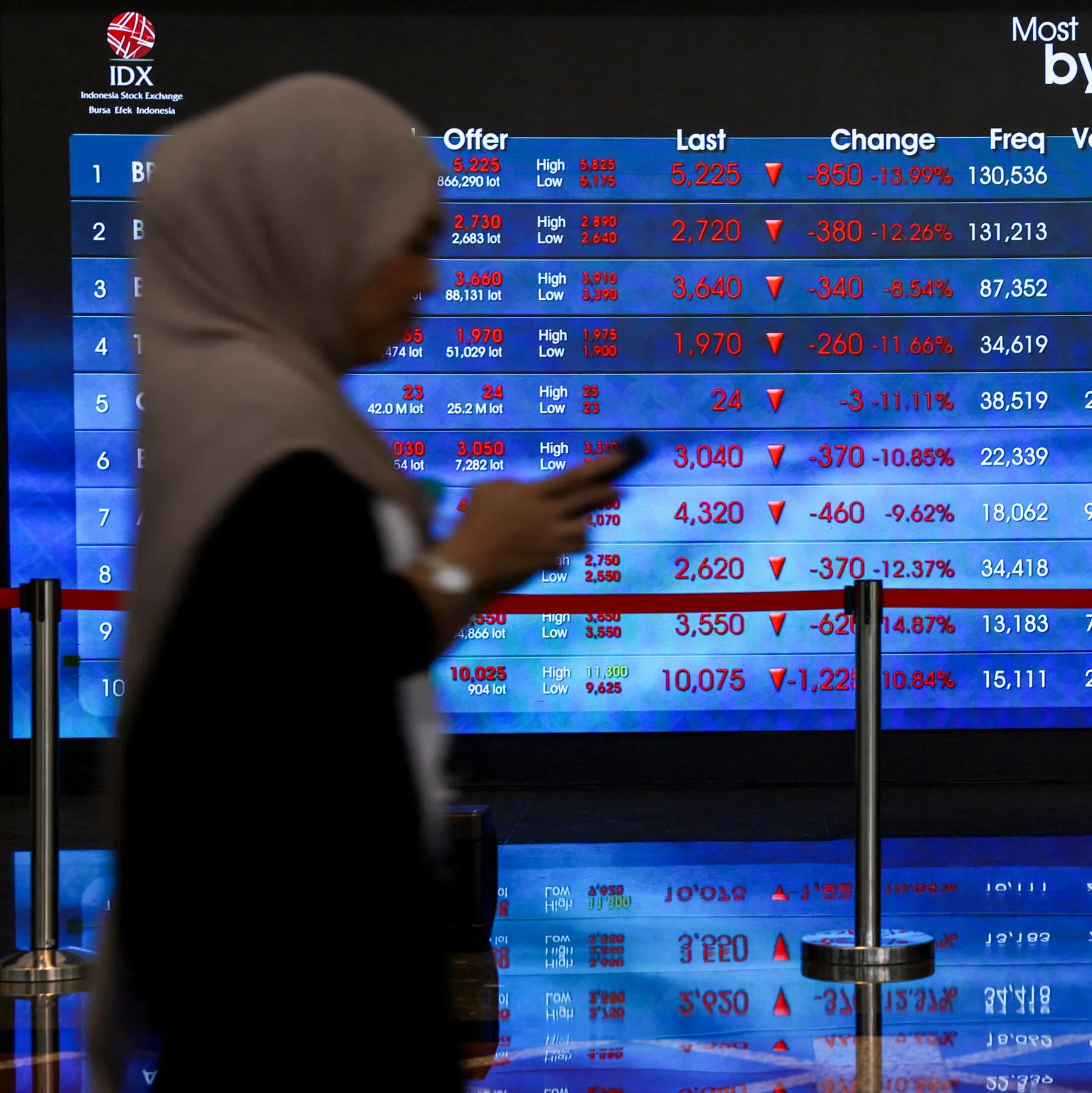
- Indonesian stocks plunged more than 11 percent on October 16, 2026, marking the largest one-day decline since the 1998 Asian financial crisis.
- MSCI launched a consultation to consider reclassifying Indonesia from an emerging market to a standalone market, citing ongoing market dysfunction.
- Foreign outflows accelerated, with estimates suggesting potential withdrawals of $3-6 billion from passive and active funds.
The context you actually need
- MSCI raised concerns about Indonesia's market transparency in January 2026, freezing its weightings and considering a downgrade to frontier market status.
- Persistent issues such as opaque share ownership and suspected coordinated trading have led to increased scrutiny from global investors.
- Indonesian authorities have rejected the proposed downgrade, citing improvements in market transparency, but the financial regulator has imposed fines for alleged market manipulation.
What's really happening
On October 15-16, 2026, MSCI announced a consultation regarding Indonesia's market classification, which sent shockwaves through the Jakarta Composite Index. The index opened down 8 percent on October 16, triggering a 30-minute trading halt, before closing down over 11 percent. This decline wiped out approximately $60 billion in market capitalization, marking a critical moment for Indonesia's financial landscape.
The consultation stems from MSCI's ongoing concerns about market opacity and governance under President Prabowo Subianto's administration. The financial regulator, Otoritas Jasa Keuangan (OJK), has faced criticism for insufficient enforcement of reforms, which has led to fears of coordinated trading practices that undermine investor confidence. As a result, MSCI's potential reclassification to standalone status would isolate Indonesia from major global benchmarks, limiting its attractiveness to foreign investors.
The implications of this move are significant. If Indonesia is reclassified, it risks being excluded from indexes that track trillions in assets, which could lead to a further decline in foreign investment. The market's volatility is exacerbated by the ongoing foreign selling pressure, with estimates of $3-6 billion in potential outflows. This situation creates a feedback loop: as foreign investors withdraw, the market becomes less stable, prompting further withdrawals.
Indonesian authorities have responded by rejecting the proposed downgrade and imposing fines on market participants for alleged manipulation in three listed firms. However, these measures may not be sufficient to restore investor confidence. MSCI has indicated that it will proceed with the consultation unless material governance improvements are demonstrated by April 2027.
The broader implications of this situation extend beyond Indonesia. Global fund managers are closely monitoring the developments, as the outcome could set a precedent for how emerging markets are evaluated and classified in the future. The potential isolation of Indonesia's market could lead to increased scrutiny of other emerging markets facing similar governance challenges.
Who feels it first (and how)
- Global fund managers: They may need to adjust their portfolios, potentially leading to significant losses.
- Local investors: They face immediate financial impacts due to market volatility and declining stock values.
- Indonesian businesses: Companies reliant on foreign investment may struggle to secure funding, impacting growth and operations.
- Regulatory bodies: Increased pressure to enforce reforms and improve market transparency.
What to watch next
- MSCI's final decision: Expected by June 2027, this will determine Indonesia's market classification and its future access to global capital.
- Regulatory reforms: Watch for any new measures from OJK aimed at improving market transparency and governance.
- Foreign investment trends: Monitor the flow of foreign capital into Indonesia, as continued outflows could signal deeper issues within the market.
The Jakarta Composite Index experienced its largest one-day decline since 1998.
Continued volatility in the Indonesian market as investors react to MSCI's consultation.
The long-term effects of potential reclassification on Indonesia's economy and investor confidence.
Frequently Asked Questions
- Why it matters?
- This reclassification threatens Indonesia's access to global capital markets, potentially destabilizing its economy.
- What happened (in 30 seconds)?
- Indonesian stocks plunged more than 11 percent on October 16, 2026, marking the largest one-day decline since the 1998 Asian financial crisis. MSCI launched a consultation to consider reclassifying Indonesia from an emerging market to a standalone market, citing ongoing market dysfunction. Foreign outflows accelerated, with estimates suggesting potential withdrawals of $3-6 billion from passive and active funds.
- What's really happening?
- On October 15-16, 2026, MSCI announced a consultation regarding Indonesia's market classification, which sent shockwaves through the Jakarta Composite Index. The index opened down 8 percent on October 16, triggering a 30-minute trading halt, before closing down over 11 percent. This decline wiped out approximately $60 billion in market capitalization, marking a critical moment for Indonesia's financial landscape. The consultation stems from MSCI's ongoing concerns about market opacity and gover
- Who feels it first (and how)?
- Global fund managers: They may need to adjust their portfolios, potentially leading to significant losses. Local investors: They face immediate financial impacts due to market volatility and declining stock values. Indonesian businesses: Companies reliant on foreign investment may struggle to secure funding, impacting growth and operations. Regulatory bodies: Increased pressure to enforce reforms and improve market transparency.
- What to watch next?
- MSCI's final decision: Expected by June 2027, this will determine Indonesia's market classification and its future access to global capital. Regulatory reforms: Watch for any new measures from OJK aimed at improving market transparency and governance. Foreign investment trends: Monitor the flow of foreign capital into Indonesia, as continued outflows could signal deeper issues within the market.
Markets, economy, and company analysis from NYT’s business desk.
"The New York Times is a globally recognized newspaper offering authoritative reporting with a center-left editorial stance."
— A47 Editor
Indonesian Stocks Plunge as MSCI Threatens to Drop Market from Indexes
Indonesian stocks have plunged following a warning from MSCI about a potential downgrade to standalone market status, which could strip Indonesia of its emerging-market classification. This development has raised alarms among investors, reflecting a ...
Corporate finance news, M&A, deals, and executive interviews.
"Finance Monthly serves a professional readership with corporate finance coverage."
— A47 Editor
Indonesia Stocks Plunge as MSCI Downgrade Threatens $19bn in Outflows
Indonesian stocks experienced a dramatic decline of over 11% following a warning from MSCI regarding a potential downgrade of the country's equity market from emerging-market to standalone status. This marks the steepest one-day drop for the Jakarta ...
Global political, business, and cultural coverage from WSJ international desks.
"The Wall Street Journal offers extensive international reporting with a reputation for financial insight and a center-right editorial stance."
— A47 Editor
Indonesia Stocks Log Worst Day Since 1998 on MSCI Downgrade Warning
Indonesian stocks experienced their largest decline since the 1998 Asian financial crisis, following a warning from index provider MSCI about the potential removal of the country from its indexes. This significant drop reflects growing concerns over ...
Editor-curated FT homepage stories spanning markets, business, world, and opinion.
"The Financial Times is a globally respected business publication with a centrist/center-left tone and strong markets focus."
— A47 Editor
World’s worst-performing stock market hit by fresh MSCI warning
Indonesia's stock market, identified as the world's worst-performing, has received a fresh warning from MSCI, raising concerns about its investability and future status in global indexes. This warning follows MSCI's proposal to downgrade Indonesia to...
U.S. company headlines: M&A, product launches, legal/regulatory actions, and leadership moves.
"U.S.-centric corporate tape; good for tracking single-name catalysts."
— A47 Editor
MSCI proposes downgrading Indonesia to standalone market status
MSCI has proposed downgrading Indonesia to standalone market status, indicating that the country may no longer qualify for emerging-market classification. This potential change raises concerns about Indonesia's future inclusion in global stock indexe...
Global markets, investing, and macroeconomics from a premier financial newsroom.
"Bloomberg is respected for in-depth financial reporting and data-driven analysis."
— A47 Editor
Indonesia Stocks Sink Most in 28 Years on MSCI Downgrade Warning
Indonesian stocks experienced their most significant decline in 28 years following a warning from MSCI Inc. regarding the potential downgrade of Indonesia's emerging-market status, raising concerns about its removal from global indexes and the risk o...