
Federal Reserve Chairman Kevin Warsh Addresses AI Impact on Inflation at IMF Meetings
Why it matters
The Federal Reserve's commitment to price stability is crucial for maintaining economic confidence and managing inflationary pressures that affect everyday costs.
What happened (in 30 seconds)
- Warsh addressed inflation risks during the IMF meetings, highlighting AI's role as a demand-side shock.
- He avoided signaling interest rate decisions, emphasizing a data-driven approach amid ongoing inflation.
- Global central banks are tightening policies in response to energy price volatility and AI-driven economic changes.
The context you actually need
- Warsh's leadership began amid high inflation, with the Fed's first rate hike in three years occurring in September 2026.
- AI investments are reshaping demand, potentially leading to short-term price increases before long-term productivity gains are realized.
- Central banks globally are facing similar challenges, as they balance inflation control with the economic impacts of technological advancements.
What's really happening
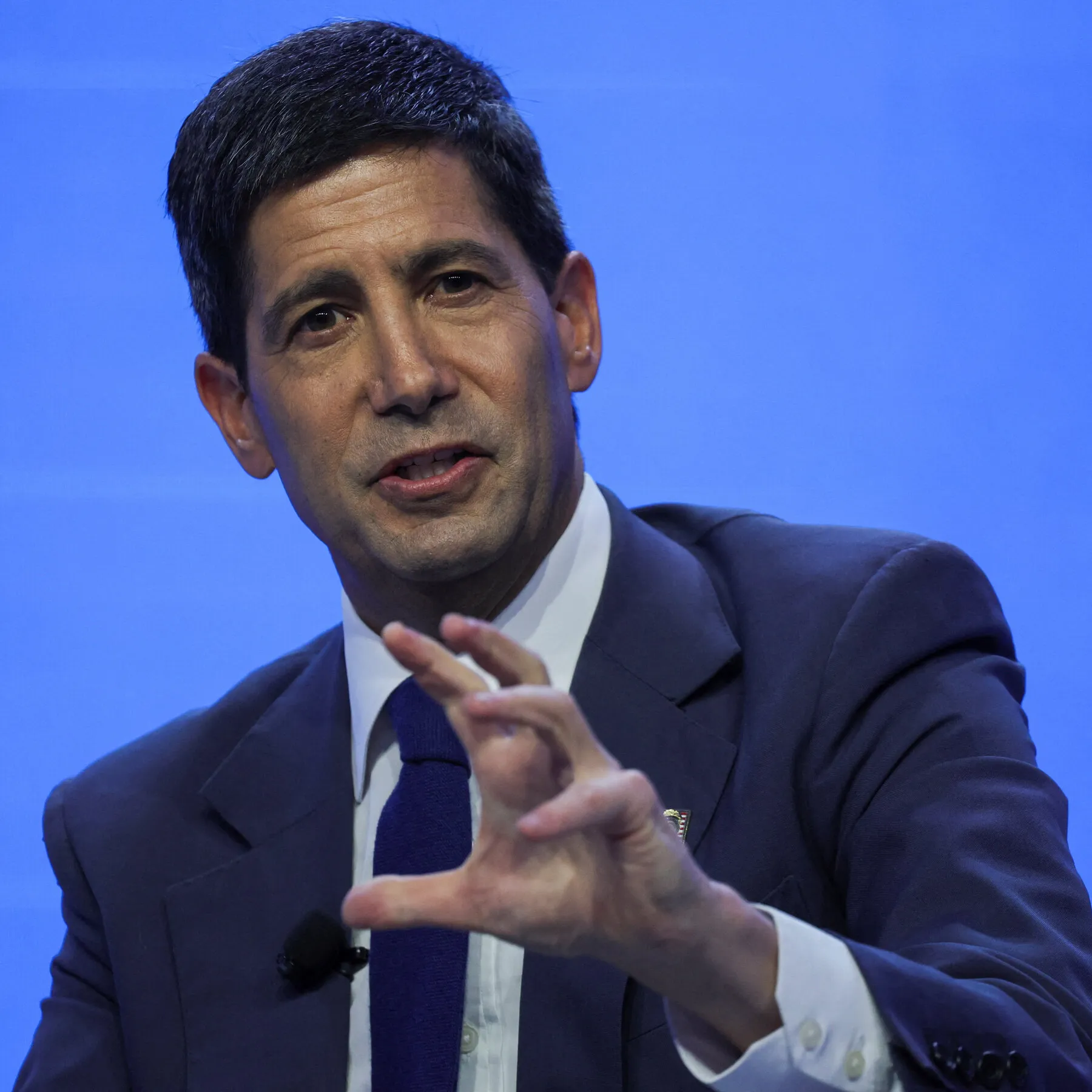
During his address at the IMF and World Bank meetings in Bangkok, Federal Reserve Chairman Kevin Warsh emphasized the significant economic implications of artificial intelligence (AI) investments. He described these advancements as the most consequential economic change in his lifetime, indicating that they are driving demand and contributing to inflationary pressures. Warsh's remarks come at a time when the U.S. is experiencing a year-over-year consumer price index increase of 3.7% as of September 2026, the largest monthly rise in five months.
Warsh's commitment to price stability reflects a broader concern among central bankers about the potential for AI to create both demand-side shocks and future productivity gains. While AI investments are currently boosting demand, they may also lead to increased prices in the short term. This duality presents a challenge for the Federal Reserve, which must navigate these complexities without providing specific guidance on future interest rate decisions.
The Fed's recent quarter-point rate increase in September was a response to rising energy costs and capital expenditures linked to AI infrastructure. Warsh's approach is characterized by a focus on data dependency, meaning that future policy decisions will be based on economic indicators rather than predetermined paths. This strategy aims to maintain flexibility in responding to evolving economic conditions, particularly as inflation remains a pressing concern.
The implications of Warsh's address extend beyond the U.S. economy. Global central banks are also grappling with the effects of synchronized monetary tightening amid energy market volatility and post-pandemic recovery challenges. As central banks prioritize inflation control, the interconnectedness of global economies means that decisions made in one region can have ripple effects elsewhere.
In summary, Warsh's pledge for price stability amid AI-driven economic shocks highlights the delicate balance central banks must strike between fostering innovation and controlling inflation. The ongoing dialogue among global financial leaders underscores the urgency of addressing these challenges in a rapidly changing economic landscape.
Who feels it first (and how)
- Consumers: Higher prices for goods and services due to inflationary pressures.
- Investors: Market volatility as interest rate decisions are influenced by inflation data.
- Businesses: Increased costs for capital and operational expenses linked to AI investments.
- Residents in Dubai: Potentially higher costs for housing and transportation due to imported inflation.
What to watch next
- Upcoming Fed meetings: The outcomes of the October 27-28 meeting will provide insights into future interest rate paths.
- Inflation data releases: Continued monitoring of consumer price index changes will indicate the effectiveness of current monetary policies.
- AI investment trends: Observing how AI impacts productivity and demand will be crucial for understanding long-term economic shifts.
Inflation remains a significant concern for the Federal Reserve and global central banks.
Future interest rate decisions will be heavily influenced by ongoing inflation data and AI investment trends.
The long-term productivity benefits of AI and their impact on inflation remain uncertain.
Frequently Asked Questions
- Why it matters?
- The Federal Reserve's commitment to price stability is crucial for maintaining economic confidence and managing inflationary pressures that affect everyday costs.
- What happened (in 30 seconds)?
- Warsh addressed inflation risks during the IMF meetings, highlighting AI's role as a demand-side shock. He avoided signaling interest rate decisions, emphasizing a data-driven approach amid ongoing inflation. Global central banks are tightening policies in response to energy price volatility and AI-driven economic changes.
- What's really happening?
- During his address at the IMF and World Bank meetings in Bangkok, Federal Reserve Chairman Kevin Warsh emphasized the significant economic implications of artificial intelligence (AI) investments. He described these advancements as the most consequential economic change in his lifetime, indicating that they are driving demand and contributing to inflationary pressures. Warsh's remarks come at a time when the U.S. is experiencing a year-over-year consumer price index increase of 3.7% as of Septem
- Who feels it first (and how)?
- Consumers: Higher prices for goods and services due to inflationary pressures. Investors: Market volatility as interest rate decisions are influenced by inflation data. Businesses: Increased costs for capital and operational expenses linked to AI investments. Residents in Dubai: Potentially higher costs for housing and transportation due to imported inflation.
- What to watch next?
- Upcoming Fed meetings: The outcomes of the October 27-28 meeting will provide insights into future interest rate paths. Inflation data releases: Continued monitoring of consumer price index changes will indicate the effectiveness of current monetary policies. AI investment trends: Observing how AI impacts productivity and demand will be crucial for understanding long-term economic shifts.
Markets, economy, and company analysis from NYT’s business desk.
"The New York Times is a globally recognized newspaper offering authoritative reporting with a center-left editorial stance."
— A47 Editor
Warsh Vows to Tame Inflation as A.I. Delivers ‘Shock’ to Economy
Federal Reserve Chairman Kevin Warsh reaffirmed his commitment to controlling inflation during a recent speech at the International Monetary Fund and World Bank annual meetings in Bangkok. He avoided providing specific guidance on future interest rat...
Technology business and AI-related headlines.
"Data-driven tech newsroom with global scope."
— A47 Editor
Full Interview: Fed's Warsh on the Global Economy, AI
Federal Reserve Chairman Kevin Warsh participated in a discussion with IMF chief Kristalina Georgieva at an IMF event in Bangkok, Thailand, where they addressed the global economy and the implications of artificial intelligence.
Technology business news, market impacts, and innovation trends.
"Bloomberg is a premier financial and tech news provider, respected for its in-depth reporting and analytical rigor."
— A47 Editor
Full Interview: Fed's Warsh on the Global Economy, AI
Federal Reserve Chairman Kevin Warsh participated in a discussion with IMF chief Kristalina Georgieva at an IMF event in Bangkok, Thailand, where they addressed the global economy and the implications of artificial intelligence.
Technology business and AI-related headlines.
"Data-driven tech newsroom with global scope."
— A47 Editor
Fed's Warsh Says AI Will Change Monetary Policy Conduct
Federal Reserve Chairman Kevin Warsh emphasized the transformative potential of artificial intelligence (AI) on monetary policy during a recent IMF event in Bangkok, describing it as a significant positive supply shock for the economy. He highlighted...
Technology business news, market impacts, and innovation trends.
"Bloomberg is a premier financial and tech news provider, respected for its in-depth reporting and analytical rigor."
— A47 Editor
Fed's Warsh Says AI Will Change Monetary Policy Conduct
Federal Reserve Chairman Kevin Warsh emphasized the transformative potential of artificial intelligence (AI) on monetary policy during a recent IMF event in Bangkok, describing it as a significant positive supply shock for the economy. He highlighted...