
IMF Warns Global Economy Vulnerable to Oil Supply Disruptions Amid U.S.-Iran Tensions
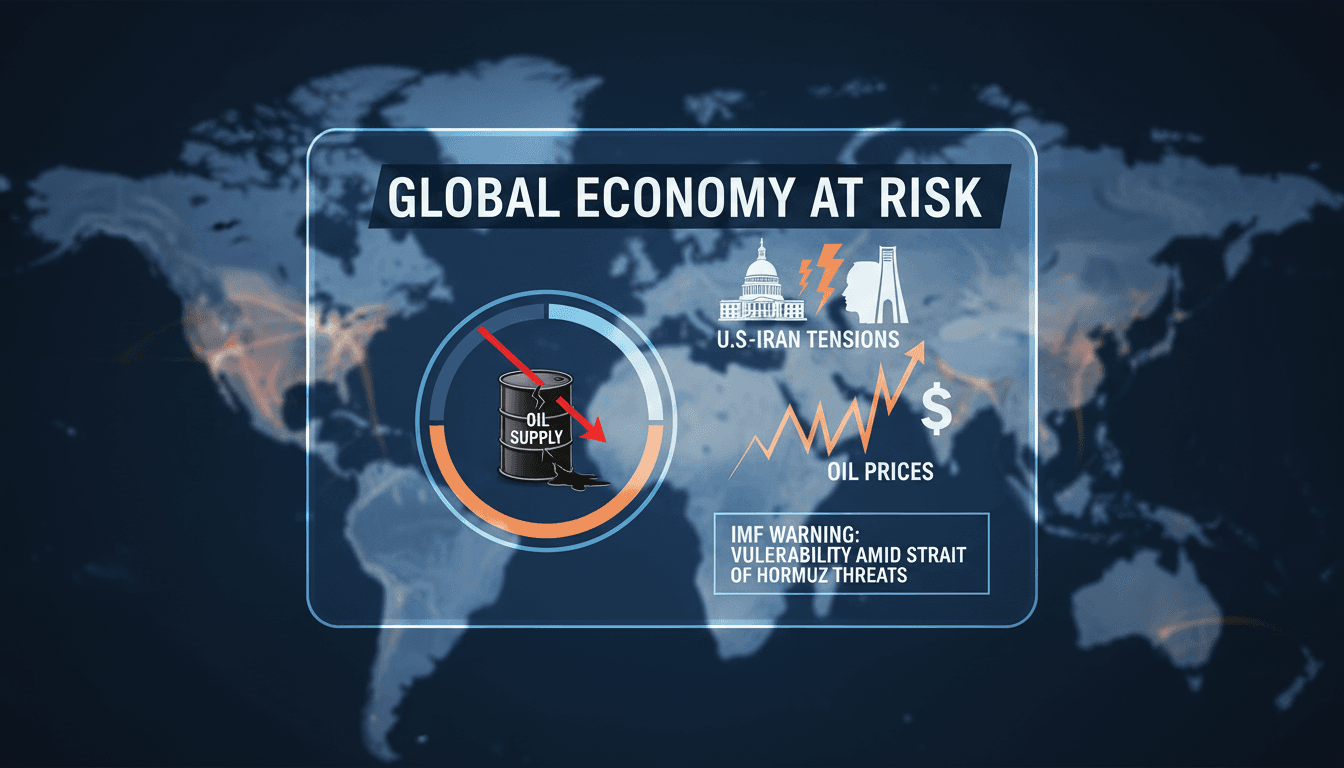
Here's what it means for you.
The International Monetary Fund's warning highlights a critical vulnerability in the global economy regarding oil supply disruptions. As tensions between the U.S. and Iran escalate, the potential for significant market impacts increases, particularly in energy-dependent sectors. Policymakers and businesses must prioritize strategies to diversify energy sources and bolster reserves to mitigate these risks. The implications extend beyond immediate market reactions, affecting long-term economic stability and energy security. Stakeholders should remain vigilant as geopolitical developments unfold, influencing oil prices and supply chains.
What happened
The International Monetary Fund (IMF) has issued a stark warning regarding the global economy's diminished capacity to absorb oil supply shocks, particularly in light of renewed tensions between the U.S. and Iran. This situation is alarming due to the strategic significance of the Strait of Hormuz, a vital chokepoint for global oil transport. The IMF's report indicates that the world may be in a weaker position to respond to future disruptions, which could have far-reaching consequences.
Recent geopolitical hostilities have led to a reduction in safety margins for energy markets, raising concerns about the stability of oil prices. The IMF estimates that disruptions could impact global markets by as much as 20 million barrels per day, underscoring the urgency of the situation.
The Context
The Strait of Hormuz is crucial for the transportation of oil, making it a focal point in the ongoing U.S.-Iran tensions. As geopolitical conflicts escalate, the safety margins for energy markets have contracted, leaving the global economy more susceptible to shocks. The IMF's analysis emphasizes the importance of strategic planning in energy supply management, particularly as demand dynamics shift, especially in Asia.
The report serves as a wake-up call for countries to rethink their energy strategies. By diversifying energy supplies and rebuilding strategic reserves, nations can enhance their economic stability and better prepare for potential disruptions in the future.
Takeaway
Looking ahead, it is essential to monitor developments in U.S.-Iran relations and their potential impact on oil prices. The IMF's findings suggest that countries should actively pursue diversification in their energy supply strategies and stockpiling efforts to mitigate the effects of future shocks. As geopolitical tensions continue to rise, the global economy may face increasing challenges in managing energy supply disruptions.
Stakeholders should remain proactive in assessing their energy dependencies and consider the implications of these tensions on market stability. The need for strategic planning in energy resources will be crucial for maintaining resilience in the face of uncertainty.
Pan-Arab news coverage spanning politics, business, sports, and regional affairs.
"Asharq Al-Awsat reflects a broad Arab editorial perspective with strong attention to regional geopolitics."
— A47 Editor
صندوق النقد الدولي: الاقتصاد العالمي يواجه هامشاً أضيق لامتصاص صدمات النفط
The International Monetary Fund (IMF) has warned that the global economy is now less capable of absorbing oil supply shocks, particularly in light of renewed tensions between the United States and Iran. This situation raises concerns about the stabil...
Sports reporting with a focus on Saudi and regional competitions.
"Okaz sports coverage is broad and audience-friendly, with strong attention to Saudi teams and leagues."
— A47 Editor
«النقد الدولي»: أسواق الطاقة أصبحت أكثر هشاشة أمام تصعيد التوترات الجيوسياسية
The International Monetary Fund (IMF) has warned that energy markets have become increasingly vulnerable to geopolitical tensions, particularly in the Strait of Hormuz, following the initial shock of the U.S.-Iranian conflict in the Middle East. The ...
Markets desk coverage, trading insights, and investor updates.
"WSJ’s markets reporting provides in-depth analysis and context for investors."
— A47 Editor
IMF Sees Reduced Cushion Against Oil Disruption for Global Economy
The International Monetary Fund (IMF) has reported a diminished capacity for the global economy to absorb shocks from potential disruptions in energy supplies, particularly through the strategically important Strait of Hormuz, as tensions between the...