
Goldman Sachs CEO Highlights Investor Greed Amid Economic Concerns
Here's what it means for you.
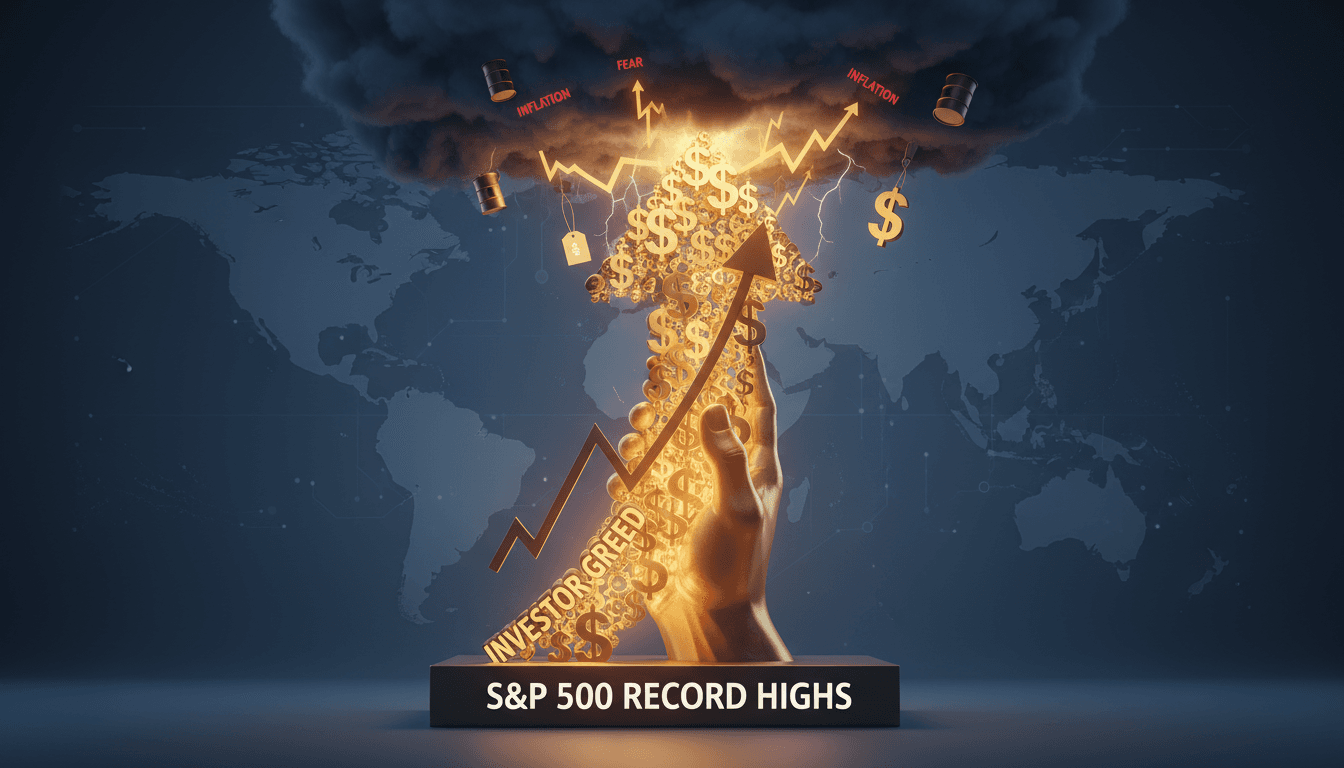
Goldman Sachs CEO David Solomon's recent comments underscore a prevailing optimism in the equity markets, driven by investor greed. This sentiment suggests that despite ongoing economic concerns, such as inflation and high oil prices, investors are willing to take risks. The current market dynamics may lead to continued growth, but stakeholders should remain vigilant about potential shifts in consumer behavior. As the S&P 500 reaches record highs, the implications for market participants are significant. Investors may find opportunities in this bullish environment, but they must also consider the underlying economic factors that could influence future performance.
What happened
During a recent speech at the Economic Club of New York, David Solomon expressed a bullish outlook on equity markets, emphasizing that investor greed is currently overshadowing fears related to economic disruptions and inflation. His remarks come at a time when the S&P 500 has achieved record highs on multiple trading days, indicating strong market performance. Solomon highlighted that high oil prices and inflation could potentially shift consumer behavior in the near future.
The S&P 500 reached record levels on half of all trading days last month, showcasing a robust market environment. Solomon's insights reflect a broader trend of profit-seeking behavior among investors, which is driving the current market boom.
The Context
The backdrop of Solomon's comments is a market characterized by significant volatility and economic uncertainty. High oil prices and persistent inflation are critical factors that could influence consumer spending and overall market dynamics. As these economic conditions evolve, they may impact how consumers make purchasing decisions in the latter half of 2026.
Goldman Sachs, as a leading financial institution, is closely monitoring these trends. The firm's observations about investor sentiment and market performance are essential for understanding the broader economic landscape. The timing of Solomon's speech aligns with a period of heightened market activity, making his insights particularly relevant.
Takeaway
Looking ahead, market participants should monitor consumer spending trends as inflation continues to persist. The current bullish sentiment may face challenges from economic disruptions, but investor confidence remains high. Observing how these factors interact will be crucial for anticipating potential market corrections.
As the landscape evolves, stakeholders should remain aware of the implications of high oil prices and inflation on consumer behavior. The interplay between these economic factors and investor sentiment will shape market dynamics in the near term.
Global markets, investing, and macroeconomics from a premier financial newsroom.
"Bloomberg is respected for in-depth financial reporting and data-driven analysis."
— A47 Editor
Goldman's Solomon Sees More Greed Than Fear in Markets
Goldman Sachs CEO David Solomon stated that the current equity market boom is fueled by a strong desire for profit, which is overshadowing concerns about economic disruptions and inflation risks. This assertion was made during his address at the Econ...
Market-moving headlines impacting equities, bonds, and related risk assets.
"Real-time catalysts and volatility drivers across indices and sectors."
— A47 Editor
Goldman Sachs CEO sees inflation shifting consumer behavior
Goldman Sachs CEO David Solomon has observed that inflation is influencing consumer behavior, leading to shifts in spending patterns across various sectors. This commentary comes amid ongoing economic challenges, including geopolitical tensions and r...
Macro commentary, policy analysis, growth/inflation themes, and global outlooks.
"Contextual macro coverage that complements day-to-day market headlines."
— A47 Editor
Goldman CEO says high oil prices could shift consumer behavior in second half of 2026
Goldman Sachs CEO David Solomon has indicated that high oil prices could lead to significant shifts in consumer behavior during the second half of 2026, reflecting concerns over rising energy costs and their impact on spending patterns.
Editor-curated FT homepage stories spanning markets, business, world, and opinion.
"The Financial Times is a globally respected business publication with a centrist/center-left tone and strong markets focus."
— A47 Editor
Goldman’s David Solomon sees ‘more greed than fear’ on Wall Street
Goldman Sachs CEO David Solomon has expressed a bullish sentiment regarding the current state of Wall Street, indicating that there is 'more greed than fear' among investors. This perspective aligns with the recent performance of the S&P 500, which r...