
US inflation reaches three-year high driven by rising energy prices amid Iran conflict
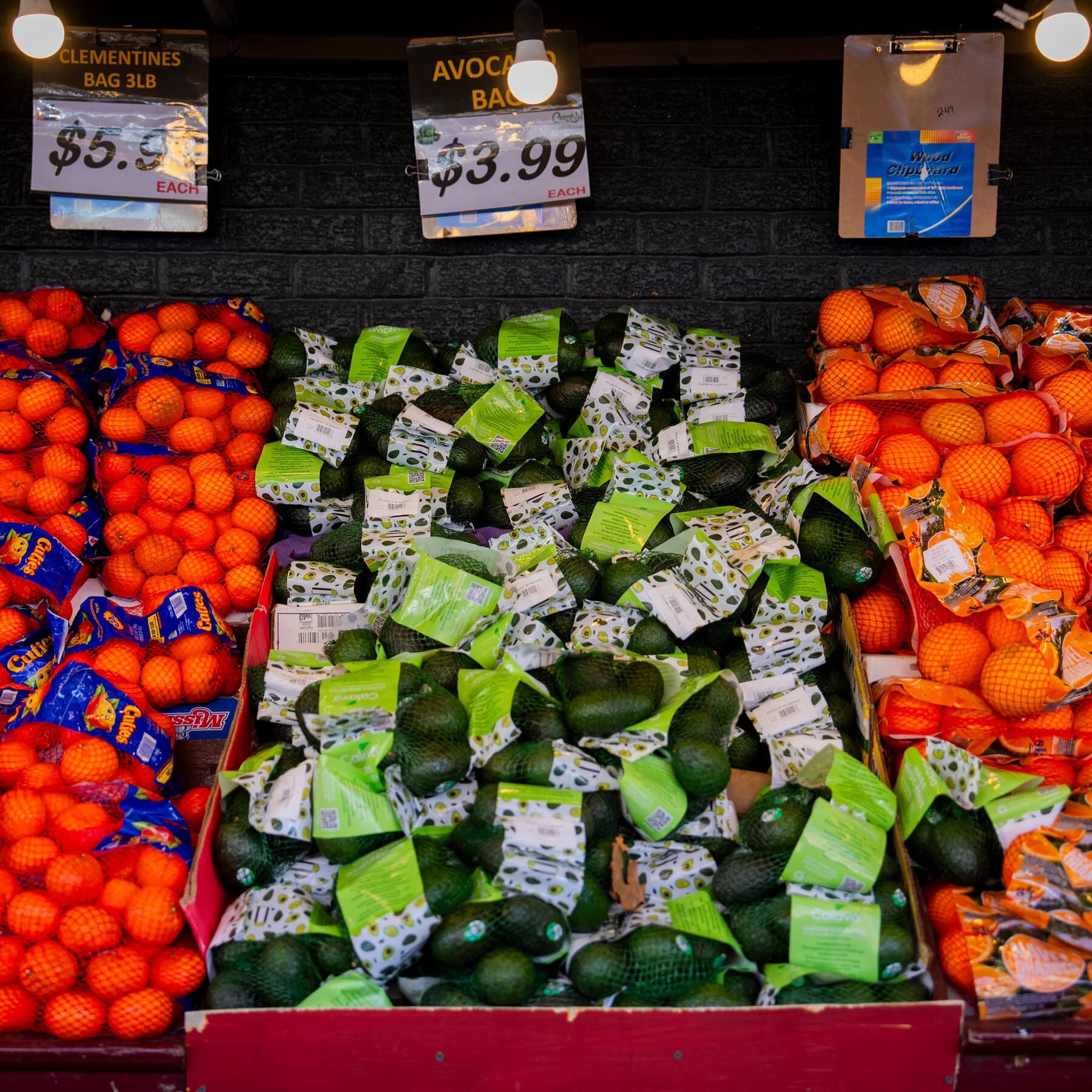
Here's what it means for you.
The recent surge in US inflation to a three-year high signals potential shifts in consumer behavior and economic growth. As energy prices rise amid geopolitical tensions, consumers may face increased costs, impacting their spending power. This inflationary pressure could prompt the Federal Reserve to reconsider its interest rate policies, which may further influence market dynamics. The implications of these developments extend beyond immediate consumer costs, potentially affecting broader economic stability. Stakeholders should remain vigilant as the situation evolves, particularly regarding Federal Reserve responses.
What happened
In April 2026, US inflation surged to its highest level in three years, primarily driven by rising energy costs linked to the ongoing conflict with Iran. The personal consumption expenditures price index increased by 3.8% over the past year, marking the largest rise since May 2023. Notably, petrol prices jumped by 5.5% in April, contributing significantly to overall inflationary pressures.
This inflation spike has raised concerns about consumer spending and economic growth. Additionally, household disposable income has declined for three consecutive months, further complicating the economic landscape.
The Context
The current inflationary trend is closely tied to the ongoing tensions with Iran, which have led to increased energy prices. As energy costs rise, consumers are likely to feel the pinch, affecting their overall spending and sentiment. The Federal Reserve is now under pressure to respond to these inflationary pressures, which could lead to adjustments in interest rates.
The timing of these developments is critical, as the Federal Reserve officials are expected to discuss potential interest rate hikes in May 2026. Understanding the interplay between inflation, consumer behavior, and Federal Reserve policies will be essential for stakeholders navigating this economic environment.
Takeaway
As inflation continues to rise, the Federal Reserve faces mounting pressure to consider interest rate adjustments. This could have significant implications for economic growth and consumer behavior in the coming months. Stakeholders should closely monitor Federal Reserve announcements regarding interest rates and consumer spending trends in response to inflation.
The evolving economic landscape necessitates vigilance as the situation develops. Observing these trends will be crucial for anticipating future market dynamics.
Global news coverage with extensive reporting on Middle Eastern conflicts and geopolitics.
"Al Jazeera is a Qatar-based broadcaster known for wide regional coverage and alternative perspectives."
— A47 Editor
US inflation surges to three-year high amid tensions with Iran
US inflation has surged to a three-year high, driven primarily by a 5.5 percent increase in petrol prices in April, amid escalating tensions with Iran. This inflationary pressure reflects broader economic challenges as the conflict continues to impac...
Comprehensive coverage of Middle Eastern and global issues.
"Al Jazeera is a prominent voice from the Global South, especially the Middle East, with an emphasis on underreported stories."
— A47 Editor
US inflation surges to three-year high amid tensions with Iran
US inflation has surged to a three-year high, driven primarily by a 5.5 percent increase in petrol prices in April, amid escalating tensions with Iran. This inflationary pressure reflects broader economic challenges as the conflict continues to impac...
News from the United States including domestic politics, society, and culture.
"The Guardian is known for its progressive editorial stance and in-depth analysis, often advocating for social justice, environmental issues, and liberal values."
— A47 Editor
US inflation rose at fastest pace in three years in April as Iran war hikes up prices
In April, US inflation surged at its fastest rate in three years, primarily driven by escalating energy prices linked to the ongoing conflict with Iran. This increase has raised concerns among economists that the Federal Reserve may maintain interest...
Breaking news, politics, business, and entertainment from the U.S. and around the world.
"The New York Post is a tabloid-format newspaper known for its sensationalist headlines and conservative-leaning editorial tone."
— A47 Editor
Fed’s preferred inflation gauge worsens as Iran war sends food, energy prices surging
The personal consumption expenditures price index has surged by 3.8% over the past year, marking the most significant increase since May 2023, largely driven by the ongoing conflict in Iran which has led to rising food and energy prices.
Markets, economy, and company analysis from NYT’s business desk.
"The New York Times is a globally recognized newspaper offering authoritative reporting with a center-left editorial stance."
— A47 Editor
Iran War Lifts a Second Inflation Reading to Highest Level Since 2023
The ongoing conflict in Iran has led to a significant rise in inflation, with the central bank acknowledging the need for higher interest rates to combat this resurgence. This marks the second inflation reading reaching its highest level since 2023, ...