
European stock markets decline amid tech downturn and Middle East tensions
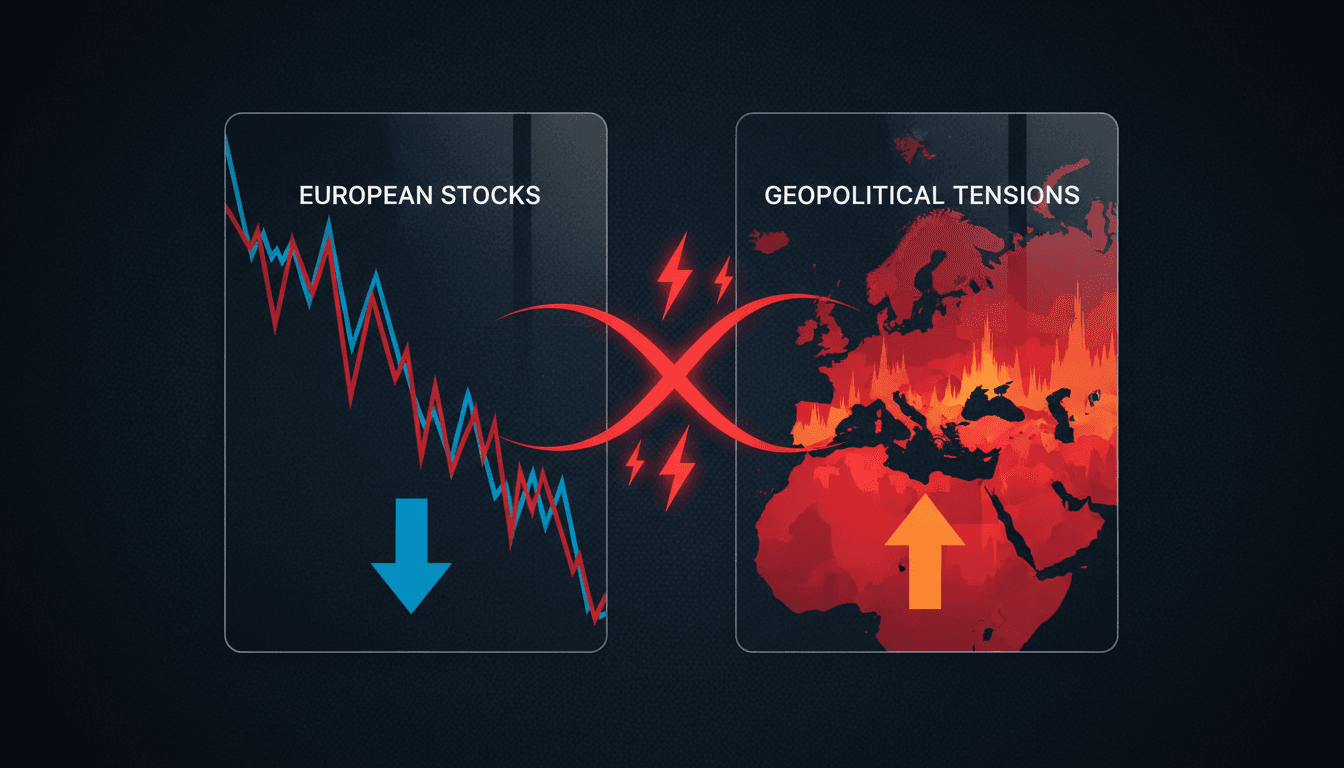
Here's what it means for you.
The recent decline in European stock markets signals a growing concern among investors regarding geopolitical stability and its impact on economic performance. As technology stocks falter, the overall market sentiment has turned bearish, indicating potential challenges ahead for investors. This environment of uncertainty may lead to increased volatility, affecting both short-term trading strategies and long-term investment decisions. The implications of these trends extend beyond the stock market, potentially influencing policy decisions and economic forecasts across Europe. Stakeholders should remain vigilant as developments unfold, particularly in the Middle East, which could further sway market dynamics.
What happened
European stock markets have seen a notable decline, primarily driven by falling technology stocks and rising geopolitical tensions in the Middle East. On July 15, 2026, investor caution began to escalate, leading to expectations of weekly losses for the markets. By July 17, European shares slipped further, with technology stocks emerging as the leading contributors to this downturn.
The overall sentiment in global markets has turned bearish, significantly impacting European stocks. This decline reflects a broader trend of investor uncertainty amid ongoing geopolitical instability, which has raised concerns about future market performance.
The Context
Investor caution is rising as tensions in the Middle East escalate, creating a challenging environment for European markets. Technology stocks, which had previously shown gains, are now at the forefront of the market downturn, highlighting their critical role in overall market performance. The current situation underscores the interconnectedness of global markets and the influence of geopolitical factors on investor sentiment.
As these tensions persist, the outlook for European markets remains uncertain. Stakeholders, including policymakers and investors, must navigate this complex landscape, which could lead to further declines in stock prices and sustained investor caution.
Takeaway
Looking ahead, it is essential to monitor developments in the Middle East, as these events may significantly impact market dynamics. Additionally, upcoming earnings reports from technology companies could provide insights into market sentiment and influence future trading strategies. The ongoing geopolitical tensions are likely to weigh on European markets, suggesting a period of continued volatility.
Investors should remain cautious and informed, as the interplay between geopolitical factors and market performance will be crucial in shaping the economic landscape in the near future.
Pan-Arab news coverage spanning politics, business, sports, and regional affairs.
"Asharq Al-Awsat reflects a broad Arab editorial perspective with strong attention to regional geopolitics."
— A47 Editor
أسهم التكنولوجيا تقود تراجع الأسواق الأوروبية وسط تصاعد التوترات الجيوسياسية
European stocks opened lower on Friday, heading towards weekly losses as global investor sentiment declined amid rising geopolitical tensions. The technology sector led the downturn, reflecting broader concerns in the market.
Market-moving headlines impacting equities, bonds, and related risk assets.
"Real-time catalysts and volatility drivers across indices and sectors."
— A47 Editor
European shares slip as tech stocks, Mideast tensions weigh
European shares have slipped as tensions in the Middle East, particularly between the U.S. and Iran, continue to weigh on market sentiment, alongside a pause in the rally of technology stocks. This decline reflects ongoing investor concerns about geo...
Pan-Arab news coverage spanning politics, business, sports, and regional affairs.
"Asharq Al-Awsat reflects a broad Arab editorial perspective with strong attention to regional geopolitics."
— A47 Editor
حذر المستثمرين من توترات الشرق الأوسط يضغط على الأسهم الأوروبية
European stocks declined on Wednesday as investor caution grew amid escalating tensions in the Middle East, despite gains in technology sector shares.