
Eurozone bond yields rise as Japan's GPIF considers major bond purchases
Here's what it means for you.
The recent rise in Eurozone bond yields signals potential shifts in the financial landscape, influenced by external economic factors such as oil prices. Investors should be aware of the implications this may have on borrowing costs and market volatility. Additionally, Japan's GPIF's consideration of significant bond purchases could stabilize its local market, impacting global investment strategies.
What happened
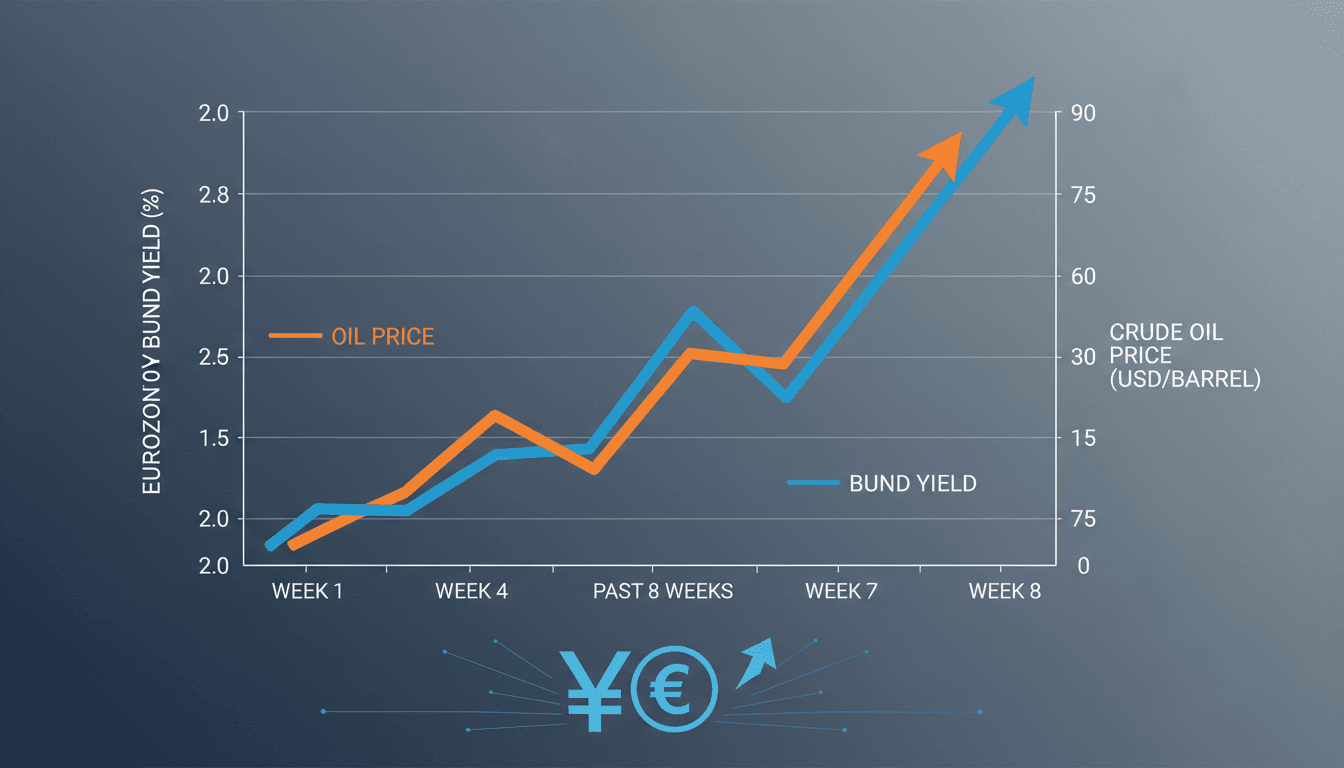
Bond yields in the Eurozone have increased, with the 10-year Bund yield reaching an eight-week high. This rise is largely attributed to escalating oil prices, which have a direct effect on bond yields. In Japan, the Government Pension Investment Fund (GPIF) is contemplating a review that could lead to substantial government bond purchases, potentially amounting to ¥12.3 trillion ($76 billion).
These developments highlight the interconnectedness of global markets, as actions taken by one country's financial institutions can influence yields in another region. The GPIF's potential bond purchases may provide support to Japan's local debt market, while the Eurozone faces rising yields amid fluctuating oil prices.
The Context
The increase in the 10-year Bund yield reflects broader economic trends, particularly the impact of rising oil prices on bond markets. As oil prices climb, they can lead to inflationary pressures, prompting investors to reassess their bond holdings. The GPIF's consideration of significant bond purchases is a strategic move that could stabilize Japan's bond market, which is crucial for maintaining investor confidence.
Societe Generale's estimate of ¥12.3 trillion in potential bond purchases underscores the scale of GPIF's influence on the local market. This situation is particularly relevant as both Europe and Japan navigate complex economic landscapes, with external factors playing a significant role in shaping their financial futures.
Takeaway
As oil prices continue to fluctuate, Eurozone bond yields may experience further volatility, impacting investment strategies across the region. Investors should closely monitor oil price trends, as they could lead to additional shifts in bond yields. Furthermore, any announcements from GPIF regarding asset allocation changes will be critical to watch, as they may provide insights into the future stability of Japan's bond market.
The interplay between these two markets highlights the importance of global economic factors in shaping local financial conditions. Stakeholders should remain vigilant as these developments unfold, as they could have far-reaching implications for both Eurozone and Japanese bond markets.
Markets desk coverage, trading insights, and investor updates.
"WSJ’s markets reporting provides in-depth analysis and context for investors."
— A47 Editor
Eurozone Bond Yields Rise; 10-Year Bund Yield Hits Eight-Week High
Eurozone government bond yields have risen, with the 10-year Bund yield reaching an eight-week high, primarily driven by a significant increase in oil prices. This rise reflects heightened investor concerns about inflation amid ongoing geopolitical t...
Market-moving headlines impacting equities, bonds, and related risk assets.
"Real-time catalysts and volatility drivers across indices and sectors."
— A47 Editor
Japan’s Katayama floats GPIF review, retail bond push to bolster local markets
Japan's Finance Minister Satsuki Katayama has proposed a review of the Government Pension Investment Fund (GPIF) and a push for increased investments in retail bonds to strengthen local markets. This initiative aims to redirect capital towards domest...
Global markets, investing, and macroeconomics from a premier financial newsroom.
"Bloomberg is respected for in-depth financial reporting and data-driven analysis."
— A47 Editor
SocGen Sees $76 Billion of JGB Buying If GPIF Rebalances Assets
Societe Generale SA has projected that Japan's Government Pension Investment Fund (GPIF) could purchase up to ¥12.3 trillion ($76 billion) in additional government bonds without altering its asset allocation mix. This potential buying spree is seen a...