
Morocco's inflation rate rises to 1.7% in April 2026
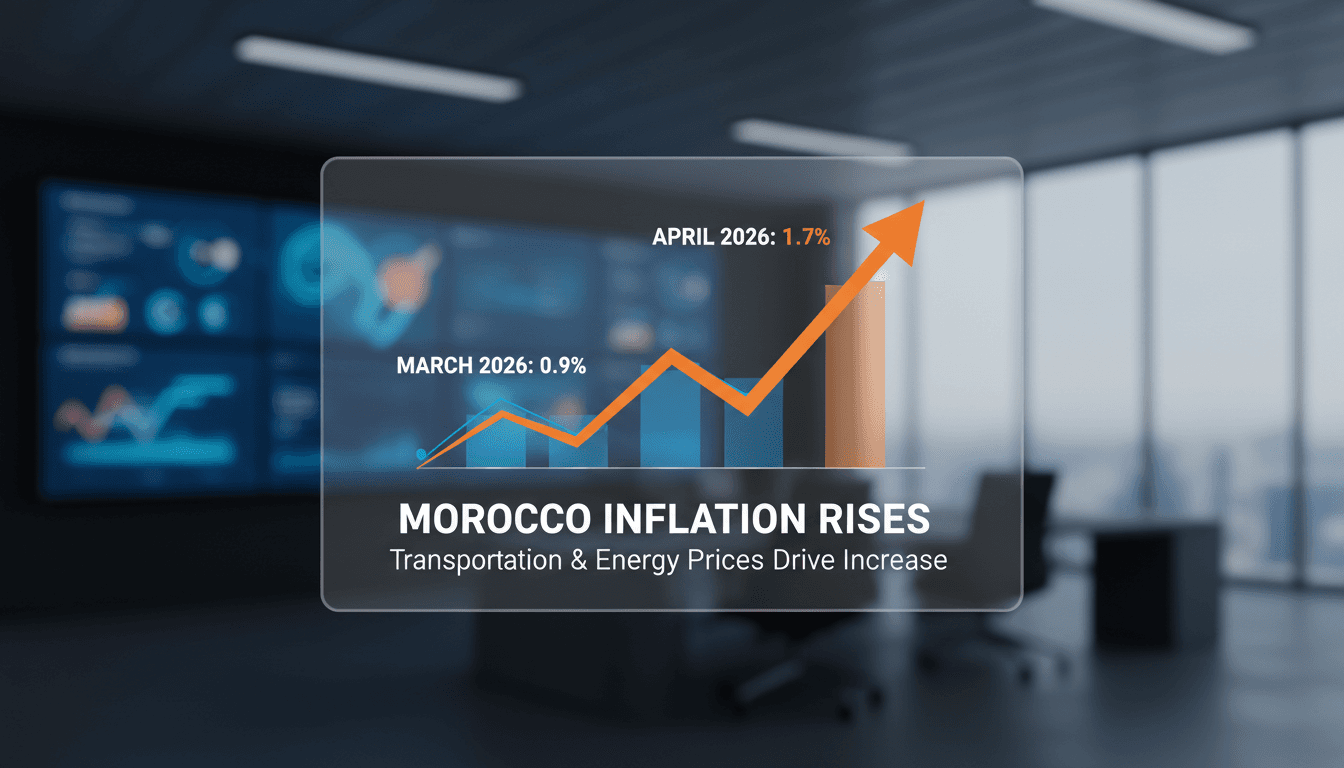
Here's what it means for you.
The rise in Morocco's inflation rate to 1.7% signals increasing economic pressures that could impact consumer purchasing power. As transportation and energy costs climb, households may face higher living expenses, prompting potential shifts in spending behavior. Policymakers will need to closely monitor these trends to devise strategies that stabilize prices and support economic growth.
What happened
Morocco's inflation rate has risen to 1.7% in April 2026, a notable increase from the previous month's rate of 0.9%. This change reflects a significant uptick in transportation and energy prices, which are key contributors to overall inflation. The data was released by the General Statistics Authority, highlighting the ongoing economic challenges the country faces.
The increase in inflation is indicative of broader economic pressures that could affect various sectors. As costs rise, the implications for consumers and businesses alike may be profound, necessitating a careful examination of economic policies moving forward.
The Context
The inflation rate in Morocco has been closely monitored, with the previous month's figure recorded at 0.9%. The recent increase to 1.7% underscores the volatility in transportation and energy markets, which are critical components of the economy. Stakeholders, including consumers and businesses, are likely to feel the impact of these rising costs.
Understanding the dynamics of inflation is essential for policymakers as they navigate the complexities of economic stability. The current situation may prompt the Moroccan government to consider measures aimed at stabilizing prices and fostering growth in the face of these challenges.
Takeaway
As inflation continues to rise, it will be crucial for the Moroccan government to implement effective measures to stabilize prices. Observers should watch for potential government responses to the inflationary pressures, particularly in the transportation and energy sectors. The impact of global energy prices on local inflation rates will also be a key factor to monitor in the coming months.
Continued analysis of inflation trends will be vital for shaping economic policy in Morocco. Stakeholders should remain vigilant as the situation evolves, ensuring that they are prepared for any shifts in the economic landscape.
Pan-Arab news coverage spanning politics, business, sports, and regional affairs.
"Asharq Al-Awsat reflects a broad Arab editorial perspective with strong attention to regional geopolitics."
— A47 Editor
تضخم المغرب يقفز إلى 1.7 % في أبريل بفعل زيادة أسعار النقل والطاقة
The annual inflation rate in Morocco surged to 1.7% in April, up from 0.9% in the previous month, as reported by the General Statistics Authority on Friday. This increase is attributed to rising transportation and energy prices.
Macro commentary, policy analysis, growth/inflation themes, and global outlooks.
"Contextual macro coverage that complements day-to-day market headlines."
— A47 Editor
Morocco’s inflation rate climbs to 1.7% in April
Morocco's inflation rate increased to 1.7% in April, reflecting ongoing economic pressures. This rise marks a notable shift in the country's economic landscape, as inflation rates have been closely monitored amid fluctuating global economic condition...
Regional and international reporting focused on Middle Eastern politics, diplomacy, and economics.
"Asharq Al-Awsat is a Saudi-owned international newspaper reflecting mainstream Gulf political perspectives."
— A47 Editor
Morocco's Inflation Rate Rises to 1.7% in April
Morocco's inflation rate increased to 1.7% in April 2026, reflecting ongoing economic pressures that are influencing consumer prices across the nation. This rise marks a notable shift in the economic landscape, as inflationary trends continue to affe...