
Dubai Central Laboratory Launches Automated System for Rapid Quality Testing of Oils and Fats
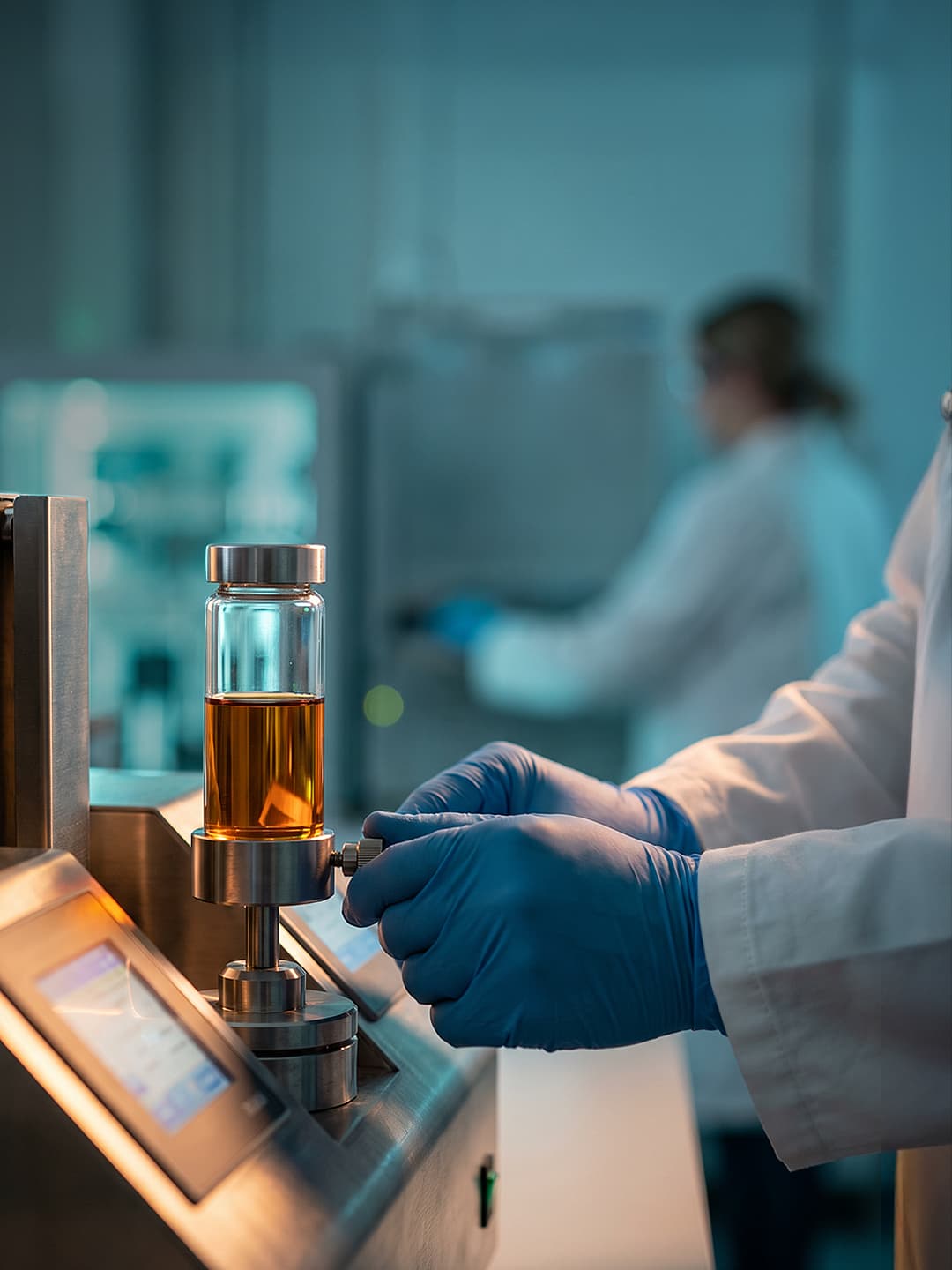
Here's what it means for you.
If you rely on food safety standards, this new technology enhances the reliability of oil and fat quality testing in Dubai.
Why it matters
This advancement strengthens food safety protocols, ensuring compliance with international standards and enhancing consumer trust.
What happened (in 30 seconds)
- On August 24, 2026, Dubai introduced an automated system at the Dubai Central Laboratory for rapid oils and fats quality testing.
- Testing time reduced from two hours to just two minutes, significantly increasing efficiency.
- Daily testing capacity surged by 900%, from six to 60 samples, promoting proactive food safety monitoring.
The context you actually need
- Dubai Municipality has been expanding its food safety testing infrastructure, including the launch of the ViruGenetics Lab for foodborne virus detection.
- Conventional methods of testing oils and fats are time-consuming and require chemical reagents, which this new system eliminates.
- Growing demands in the food manufacturing sector necessitate faster and more efficient laboratory throughput to ensure safety and compliance.
What's really happening
The introduction of the automated technology at the Dubai Central Laboratory marks a significant leap in food safety testing capabilities. By reducing the analysis time from two hours to just two minutes, this system not only enhances the speed of testing but also increases the daily capacity from six to 60 samples—an impressive 900% increase. This transformation is crucial as it addresses the limitations of traditional titration-based methods, which are often slow and reliant on chemical reagents.
The automated system operates without human intervention, allowing for fully automatic sample processing. This shift not only streamlines operations but also aligns with global trends towards automation in laboratory settings. The technology is designed to detect early indicators of oxidation, which is vital for maintaining the quality of oils and fats. By identifying potential quality issues sooner, the system supports regulatory oversight and consumer protection, ensuring that food products meet safety standards.
Director Hind Mahmoud Ahmed of the Dubai Central Laboratory emphasized the importance of this technology in enhancing regulatory efficiency and responsiveness within the food sector. The deployment of this system reflects Dubai's commitment to proactive food safety monitoring and compliance with international standards, which is increasingly important in a globalized market where food safety concerns are paramount.
Moreover, the elimination of chemical consumables contributes to more sustainable laboratory operations, reducing environmental impact. This aspect is particularly relevant as consumers and regulatory bodies alike are becoming more conscious of sustainability in food production and testing processes. The automated system not only meets the immediate needs of food safety but also aligns with broader environmental goals, making it a forward-thinking solution for the future.
Who feels it first (and how)
- Food manufacturers: Increased testing capacity allows for quicker quality assurance processes.
- Consumers: Enhanced safety standards lead to greater confidence in food products.
- Regulatory bodies: Improved efficiency in monitoring compliance with safety regulations.
- Laboratory staff: Reduced manual workload and chemical handling, leading to safer working conditions.
What to watch next
- Adoption rates of the automated system across other laboratories in the UAE, as this could set a precedent for similar innovations.
- Consumer feedback on food quality and safety perceptions post-implementation, which will indicate the system's effectiveness.
- Regulatory changes in food safety standards that may arise as a result of improved testing capabilities, potentially influencing market dynamics.
The automated system has been implemented and is operational.
Increased consumer confidence in food safety and quality in Dubai.
The long-term impact on food manufacturing costs and pricing structures.
Frequently Asked Questions
- Why it matters?
- This advancement strengthens food safety protocols, ensuring compliance with international standards and enhancing consumer trust.
- What happened (in 30 seconds)?
- On August 24, 2026, Dubai introduced an automated system at the Dubai Central Laboratory for rapid oils and fats quality testing. Testing time reduced from two hours to just two minutes, significantly increasing efficiency. Daily testing capacity surged by 900%, from six to 60 samples, promoting proactive food safety monitoring.
- What's really happening?
- The introduction of the automated technology at the Dubai Central Laboratory marks a significant leap in food safety testing capabilities. By reducing the analysis time from two hours to just two minutes, this system not only enhances the speed of testing but also increases the daily capacity from six to 60 samples—an impressive 900% increase. This transformation is crucial as it addresses the limitations of traditional titration-based methods, which are often slow and reliant on chemical reagen
- Who feels it first (and how)?
- Food manufacturers: Increased testing capacity allows for quicker quality assurance processes. Consumers: Enhanced safety standards lead to greater confidence in food products. Regulatory bodies: Improved efficiency in monitoring compliance with safety regulations. Laboratory staff: Reduced manual workload and chemical handling, leading to safer working conditions.
- What to watch next?
- Adoption rates of the automated system across other laboratories in the UAE, as this could set a precedent for similar innovations. Consumer feedback on food quality and safety perceptions post-implementation, which will indicate the system's effectiveness. Regulatory changes in food safety standards that may arise as a result of improved testing capabilities, potentially influencing market dynamics.
UAE-based newspaper covering Gulf politics, society, and international developments.
"Gulf News is one of the UAE’s most prominent English-language publications."
— A47 Editor
Dubai Municipality cuts oil and fat testing time from 2 hours to 2 minutes
Dubai Municipality has successfully reduced the testing time for oils and fats from two hours to just two minutes by implementing advanced automated technology at the Dubai Central Laboratory. This significant improvement enhances the efficiency of f...
A curated Gulf News feed featuring major stories across news, business, opinion, and lifestyle.
"Gulf News is a major UAE newspaper whose featured stories feed reflects a broad editorial mix shaped for a Gulf audience."
— A47 Editor
Dubai Municipality cuts oil and fat testing time from 2 hours to 2 minutes
Dubai Municipality has successfully reduced the testing time for oils and fats from two hours to just two minutes by implementing advanced automated technology at the Dubai Central Laboratory. This significant improvement enhances the efficiency of f...
Arabic-language local coverage focused on UAE domestic issues, civic affairs, and community reporting.
"Emarat Al Youm local coverage emphasizes UAE institutions, public services, and community-level developments."
— A47 Editor
بلدية دبي تطور تقنية متقدمة لفحص جودة الزيوت والدهون آليا بلدية دبي تطور تقنية متقدمة لفحص جودة الزيوت والدهون آليا
The Dubai Central Laboratory, part of Dubai Municipality, has announced the implementation of an advanced technology for the automated testing of oil and fat quality, eliminating the need for human intervention. This innovation aims to enhance the ef...
English-language coverage focused on UAE news, government updates, and domestic affairs.
"Emirates 24|7 reflects a mainstream UAE editorial perspective with strong emphasis on official and domestic developments."
— A47 Editor
Dubai Municipality tests food oil and fat quality in just two minutes
Dubai Central Laboratory, part of Dubai Municipality, has introduced advanced automated technology that reduces the testing time for oils and fats from two hours to just two minutes, significantly enhancing laboratory capacity. This technology allows...
Breaking news and analysis from the UAE and Gulf region.
"Khaleej Times is a long-running UAE publication with broad regional coverage."
— A47 Editor
Dubai unveils automated technology to test oils, fats in 2 minutes instead of 2 hours
Dubai has introduced an innovative automated technology that significantly reduces the time required to test oils and fats from two hours to just two minutes. This advancement was reported by Khaleej Times and highlights the emirate's commitment to e...