
Phase 3 Trial Shows Personalized mRNA Vaccine Reduces Melanoma Recurrence Risk by 42 Percent
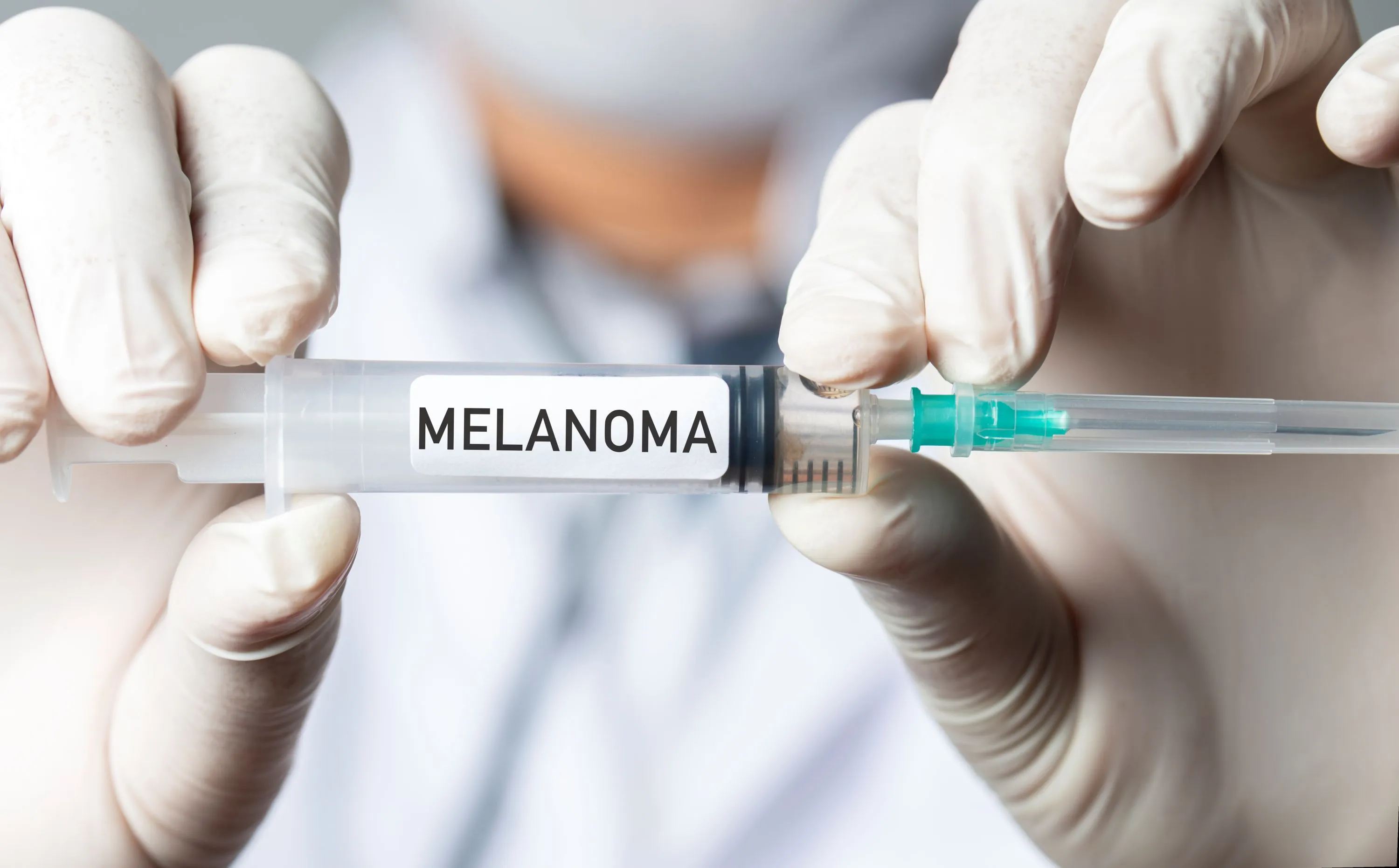
Why it matters
This advancement in melanoma treatment could reshape the landscape of cancer care, particularly in immunotherapy.
What happened (in 30 seconds)
- Merck and Moderna announced a 42% reduction in melanoma recurrence or death risk with their personalized mRNA vaccine, intismeran, combined with pembrolizumab.
- 1,137 patients participated in the Phase 3 INTerpath-001 trial across 157 global sites, showing promising results after a median follow-up of 24.6 months.
- Regulatory approval is pending, with companies planning expedited submissions following the positive trial results presented at ESMO 2026.
The context you actually need
- mRNA technology has gained credibility since its success in COVID-19 vaccines, now being adapted for personalized cancer treatments targeting specific tumor neoantigens.
- Prior Phase 2 trials indicated a 49% risk reduction in melanoma recurrence, setting a strong precedent for the current Phase 3 results.
- Immunotherapy like pembrolizumab is already established in cancer treatment, and this new vaccine aims to enhance its effectiveness by improving immune recognition of residual cancer cells post-surgery.
What's really happening
The Phase 3 INTerpath-001 trial results mark a significant milestone in the fight against melanoma, a particularly aggressive form of skin cancer. The personalized mRNA vaccine, intismeran, works by encoding up to 34 patient-specific neoantigens derived from tumor samples. This tailored approach allows the immune system to better recognize and attack any remaining cancer cells after surgical removal of the tumor.
The trial demonstrated a 42% reduction in the risk of recurrence or death when intismeran was administered alongside pembrolizumab, compared to pembrolizumab alone. This combination therapy not only enhances the immune response but also addresses the critical need for effective adjuvant treatments in high-risk melanoma patients. The results showed an impressive 82.2% recurrence-free survival rate at the median follow-up of 24.6 months, compared to 70% with pembrolizumab alone.
The implications of this breakthrough extend beyond melanoma. Experts believe that the success of this personalized mRNA vaccine could pave the way for similar treatments targeting other types of cancer, potentially transforming the landscape of oncology. The ongoing validation of mRNA technology in cancer treatment is a testament to its versatility and effectiveness, which was initially showcased during the COVID-19 pandemic.
However, the journey to widespread availability is still fraught with challenges. Regulatory approvals are necessary before the vaccine can be integrated into treatment protocols. Companies like Merck and Moderna are already preparing for expedited submissions to regulatory bodies, including the FDA. The stock market has reacted with volatility to the news, reflecting both optimism and caution among investors regarding the future of personalized medicine.
As the healthcare community awaits further developments, the focus will be on how quickly this innovative treatment can be made accessible to patients, particularly those in high-risk categories. The integration of such advanced therapies into existing healthcare systems will require careful planning and collaboration among stakeholders.
Who feels it first (and how)
- Patients with high-risk melanoma: They stand to benefit directly from reduced recurrence rates and improved survival outcomes.
- Oncologists and healthcare providers: They will need to adapt treatment protocols and educate patients about this new option.
- Pharmaceutical companies: They will experience shifts in market dynamics as personalized medicine gains traction, influencing research and development strategies.
What to watch next
- Regulatory approvals: Keep an eye on the timeline for FDA and global regulatory submissions, as swift approvals could lead to rapid market entry.
- Market response: Monitor how the stock performance of Merck and Moderna evolves in response to ongoing developments and investor sentiment.
- Expansion to other cancers: Watch for announcements regarding the application of this mRNA technology to other cancer types, which could broaden its impact significantly.
The Phase 3 trial confirmed a 42% reduction in melanoma recurrence or death risk with the new vaccine.
Regulatory submissions will be expedited, and the vaccine could soon be available for high-risk patients.
The long-term effects and potential for this technology to be adapted for other cancers remain to be fully explored.
Frequently Asked Questions
- Why it matters?
- This advancement in melanoma treatment could reshape the landscape of cancer care, particularly in immunotherapy.
- What happened (in 30 seconds)?
- Merck and Moderna announced a 42% reduction in melanoma recurrence or death risk with their personalized mRNA vaccine, intismeran, combined with pembrolizumab. 1,137 patients participated in the Phase 3 INTerpath-001 trial across 157 global sites, showing promising results after a median follow-up of 24.6 months. Regulatory approval is pending, with companies planning expedited submissions following the positive trial results presented at ESMO 2026.
- What's really happening?
- The Phase 3 INTerpath-001 trial results mark a significant milestone in the fight against melanoma, a particularly aggressive form of skin cancer. The personalized mRNA vaccine, intismeran, works by encoding up to 34 patient-specific neoantigens derived from tumor samples. This tailored approach allows the immune system to better recognize and attack any remaining cancer cells after surgical removal of the tumor. The trial demonstrated a 42% reduction in the risk of recurrence or death when int
- Who feels it first (and how)?
- Patients with high-risk melanoma: They stand to benefit directly from reduced recurrence rates and improved survival outcomes. Oncologists and healthcare providers: They will need to adapt treatment protocols and educate patients about this new option. Pharmaceutical companies: They will experience shifts in market dynamics as personalized medicine gains traction, influencing research and development strategies.
- What to watch next?
- Regulatory approvals: Keep an eye on the timeline for FDA and global regulatory submissions, as swift approvals could lead to rapid market entry. Market response: Monitor how the stock performance of Merck and Moderna evolves in response to ongoing developments and investor sentiment. Expansion to other cancers: Watch for announcements regarding the application of this mRNA technology to other cancer types, which could broaden its impact significantly.
Emerging technologies, digital transformation, IT, and cultural impact of tech.
"WIRED covers the intersection of technology, culture, and politics with a progressive, forward-looking editorial stance."
— A47 Editor
New mRNA Vaccine Reduces Risk of Melanoma Recurrence by Over 40 Percent
A new mRNA vaccine has demonstrated the ability to reduce the risk of melanoma recurrence by over 40 percent, according to results from a Phase 3 trial. This personalized vaccine is tailored to the specific tumor of each patient, showcasing the poten...
Comprehensive coverage of global events, politics, and international issues.
"NBC News is a mainstream outlet known for comprehensive national and international coverage with a centrist to slightly left-leaning editorial tone."
— A47 Editor
Personalized mRNA vaccine for melanoma cut risk of cancer’s return in late-stage trial
Moderna and Merck's personalized mRNA vaccine for melanoma has shown promising results in a late-stage trial, reducing the risk of cancer recurrence and death by 42% compared to standard treatments. This advancement highlights the potential of mRNA t...
Public health news, medical research, and wellness coverage.
"NBC News is a mainstream outlet known for comprehensive national and international news coverage with a centrist to slightly left-leaning editorial tone."
— A47 Editor
Personalized mRNA vaccine for melanoma cut risk of cancer’s return in late-stage trial
Moderna and Merck's personalized mRNA vaccine for melanoma has shown promising results in a late-stage trial, reducing the risk of cancer recurrence and death by 42% compared to standard treatments. This advancement highlights the potential of mRNA t...
National headlines across the United States including breaking stories and societal issues.
"NBC News is a mainstream media outlet known for comprehensive national and international news coverage with a centrist to slightly left-leaning editorial tone."
— A47 Editor
Personalized mRNA vaccine for melanoma cut risk of cancer’s return in late-stage trial
Moderna and Merck's personalized mRNA vaccine for melanoma has shown promising results in a late-stage trial, reducing the risk of cancer recurrence and death by 42% compared to standard treatments. This advancement highlights the potential of mRNA t...
Scientific research, space, environment, and health coverage.
"The New York Times is a globally recognized newspaper offering authoritative reporting with a center-left editorial stance."
— A47 Editor
Melanoma Vaccine Ushers in New Hope for Cancer Patients
A new melanoma vaccine has been developed, offering renewed hope for cancer patients. Scientists are also exploring the potential of cancer vaccines for other aggressive forms of cancer, including glioblastoma and pancreatic cancer, indicating a broa...
Health trends, medical research, and fitness reporting.
"The New York Times is a globally recognized newspaper offering authoritative reporting with a center-left editorial stance."
— A47 Editor
Melanoma Vaccine Ushers in New Hope for Cancer Patients
A new melanoma vaccine has been developed, offering renewed hope for cancer patients. Scientists are also exploring the potential of cancer vaccines for other aggressive forms of cancer, including glioblastoma and pancreatic cancer, indicating a broa...
Markets, economy, and company analysis from NYT’s business desk.
"The New York Times is a globally recognized newspaper offering authoritative reporting with a center-left editorial stance."
— A47 Editor
Melanoma Vaccine Ushers in New Hope for Cancer Patients
A new melanoma vaccine has been developed, offering renewed hope for cancer patients. Scientists are also exploring the potential of cancer vaccines for other aggressive forms of cancer, including glioblastoma and pancreatic cancer, indicating a broa...
English-language reporting on Saudi politics, policy, and society.
"Saudi Gazette reflects mainstream Saudi institutional perspectives."
— A47 Editor
Breakthrough cancer vaccine cuts risk of skin cancer recurrence by almost half
A groundbreaking cancer vaccine, intismeran autogene, has shown a 42% reduction in the risk of melanoma recurrence or death in a Phase 3 clinical trial, as announced by Moderna and Merck. This innovative treatment utilizes messenger RNA to create a p...
Reports on science policy, discoveries, and public debate in the scientific realm.
"The Guardian’s science section is known for thoughtful and critical reporting on global research, ethics, and public understanding of science."
— A47 Editor
‘Bespoke’ mRNA vaccine significantly reduces risk of melanoma recurrence or death, clinical trial shows
A recent clinical trial has demonstrated that a personalized mRNA-based vaccine, intismeran, significantly reduces the risk of melanoma recurrence or death within two years, marking a pivotal advancement in cancer treatment. This vaccine is tailored ...
A curated Gulf News feed featuring major stories across news, business, opinion, and lifestyle.
"Gulf News is a major UAE newspaper whose featured stories feed reflects a broad editorial mix shaped for a Gulf audience."
— A47 Editor
Novel mRNA cancer vaccine helps reduce chances of melanoma patients' tumours returning
A novel mRNA cancer vaccine has been developed that significantly reduces the chances of tumors returning in melanoma patients, as reported by Gulf News. This innovative approach represents a promising advancement in cancer treatment, particularly fo...
UAE-based newspaper covering Gulf politics, society, and international developments.
"Gulf News is one of the UAE’s most prominent English-language publications."
— A47 Editor
Novel mRNA cancer vaccine helps reduce chances of melanoma patients' tumours returning
A novel mRNA cancer vaccine has been developed that significantly reduces the chances of tumors returning in melanoma patients, as reported by Gulf News. This innovative approach represents a promising advancement in cancer treatment, particularly fo...
Medical headlines, wellness tips, and public health guidance.
"ABC News delivers broad national coverage with a mainstream editorial stance, focusing on accessibility and balanced reporting."
— A47 Editor
mRNA cancer vaccine helps reduce chances of melanoma patients' tumors returning
A groundbreaking mRNA cancer vaccine has been shown to significantly lower the likelihood of tumor recurrence in melanoma patients, marking a significant advancement in cancer treatment. This innovative approach utilizes messenger RNA technology to e...
Conservative-leaning political and national coverage.
"The Washington Times is a conservative-leaning newspaper known for its political coverage and advocacy of right-of-center viewpoints."
— A47 Editor
A novel mRNA cancer vaccine helps reduce the chances of melanoma patients' tumors returning
A novel mRNA cancer vaccine developed by Moderna and Merck has shown significant promise in reducing the recurrence of melanoma tumors in patients, according to a major study released recently. This groundbreaking vaccine has successfully completed i...
In-depth coverage of hardware, software, science, and policy.
"Ars Technica provides expert technology news, hardware reviews, and analysis for a technically savvy audience."
— A47 Editor
Moderna and Merck say their mRNA cancer vaccine cut death, recurrence by 42%
Moderna and Merck announced that their mRNA cancer vaccine has successfully reduced death and recurrence rates by 42% in a Phase 3 trial for melanoma, marking a significant advancement in cancer treatment. This follows earlier reports of the trial's ...
In-depth reporting on tech, policy, and science including AI.
"Respected analysis for technically savvy readers, including AI topics."
— A47 Editor
Moderna and Merck say their mRNA cancer vaccine cut death, recurrence by 42%
Moderna and Merck announced that their mRNA cancer vaccine has successfully reduced death and recurrence rates by 42% in a Phase 3 trial for melanoma, marking a significant advancement in cancer treatment. This follows earlier reports of the trial's ...