Bio
Saqib is COO and co-founder at A47 AI, where he runs operations and leads the prediction-markets initiative. He covers crypto, Web3, and the decentralization of the sport and entertainment economy.
Editorial Responsibility
As A47's prediction-markets and crypto editor, I am responsible for our coverage of these markets and Web3 — ensuring it is grounded in real product, data, and revenue rather than speculation.
Previous experience · 14+ years
- · WPP Media (GroupM PK, Wavemaker PH)
- · MYCO
- · ARY Digital Network
Education
MBA Marketing, SZABIST
Areas of expertise
Categories overseen
Stories from Saqib Pathan’s desk
8502 stories- Crypto· World
Crédit Agricole launches EURXT euro-backed stablecoin on Ethereum blockchain
Crédit Agricole has introduced its EURXT stablecoin, issuing 20 million tokens backed 1:1 by euro reserves. This launch is driven by the bank's strategy to integrate blockchain technology into traditional finance while complying with EU regulations. The long-term implication is that EURXT could significantly reshape institutional finance and cross-border transactions in Europe.
4 sourcesJul 4
- Crypto· World
Launch of Open USD stablecoin by financial consortium marks a pivotal moment for cryptocurrency adoption
A consortium including Mastercard, Visa, Stripe, and BlackRock has launched the Open USD stablecoin, signaling a significant shift in the cryptocurrency landscape. This initiative is driven by the need to enhance institutional adoption of cryptocurrencies at a time when traditional financial institutions are increasingly exploring digital assets. The long-term implication is that Open USD could reshape global payment systems and intensify competition among stablecoins, potentially attracting regulatory scrutiny.
3 sourcesJul 4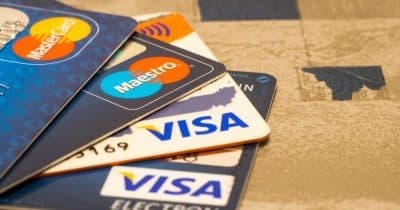
- Crypto· World
American Bitcoin Corp. announces reverse stock split to avoid Nasdaq delisting
American Bitcoin Corp. is implementing a 1-for-15 reverse stock split effective July 2, 2026. This decision comes as the company's shares have dropped by 8.4%, prompting the need for drastic measures to stabilize its stock price and attract institutional investors. The success of this maneuver will be critical for the company's future stability and investor confidence in a challenging market.
3 sourcesJul 4
- Economy· World
Federal Reserve Chairman highlights AI's potential to boost U.S. economy and manage inflation
Federal Reserve Chairman Kevin Warsh has expressed optimism about artificial intelligence's ability to enhance productivity and reshape the U.S. economy. His remarks come at a time when the Fed is focused on maintaining its 2% inflation target, suggesting a strategic pivot in monetary policy. The long-term implication is that AI advancements may lead to significant shifts in economic growth and inflation management, influencing both policymakers and market dynamics.
3 sourcesJul 4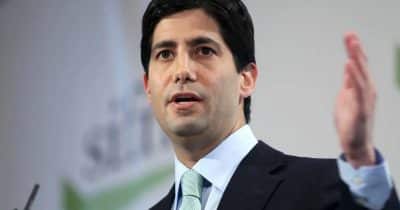
- Crypto· World
Bitcoin Surpasses $61,000 Amid Easing Inflation Concerns
Bitcoin's price has risen above $61,000 following comments from Fed Chair Kevin Warsh indicating that inflation risks have softened. This recovery comes after a recent dip below $58,000, reflecting a volatile trading environment as investors respond to economic signals. In the long term, as inflation fears ease, Bitcoin may attract continued investor interest, though volatility is expected to persist.
3 sourcesJul 4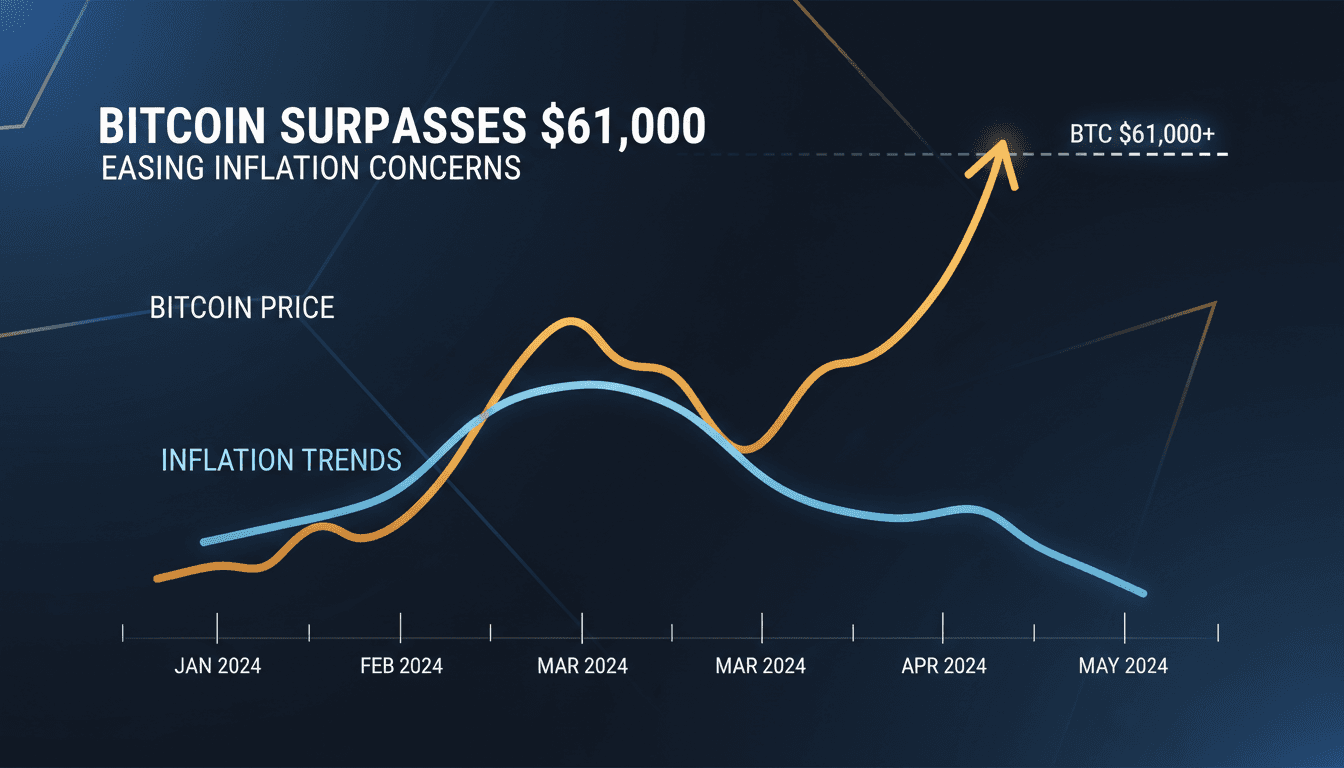
- Crypto· World
Ondo Finance launches first tokenized U.S. securities under regulatory compliance
Ondo Finance has achieved a significant milestone by launching the first live onchain deployment of tokenized U.S. securities, including BlackRock's iShares Core S&P 500 ETF and Micron shares. This development is driven by the increasing integration of blockchain technology within the existing U.S. regulatory framework. The long-term implication may lead to broader adoption of tokenized assets in regulated markets, transforming how securities are traded and managed.
3 sourcesJul 4
- Crypto· World
Ripple Joins Open USD Stablecoin Consortium with Major Financial Players
Ripple has joined the Open USD stablecoin consortium, which includes Visa, Mastercard, and BlackRock. This collaboration is occurring now as over 140 businesses aim to launch a U.S. dollar-pegged stablecoin later this year. The long-term implication is that this initiative could significantly reshape the stablecoin market and influence regulatory frameworks for digital currencies.
3 sourcesJul 4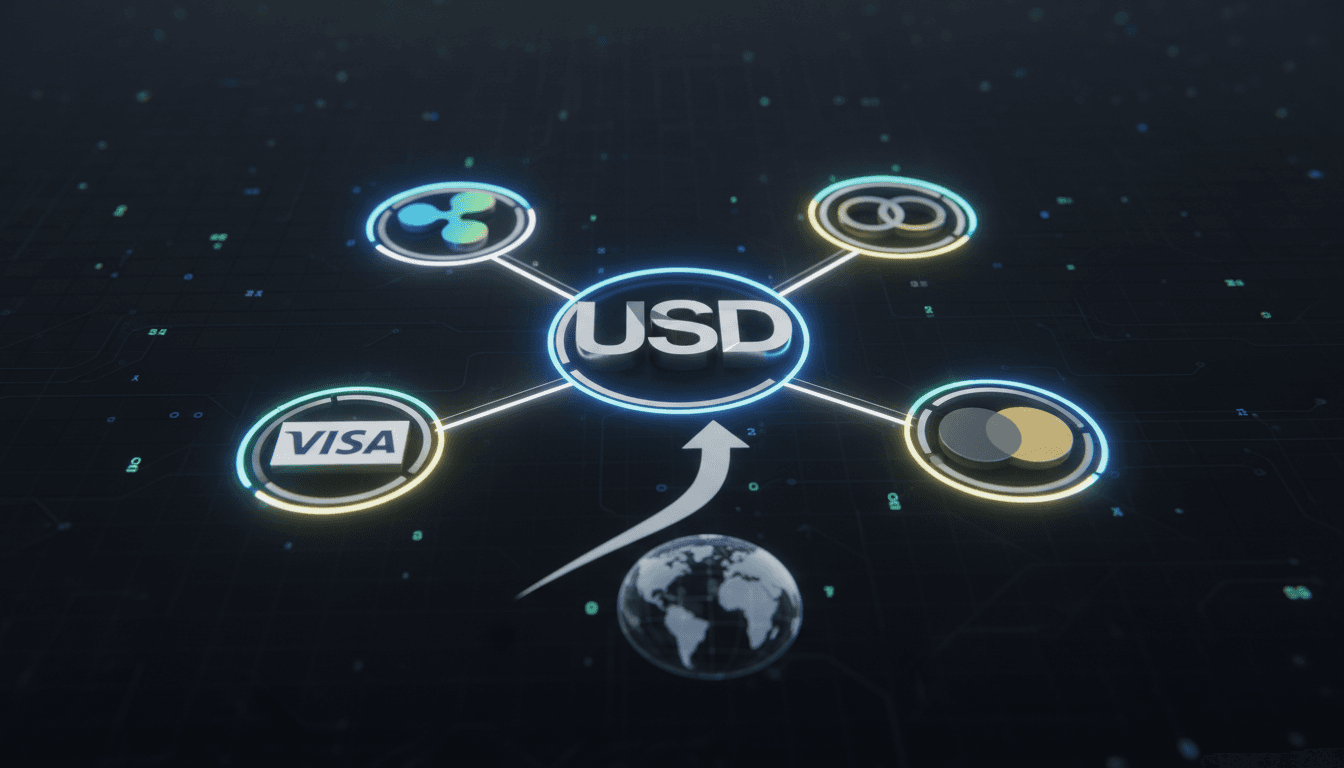
- Crypto· World
Binance Withdraws MiCA Application While Committing to EU Market Engagement
Binance has withdrawn its application for the EU's Markets in Crypto-Assets (MiCA) regulations but continues to engage with the regulatory framework. This decision comes as the company emphasizes the need for a focus on licensed entities to ensure market competitiveness and liquidity. In the long term, Binance's actions may influence the regulatory landscape and its operational strategies within the EU crypto market.
3 sourcesJul 4
- Crypto· World
XRP price rises to $1.11 amid bullish market sentiment and whale activity
XRP's price has increased to $1.11, marking a three-day high driven by positive market signals and heightened activity from large holders. This surge is occurring now due to Ripple's expansion in Europe and the emergence of a Supertrend buy signal. If XRP can break the critical $1.10 resistance level, it may attract more retail investors and signal a stronger recovery in the cryptocurrency market.
3 sourcesJul 4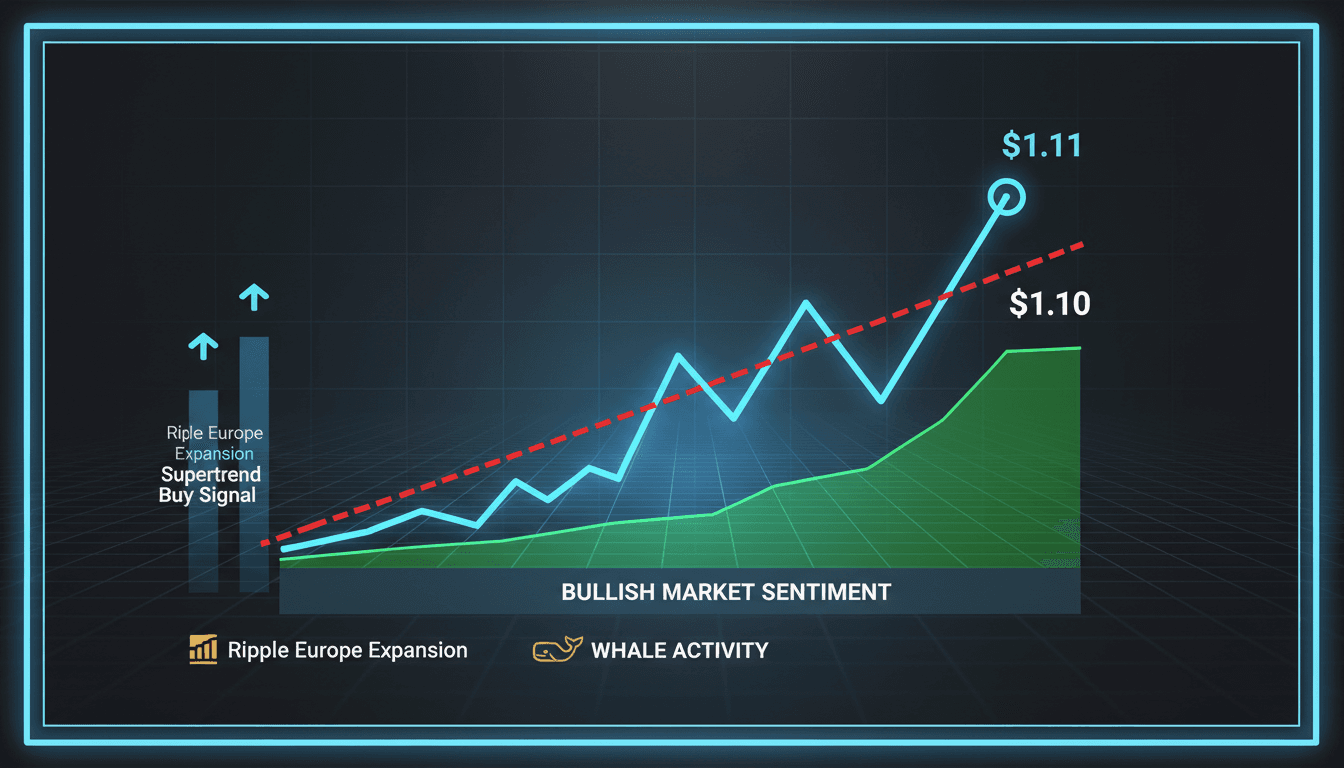
- Crypto· World
Ethereum Foundation publishes guide for institutional blockchain use and launches Ethereum Institutional
The Ethereum Foundation has released a guide aimed at enhancing the use of Ethereum in government and institutional settings while simultaneously launching Ethereum Institutional as a non-profit to promote adoption among financial firms. This strategic push is triggered by a growing demand for decentralized public blockchains in contrast to corporate-controlled networks. Long-term, these initiatives are likely to lead to increased integration of Ethereum into mainstream financial and governmental frameworks, influencing regulatory perspectives on blockchain technology.
6 sourcesJul 4
- Crypto· World
Standard Chartered Receives MiCA Passport Amid EU Crypto Regulation Update
Standard Chartered has been granted a MiCA passport as part of the European Securities and Markets Authority's recent update, which added 57 newly authorized crypto firms to its register. This significant milestone coincides with the conclusion of the EU's transition period for crypto regulations, allowing these firms to operate under a unified framework. The long-term implication is an expected increase in trust and investment in the European crypto market as more firms adapt to these regulations.
3 sourcesJul 4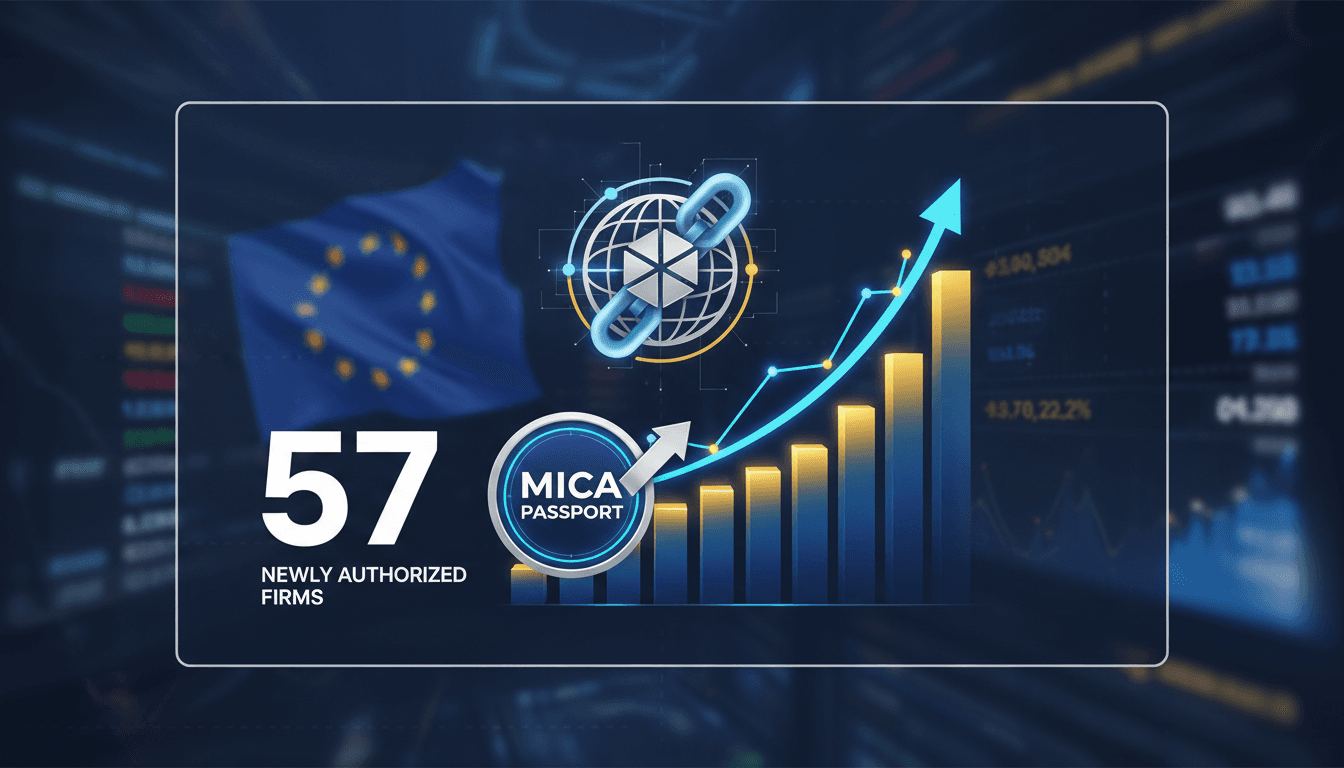
- Economy· World
South Korea's exports reach historic high driven by semiconductor demand
South Korea's exports surged 70.9% year-over-year in June 2026, achieving an unprecedented total of $102.25 billion. This remarkable growth is primarily fueled by a record $44.82 billion in chip shipments, reflecting the escalating global demand for semiconductor technology amid advancements in artificial intelligence. As South Korea solidifies its position in the semiconductor market, sustained export growth is anticipated, influencing global trade dynamics.
3 sourcesJul 4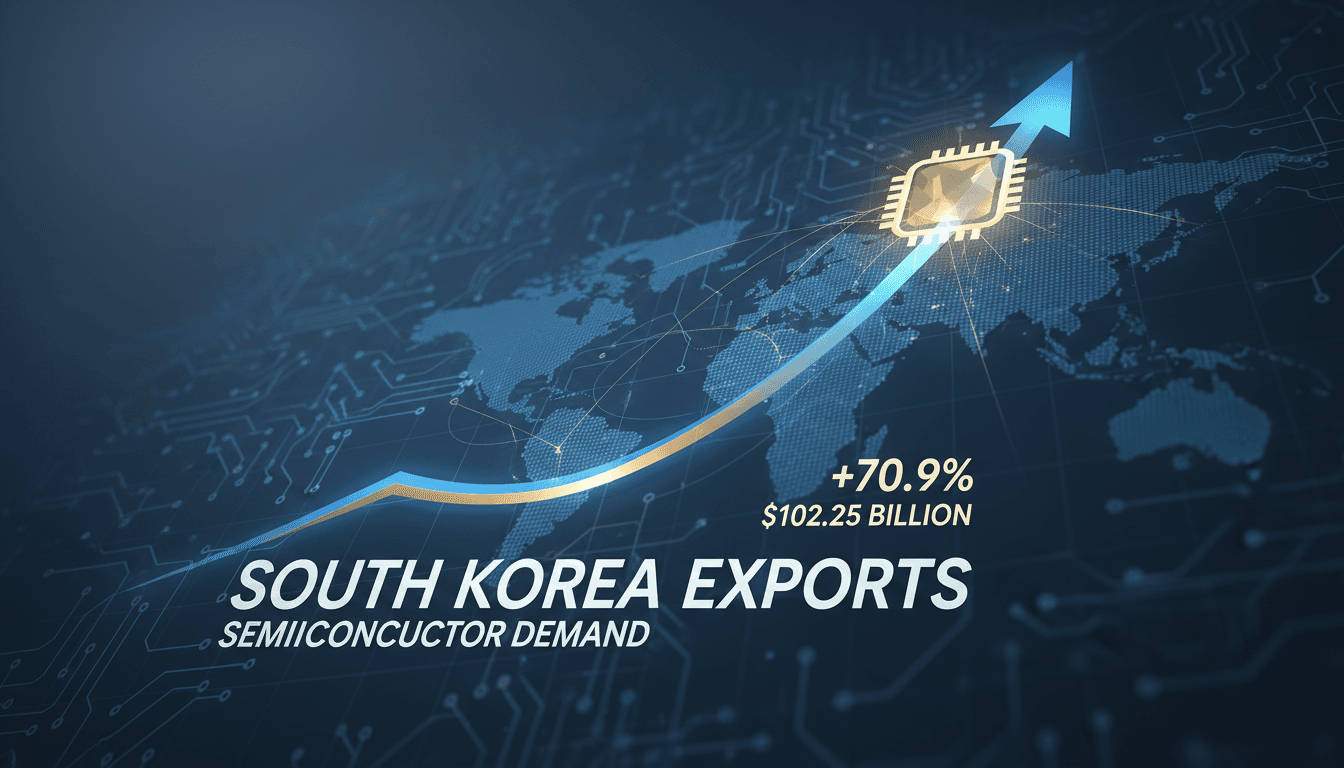
- Crypto· World
Solana's SOL token surpasses $80 amid rising investor interest in memecoins
Solana's SOL token has surged above $80, marking a significant recovery in its price. This increase is driven by heightened transaction activity on the Solana network and renewed interest in memecoins and prediction markets. If this momentum continues, it could lead to further price increases and attract more investors to the cryptocurrency market.
3 sourcesJul 4
- Business· World
South32 sells aluminum portfolio to Alcoa for $5.6 billion
South32 has agreed to sell its aluminum assets to Alcoa in a deal valued at up to $5.6 billion. This transaction coincides with the appointment of Matt Daley as the new CEO, marking a strategic shift for South32 towards focusing on copper and zinc. The long-term implication is that South32 aims to enhance its profitability by concentrating on more lucrative minerals in the evolving market landscape.
3 sourcesJul 4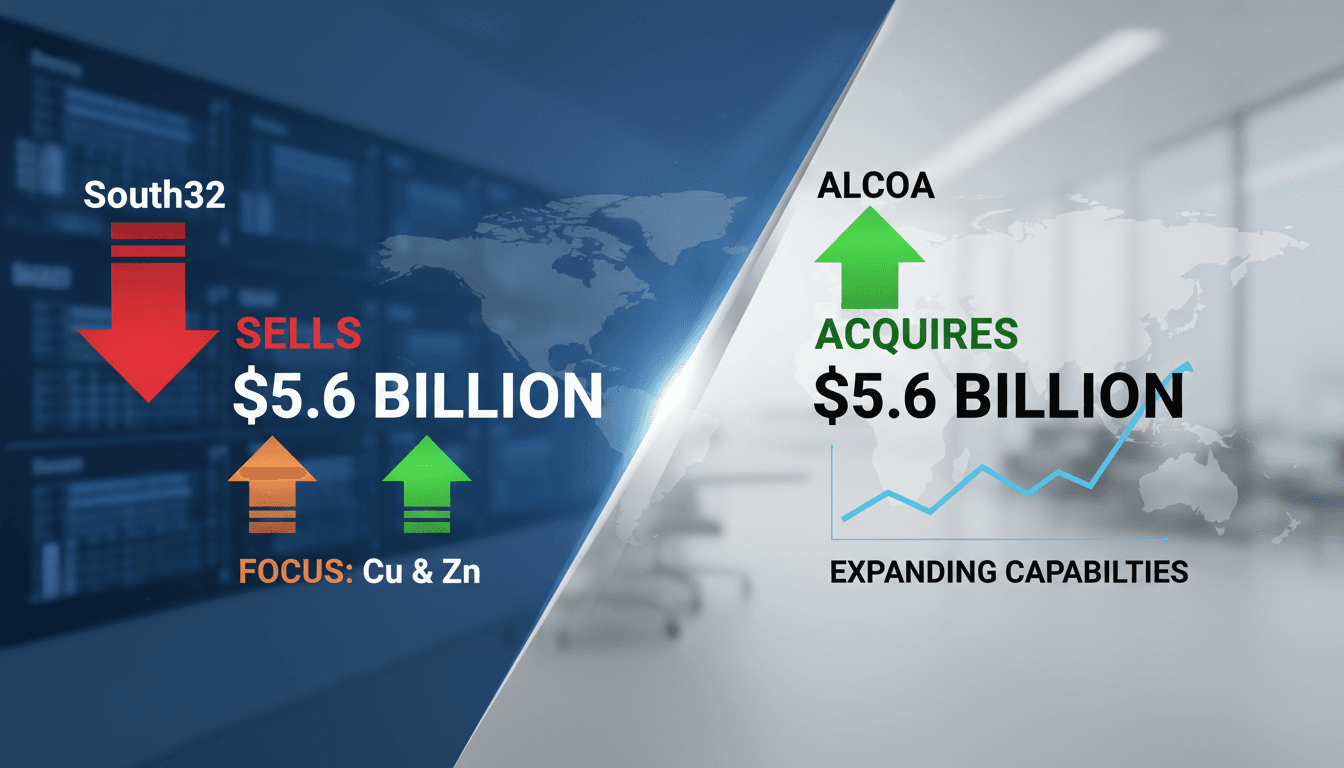
- Business· World
Ipsen acquires Memo Therapeutics for over $799 million
Ipsen has announced its acquisition of Swiss biotech company Memo Therapeutics for more than $799 million. This acquisition is part of Ipsen's strategy to fill gaps in its portfolio and follows a similar deal for Kartos Therapeutics. The long-term implication suggests that Ipsen will continue to pursue additional acquisitions to strengthen its market position in the biotech sector.
5 sourcesJul 4
- Business· World
Wayve Technologies files for share sale on London Stock Exchange's Private Securities Market
Wayve Technologies Ltd. has filed to sell shares on the London Stock Exchange's newly launched Private Securities Market. This move is driven by the company's aim to provide its employees with the opportunity to liquidate up to $85 million in shares, reflecting confidence in its growth. The success of this share sale could encourage more tech companies in the UK to explore private market options in the future.
3 sourcesJul 4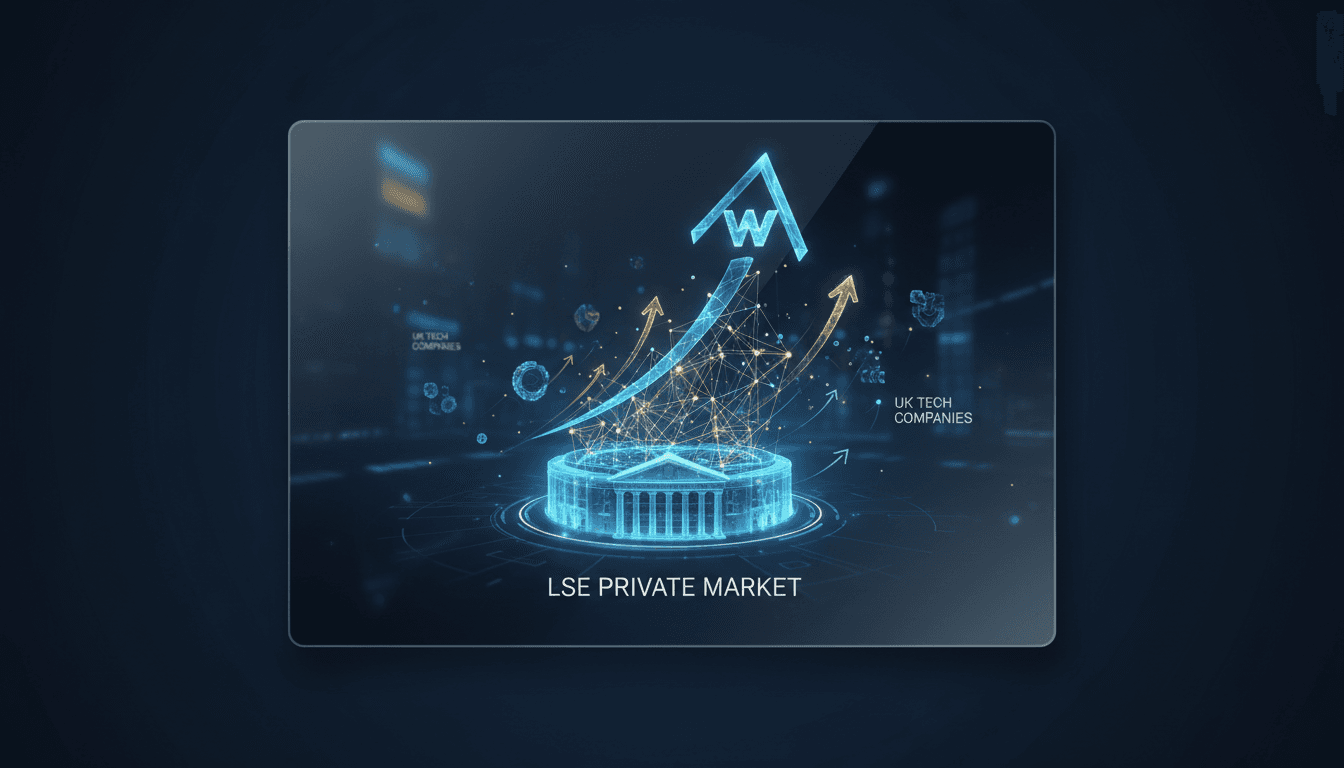
- Economy· World
U.S. crude oil inventories decline by 3.8 million barrels
U.S. crude oil inventories have decreased by 3.8 million barrels, bringing total stocks to 408.4 million barrels. This decline is driven by increased demand and reduced supply, resulting in inventory levels approximately 7% below the five-year average. The ongoing reduction in inventories is likely to exert upward pressure on oil prices, prompting market stakeholders to adjust their strategies accordingly.
4 sourcesJul 4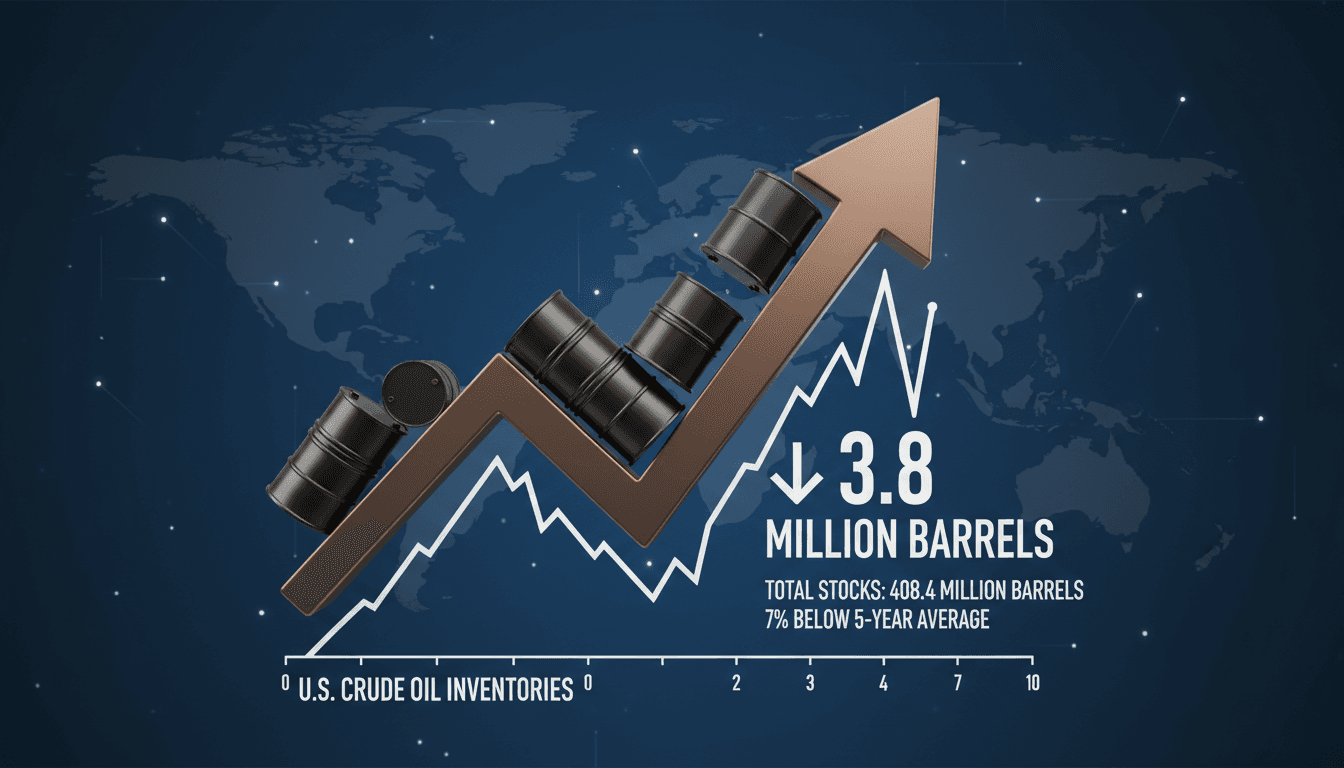
- Business· World
Robinhood expands financial services in Europe and UK with new trading options
Robinhood has launched perpetual futures in Europe and announced plans for crypto trading in the UK. This expansion is driven by the growing demand for continuous trading options in traditional finance. In the long term, Robinhood's initiatives may disrupt established financial institutions and attract a new user base seeking innovative trading solutions.
4 sourcesJul 4
- Economy· World
Japanese yen reaches 40-year low against US dollar amid rising Treasury yields
The Japanese yen has fallen to a 40-year low against the US dollar, prompting concerns about potential intervention by the Japanese government. This decline is attributed to a surge in US Treasury yields, which has bolstered the dollar's strength ahead of the upcoming US jobs report. As the dollar continues to strengthen, the Japanese government faces pressure to act, and the upcoming US jobs report could further sway market dynamics.
3 sourcesJul 4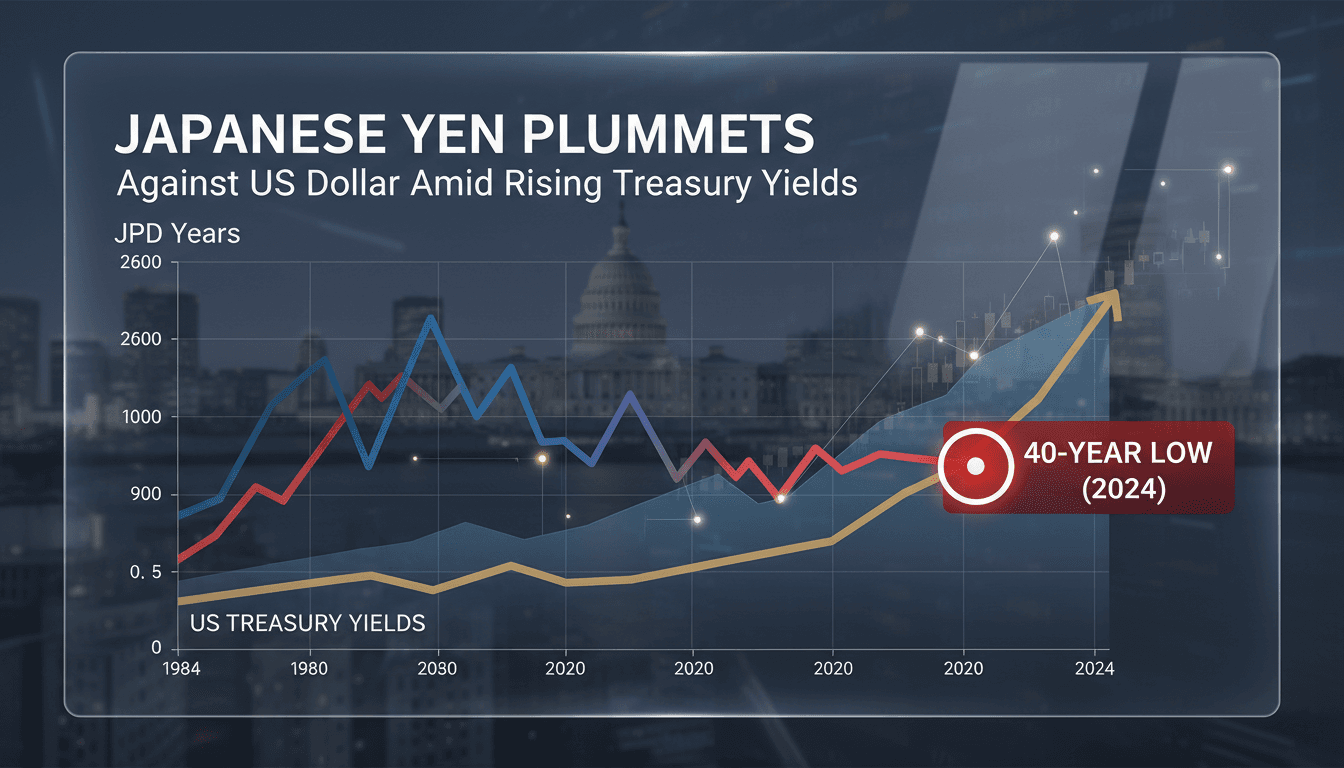
- Economy· World
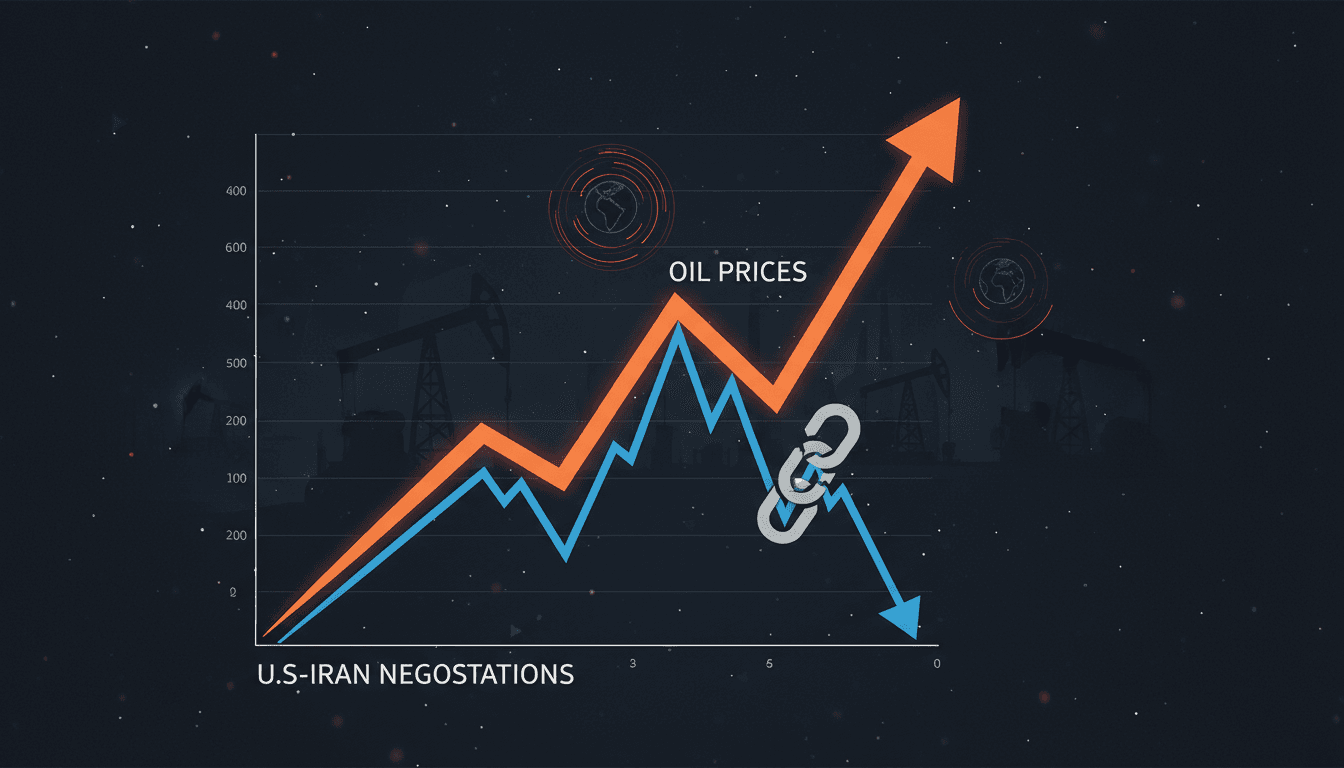
Oil prices rise amid U.S.-Iran negotiation breakdown
Oil prices have increased following a breakdown in negotiations between the U.S. and Iran, raising concerns about potential supply disruptions. This escalation in geopolitical tensions is occurring as high-level talks continue, but direct negotiations with Iran have not resumed. The long-term implication is that the outcome of these discussions will significantly influence global oil prices and market stability moving forward.
3 sourcesJul 4