Bio
Saqib is COO and co-founder at A47 AI, where he runs operations and leads the prediction-markets initiative. He covers crypto, Web3, and the decentralization of the sport and entertainment economy.
Editorial Responsibility
As A47's prediction-markets and crypto editor, I am responsible for our coverage of these markets and Web3 — ensuring it is grounded in real product, data, and revenue rather than speculation.
Previous experience · 14+ years
- · WPP Media (GroupM PK, Wavemaker PH)
- · MYCO
- · ARY Digital Network
Education
MBA Marketing, SZABIST
Areas of expertise
Categories overseen
Stories from Saqib Pathan’s desk
8502 stories- Business· World
AbbVie acquires Apogee Therapeutics for $10.9 billion
AbbVie has announced its acquisition of Apogee Therapeutics for approximately $10.9 billion in cash. This strategic move is driven by AbbVie's goal to enhance its portfolio in immunology and dermatology, particularly focusing on treatments for atopic dermatitis. The long-term implication is that AbbVie is likely to expand its market share in dermatological treatments and explore further opportunities in the immunology sector.
5 sourcesJun 25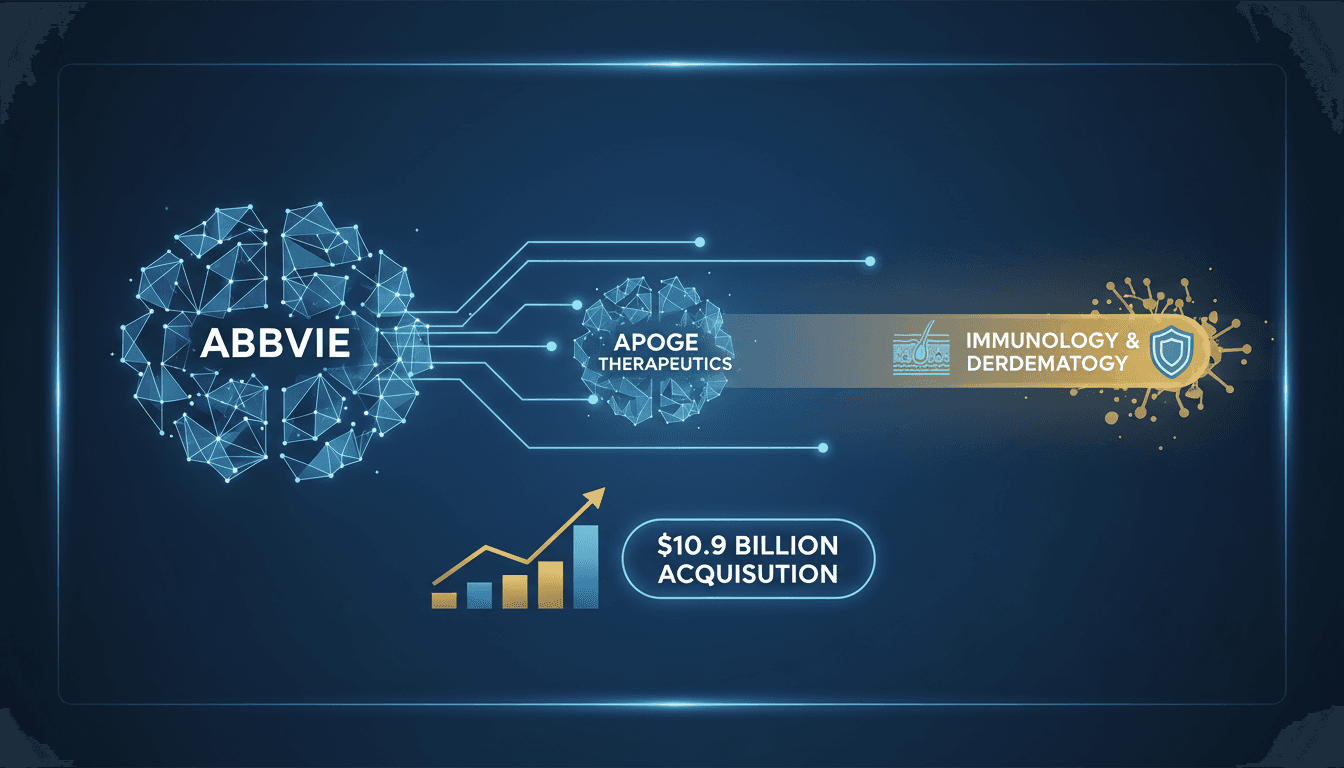
- Economy· World
Eurozone consumer confidence rises to -17.7 in June indicating recovery
The Eurozone's consumer confidence indicator has increased to -17.7 in June, marking a recovery from a three-year low of -20.0 in April. This improvement is attributed to potentially improving economic conditions that are influencing consumer sentiment positively. If this trend continues, it could lead to increased consumer spending, which is crucial for the Eurozone's economic recovery.
3 sourcesJun 25
- Business· World
Uber's board faces shareholder lawsuit over compliance failures related to passenger safety
Shareholders have filed a lawsuit against Uber's board for alleged poor oversight related to sexual assaults. The lawsuit is driven by claims that Uber's management has neglected compliance protocols, resulting in thousands of lawsuits. As the legal proceedings unfold, Uber may be compelled to enhance its compliance measures and improve passenger safety protocols to regain trust among users and investors.
3 sourcesJun 25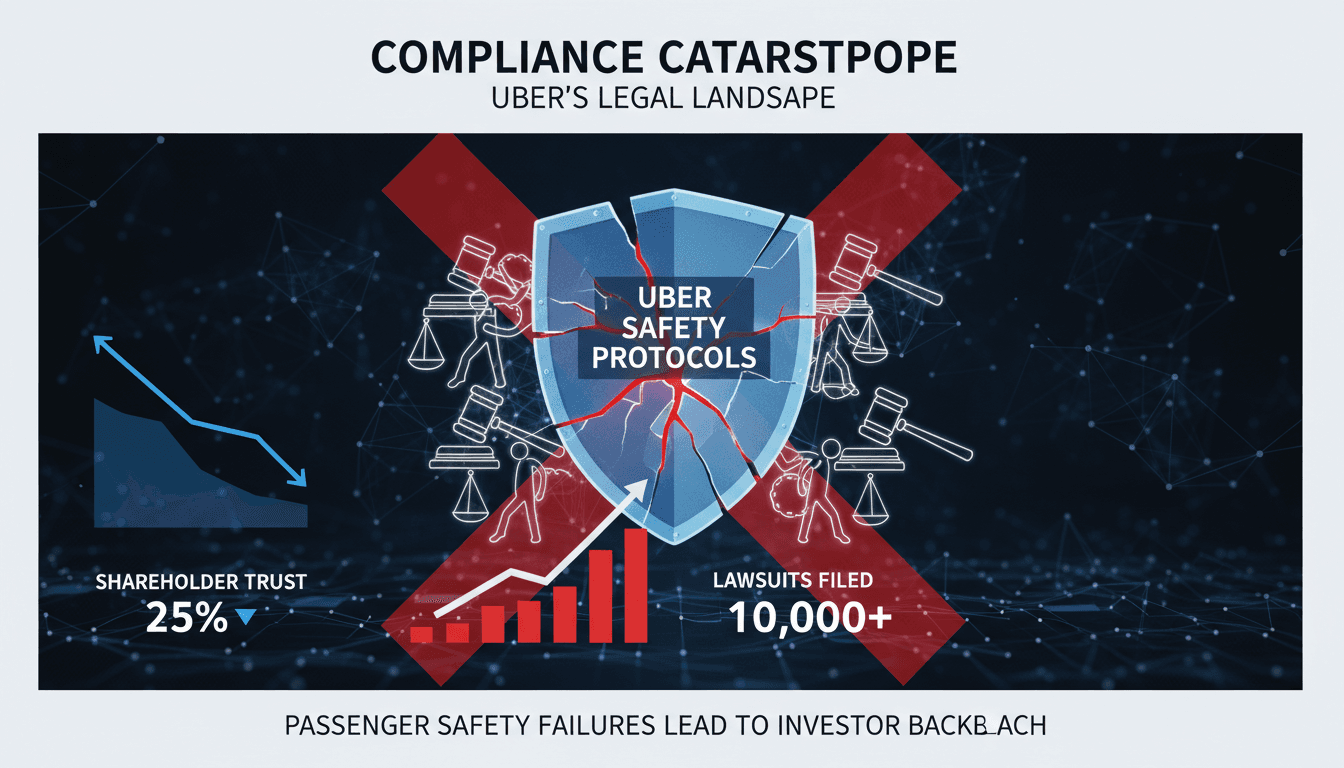
- Business· World
CRH acquires Arcosa for $8.5 billion in strategic construction materials deal
CRH has announced its acquisition of Dallas-based construction company Arcosa for approximately $8.5 billion. This all-cash deal is part of CRH's strategy to expand its operations and market share in the North American construction materials market. The acquisition is expected to reshape the competitive landscape and drive innovation within the industry.
4 sourcesJun 25
- Economy· World
Gold prices decline amid inflation concerns despite U.S.-Iran negotiation progress
Gold prices have fallen as inflation risks overshadow optimism surrounding ongoing U.S.-Iran peace talks. The immediate cause of this decline is the strength of the U.S. dollar, which is exerting downward pressure on gold prices. In the long term, the outcome of these negotiations could significantly influence gold market volatility and investor sentiment.
3 sourcesJun 25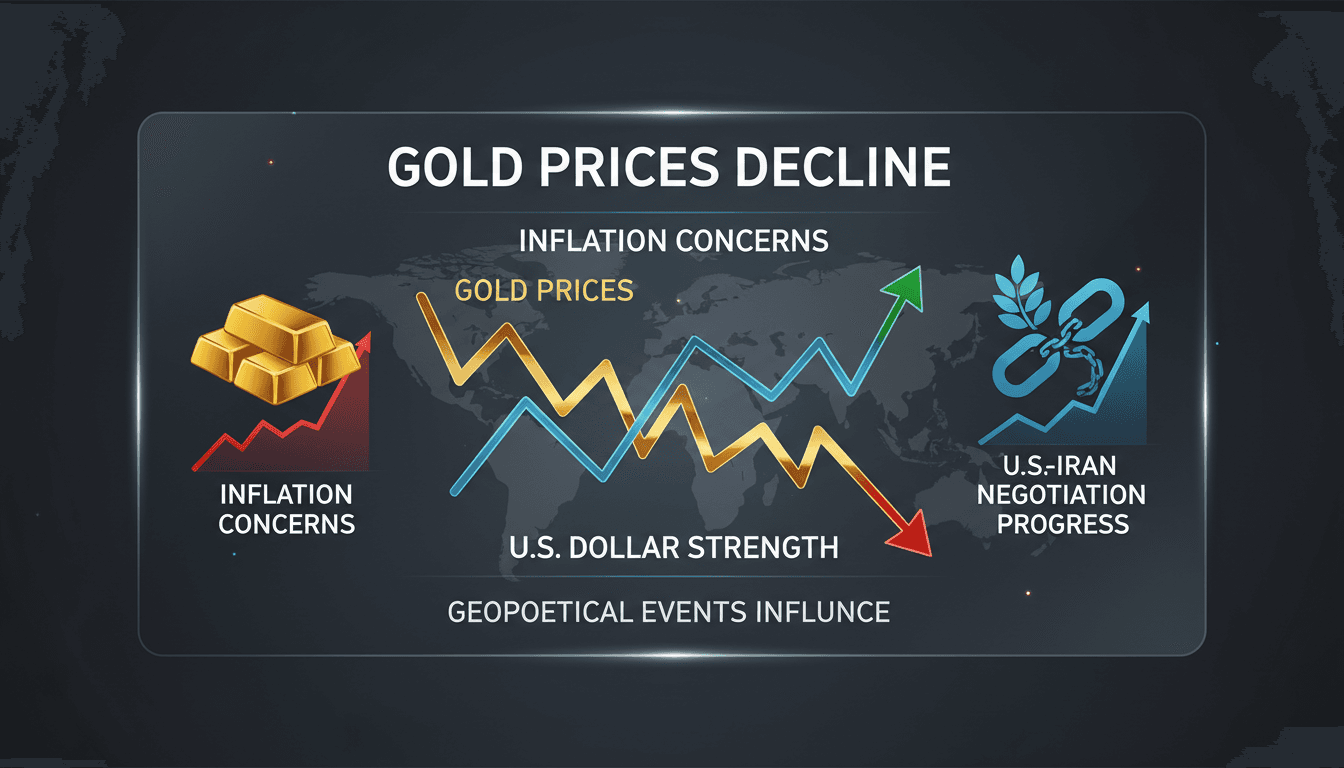
- Business· World
Ark Invest purchases $32.5 million in SpaceX shares amid stock decline
Ark Invest has acquired approximately $32.5 million in SpaceX shares following a significant drop in the company's stock price. This investment comes as SpaceX's stock has fallen over 16% from its recent highs, reflecting Ark's confidence in the company's long-term potential despite current volatility. The move signals a bullish outlook for SpaceX, potentially influencing investor sentiment in the tech and aerospace sectors.
3 sourcesJun 25
- Crypto· World
CFTC Approves Perpetual Futures Sparking Market Selloff and Legal Dispute
The Commodity Futures Trading Commission has approved perpetual futures, leading to a significant selloff in U.S. exchanges and the initiation of a lawsuit regarding their classification. This approval comes amid rising concerns over the risks associated with these new financial instruments and their regulatory clarity. The outcome of the ongoing legal challenges will likely shape the future landscape of cryptocurrency and derivatives trading.
3 sourcesJun 25
- Economy· World
Japan and US Discuss Yen Weakness Amid Intervention Concerns
Japanese Finance Minister Satsuki Katayama and US Treasury Secretary Scott Bessent held talks focusing on the yen's significant depreciation. The discussions come as the yen approaches its weakest level in 40 years, raising alarms among currency traders about potential market intervention. This situation may lead to strategic shifts in currency policies that could impact both Japanese and global financial markets in the long term.
3 sourcesJun 25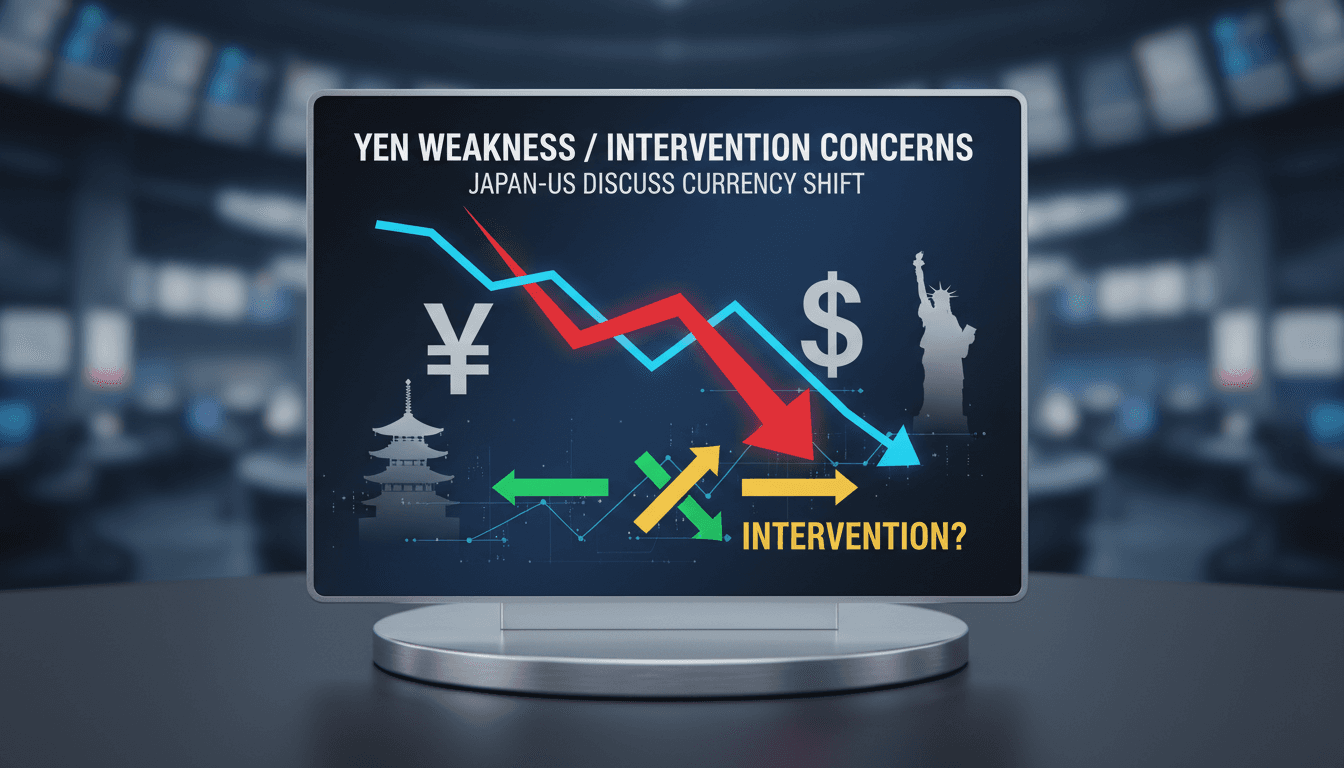
- Business· World
Robinhood plans $2 billion convertible bond offering amid stock price decline
Robinhood Markets Inc. has announced a $2 billion convertible bond offering, leading to a 2.2% drop in its stock price. The offering, which is being led by Goldman Sachs and JPMorgan, reflects investor skepticism about the company's financial health at this moment. This move may indicate a broader trend in the tech sector as companies seek alternative financing methods to bolster their positions amidst market uncertainties.
4 sourcesJun 25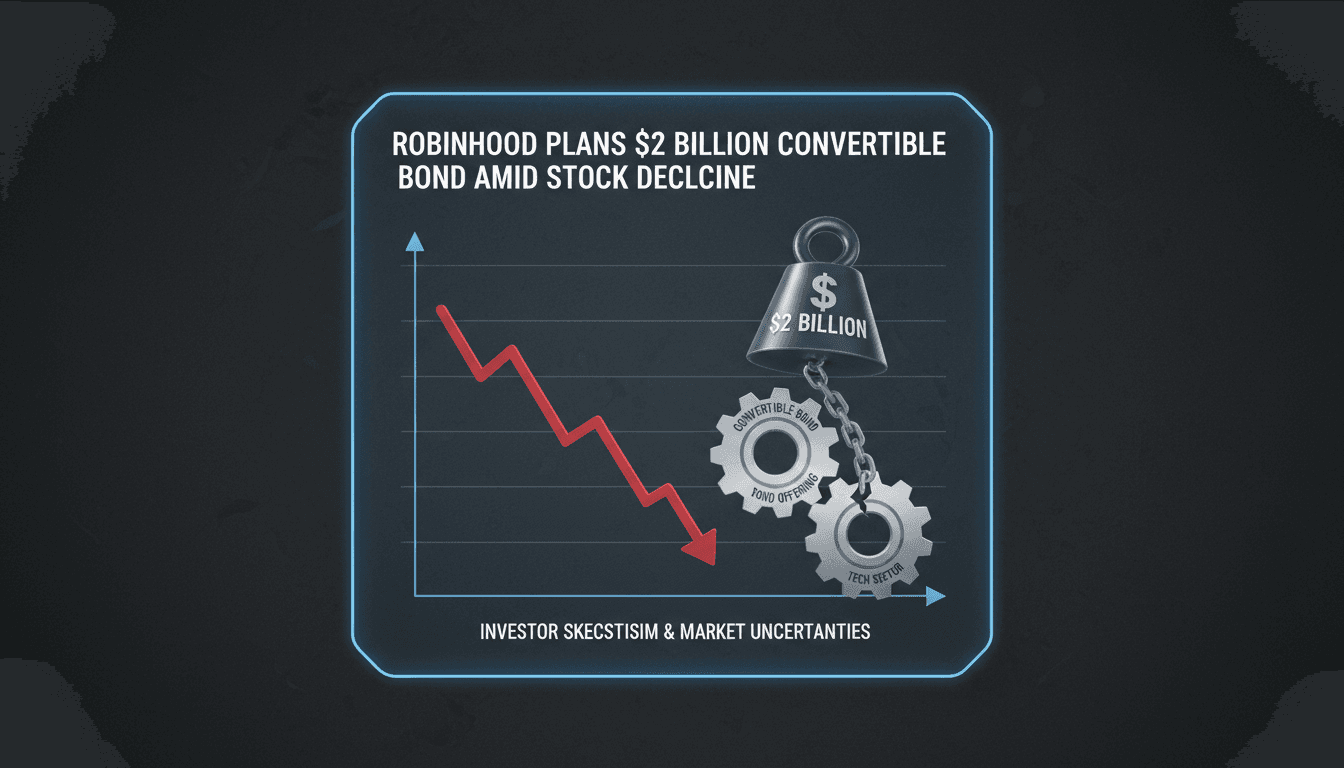
- Economy· World
U.S. natural gas futures decline amid cooler weather forecasts and reduced LNG exports
U.S. natural gas futures fell as cooler weather forecasts emerged and LNG export flows decreased. The immediate cause of this decline is the expectation of reduced demand for gas-fired electricity due to cooler temperatures. In the long term, market participants will closely monitor weather patterns and LNG export trends to gauge future price movements in the natural gas market.
3 sourcesJun 25
- Business· World
Polymarket faces allegations of staging fake trades to mislead users
Polymarket is under scrutiny for allegedly staging fake trades and promoting them through social media influencers. This situation has arisen following a Wall Street Journal investigation that uncovered the deceptive marketing practices employed by the platform. The long-term implications may include regulatory investigations and a significant loss of user trust, potentially jeopardizing Polymarket's future operations.
3 sourcesJun 25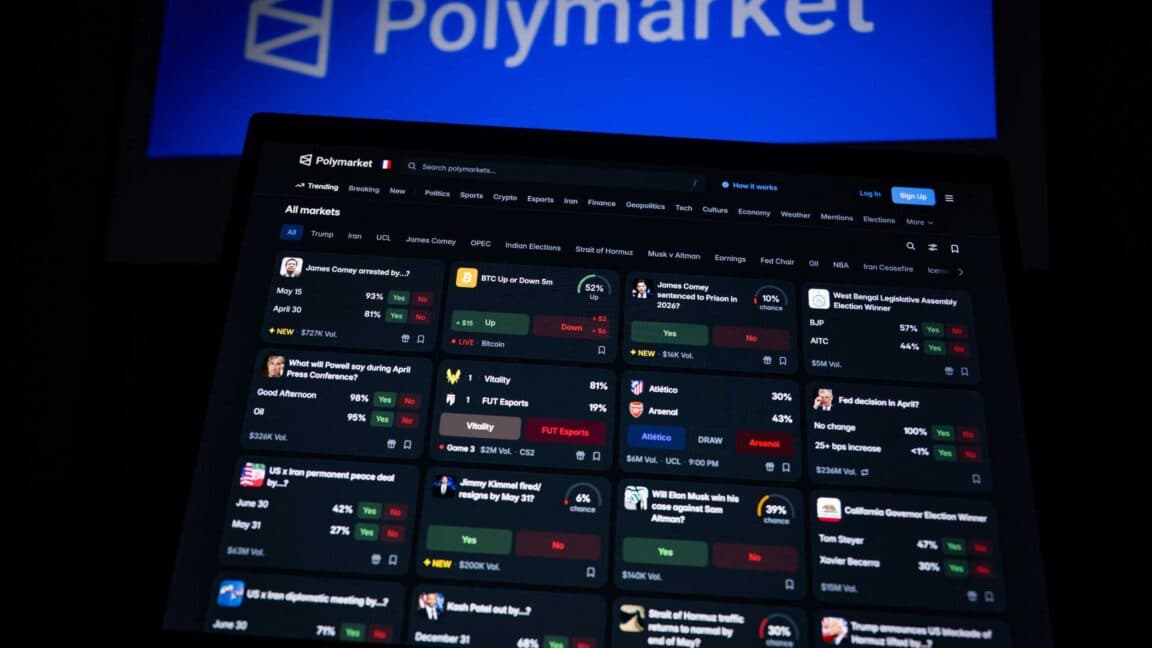
- Business· World
FAA awards $875 million contract to Air Space Intelligence for AI-driven air traffic management
The FAA has awarded a significant $875 million contract to Air Space Intelligence to develop artificial intelligence tools aimed at enhancing air traffic management. This initiative is triggered by the urgent need to modernize the U.S. air traffic system and reduce flight delays through advanced predictive analytics. In the long term, this investment is expected to transform flight operations, leading to improved efficiency and passenger experiences in aviation.
3 sourcesJun 25
- Business· World
Hertz Global Holdings Inc. stock plummets 41% following profit warning and debt issuance plans
Hertz Global Holdings Inc. has reported a 41% drop in stock value after issuing a profit warning and announcing plans to issue new debt. This drastic decline is attributed to disappointing demand in the used-car market, which has negatively impacted the company's earnings outlook. The long-term implications suggest that Hertz's recovery will depend on improvements in the used-car market and the successful execution of its funding strategy.
3 sourcesJun 25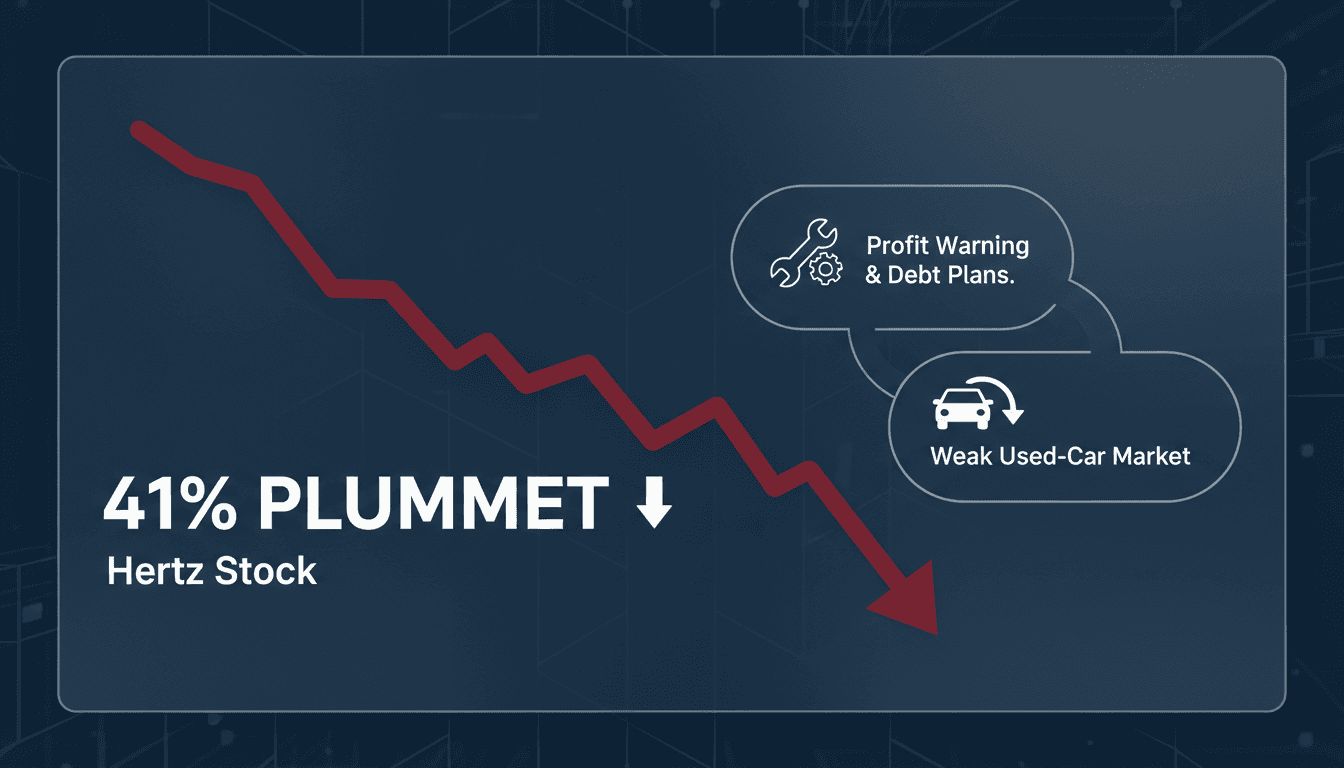
- Economy· World
Iran boosts crude oil exports leading to global price drop
Iran has significantly increased its crude oil exports, resulting in lower oil prices and discounted cargo sales. This surge follows Iran's recent clearance to sell crude oil in dollars, enhancing its market position despite ongoing sanctions. The long-term implication may involve increased volatility in global oil markets as other producers react to Iran's pricing strategies.
3 sourcesJun 25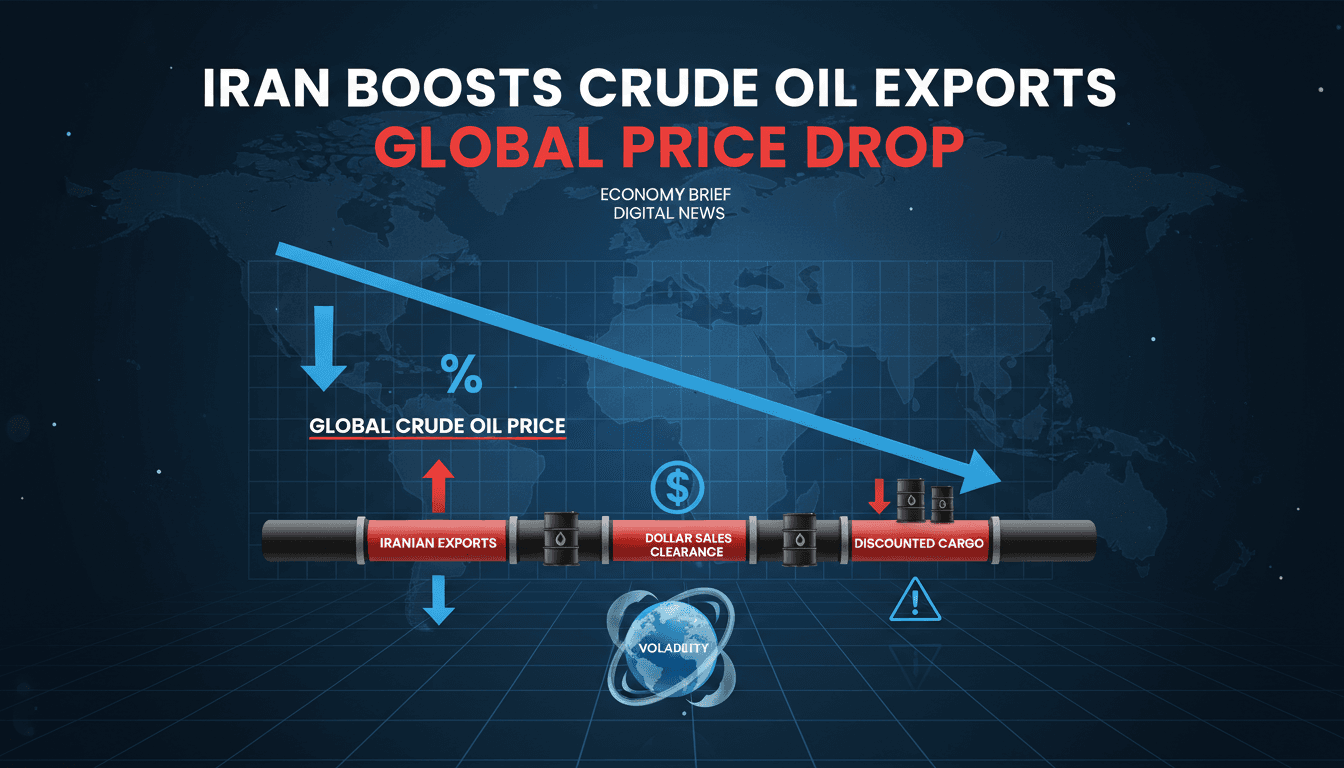
- Business· World
SpaceX launches first investment-grade bond sale to fund AI initiatives
SpaceX has initiated its first investment-grade bond offering, targeting $20 billion to support its artificial intelligence projects. This move comes on the heels of a record $75 billion IPO and reflects a broader trend of increased borrowing in the AI sector. The success of this bond sale could encourage more tech companies to pursue similar funding strategies in the future.
3 sourcesJun 25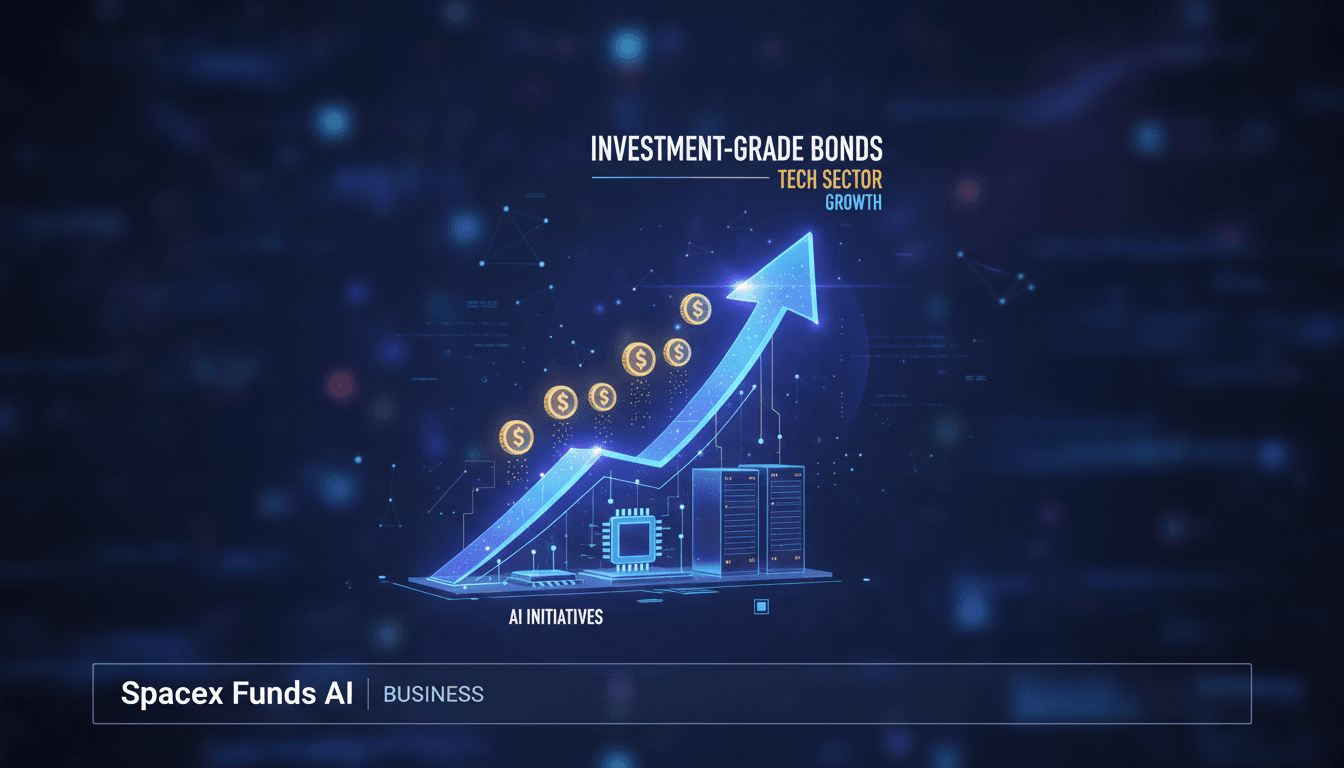
- Business· World
Apollo Global Management Limits Withdrawals Amid Surge in Redemption Requests
Apollo Global Management's flagship private credit fund has imposed a 5% cap on withdrawal requests following a significant wave of investor redemptions. This decision comes as investors seek to withdraw 17% of their capital, raising concerns about the fund's liquidity and the broader private credit market. In the long term, this situation may lead to increased scrutiny of private credit funds and potential regulatory changes in the industry.
3 sourcesJun 25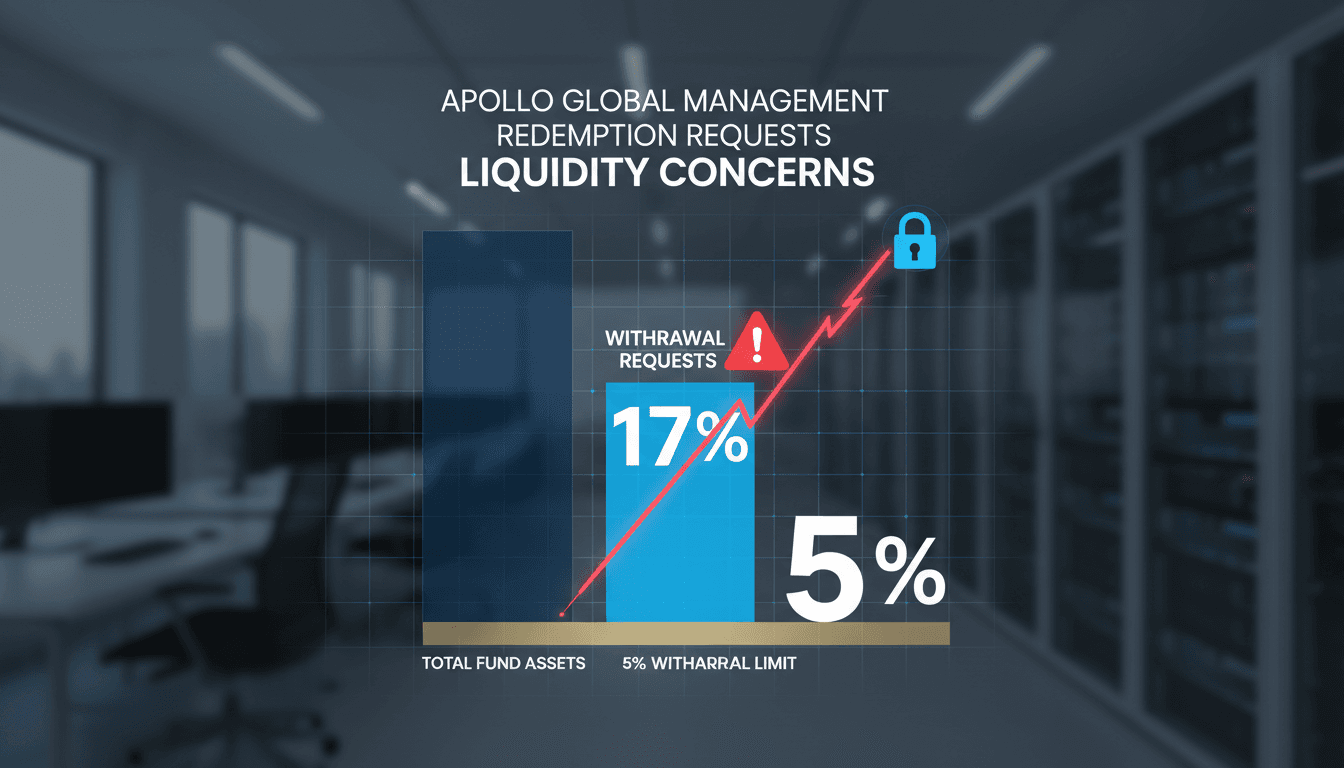
- Business· World
Micron Technology reports record Q3 FY2026 revenue of $41.5 billion
Micron Technology has announced a record revenue of $41.5 billion for Q3 FY2026, reflecting a 346% year-over-year increase. This surge is attributed to robust demand for memory products and significantly higher gross margins than expected. The strong financial results position Micron to capitalize on ongoing trends in the semiconductor market, suggesting a favorable outlook for future performance.
3 sourcesJun 25
- Economy· World
Gold prices fall below $4,000 per ounce for the first time since November
Gold has dropped below the $4,000 per ounce mark for the first time since November. This decline is driven by a stronger US dollar and rising expectations of interest rate hikes. The long-term implication suggests that investors may continue to reassess their positions in gold as a hedge against inflation and currency fluctuations.
3 sourcesJun 25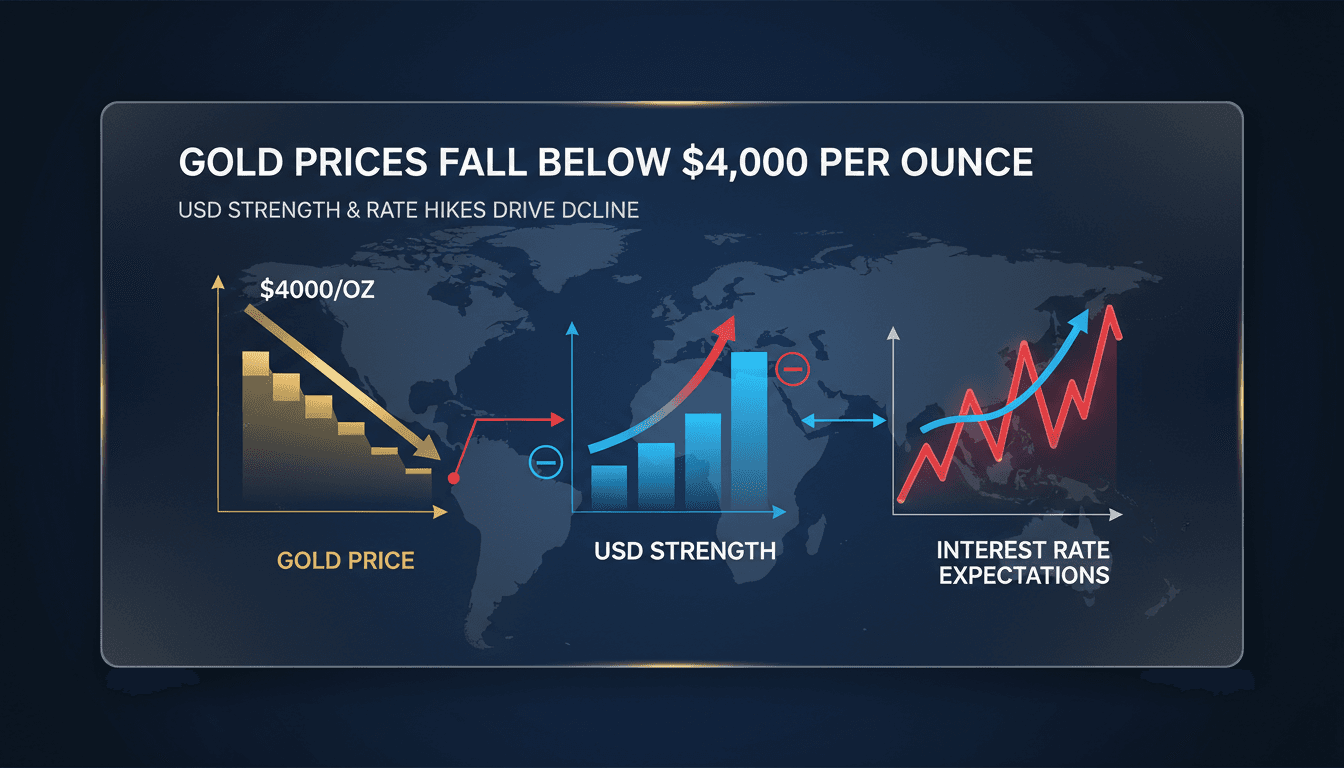
- Business· MENA
Meta appoints Kunal Shah as new head of WhatsApp amid $900 million investment in Cred
Meta has appointed Kunal Shah as the new head of WhatsApp, replacing Will Cathcart. This leadership change coincides with Meta's significant $900 million investment in Shah's fintech startup, Cred, highlighting a strategic focus on the Indian market. The move is expected to enhance WhatsApp's payment capabilities, potentially reshaping the competitive landscape of messaging and fintech in India.
4 sourcesJun 25
- Economy· World
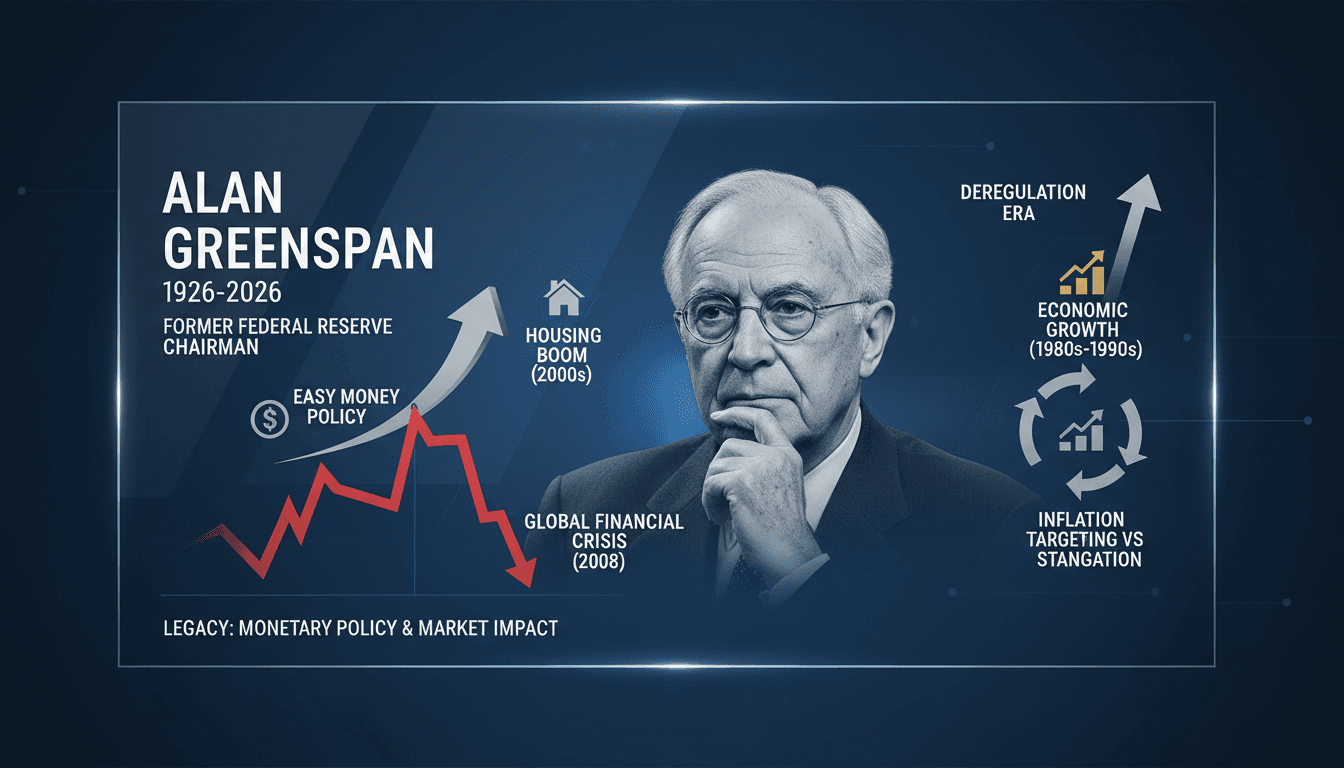
Alan Greenspan, former Federal Reserve Chairman, dies at 100
Alan Greenspan passed away on June 22, 2026, due to complications from Parkinson's disease. His death comes at a time when discussions about the legacy of central banking and economic policy are increasingly relevant. The long-term implication is a renewed examination of his influence on modern monetary policy and its impact on current economic challenges.
4 sourcesJun 25