Bio
Saqib is COO and co-founder at A47 AI, where he runs operations and leads the prediction-markets initiative. He covers crypto, Web3, and the decentralization of the sport and entertainment economy.
Editorial Responsibility
As A47's prediction-markets and crypto editor, I am responsible for our coverage of these markets and Web3 — ensuring it is grounded in real product, data, and revenue rather than speculation.
Previous experience · 14+ years
- · WPP Media (GroupM PK, Wavemaker PH)
- · MYCO
- · ARY Digital Network
Education
MBA Marketing, SZABIST
Areas of expertise
Categories overseen
Stories from Saqib Pathan’s desk
8502 stories- Economy· World
U.S. Treasury Issues Temporary License for Iranian Oil Sales
The U.S. Treasury Department has authorized a temporary 60-day license for the sale of Iranian oil. This decision coincides with ongoing diplomatic negotiations between the U.S. and Iran, aimed at stabilizing the region. The long-term implication is a potential shift in global oil supply dynamics and pricing as Iranian exports increase.
3 sourcesJun 25
- Business· World
Agility to Go Public Through $2.5 Billion SPAC Deal
Agility has announced its plans to go public via a SPAC deal valued at $2.5 billion. This move is driven by the increasing interest of technology firms in public listings for capital amidst valuation uncertainties. The successful IPO could influence further investments in robotics and automation technologies in the long term.
5 sourcesJun 24
- Business· World
Elon Musk loses trillionaire status as tech stocks decline
Elon Musk's net worth has fallen to approximately $957.1 billion, resulting in the loss of his trillionaire status. This decline is triggered by significant drops in the stock prices of SpaceX and Tesla amid shifting market sentiment towards tech valuations. The long-term implication may involve continued volatility in the tech sector, affecting investor confidence and Musk's financial future.
3 sourcesJun 24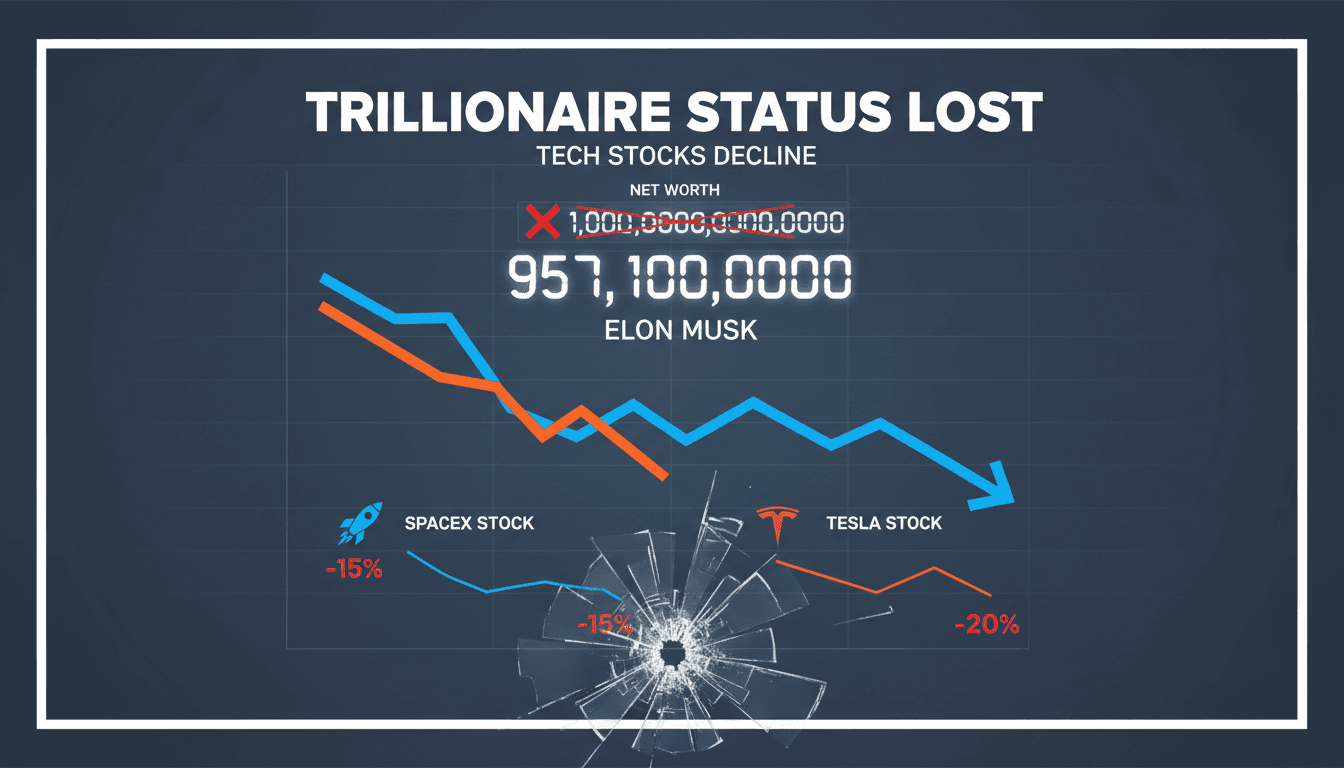
- Business· World
EU Aviation Safety Agency mandates urgent inspections for Airbus A380 wings
The European Union Aviation Safety Agency has ordered immediate inspections for Airbus A380 aircraft due to potential wing cracks. This directive comes after structural concerns were identified, particularly affecting airlines like Emirates and Qantas. The long-term implication may involve heightened scrutiny and changes in aircraft maintenance protocols across the aviation industry.
7 sourcesJun 24
- Economy· World
Pakistan's mango exports decline amid ongoing Middle East crisis
Pakistan's mango exports are experiencing a significant decline due to the ongoing crisis in the Middle East. This situation is exacerbated by geopolitical tensions that are disrupting trade and reducing demand for Pakistani mangoes. If the conflict persists, Pakistan's agricultural sector may face prolonged challenges, leading to further economic strain and shifts in export strategies.
3 sourcesJun 24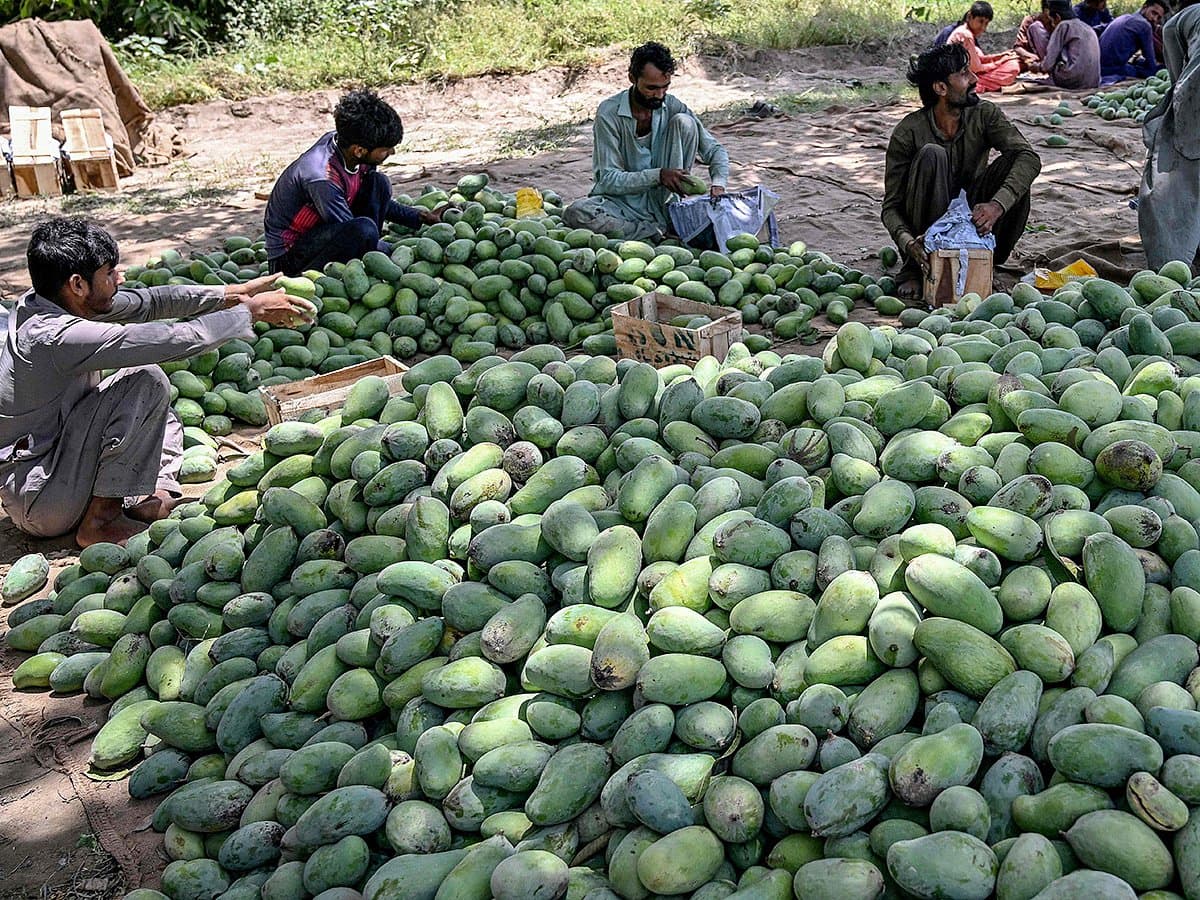
- Business· UAE
Dubai RTA completes 30% of dedicated bus and taxi lane expansion project
Dubai's Roads and Transport Authority has completed 30% of a project to expand dedicated bus and taxi lanes across six major streets. This initiative is driven by the need to enhance public transport efficiency and reduce travel times, aligning with Dubai's sustainability goals. Long-term, the project is expected to significantly increase public transport usage and improve the overall quality of life in the emirate.
3 sourcesJun 24
- Business· UAE
Dubai launches DEWA International to expand global energy and water infrastructure
Dubai has established DEWA International, a subsidiary of the Dubai Electricity and Water Authority, to develop energy projects worldwide. This initiative is driven by the growing global demand for energy and water infrastructure, projected to exceed USD 20 trillion by 2035. The long-term implication is that DEWA International will enhance Dubai's influence in the global energy market and contribute to sustainable development initiatives worldwide.
4 sourcesJun 24
- Business· MENA
Explosion at Qatar's Ras Laffan Factory Injures 54 and Leaves 18 Missing
An explosion occurred at a factory in the Ras Laffan industrial area of Qatar, resulting in 54 injuries and 18 individuals unaccounted for. The incident was triggered by a technical malfunction, prompting immediate emergency responses. This event raises significant concerns about safety protocols in Qatar's critical energy sector and may lead to stricter regulations and oversight in industrial operations.
3 sourcesJun 24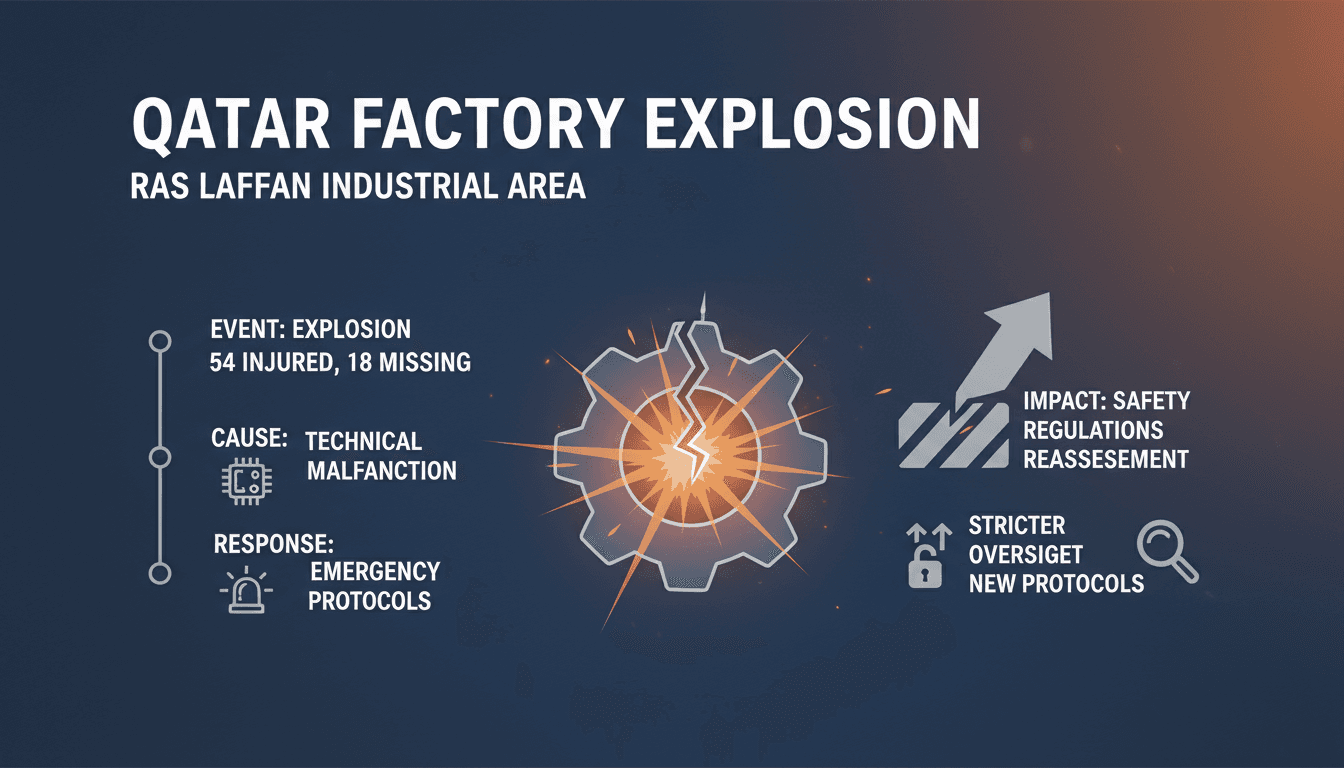
- Economy· MENA
Saudi Arabia reports 10.6% year-on-year increase in business operating revenues for April 2026
Saudi Arabia's short-term business operating revenues rose by 10.6% year-on-year in April 2026, driven by strong performances in mining and manufacturing. This growth is occurring despite a 3.8% monthly decline from March 2026, primarily due to contractions in industrial activities. The long-term implication suggests a need for careful monitoring of economic indicators to ensure sustainability amidst potential volatility.
3 sourcesJun 24
- Business· UAE
Dubai ranks fifth globally in city brand value reaching nearly AED1 trillion
Dubai's brand value has surged to nearly AED1 trillion, placing it among the top five city brands globally. This achievement is largely attributed to the contributions of Digital Dubai, which accounted for approximately AED31 billion. As Dubai continues to enhance its digital infrastructure, it is expected to attract more investment and strengthen its global competitiveness further.
4 sourcesJun 24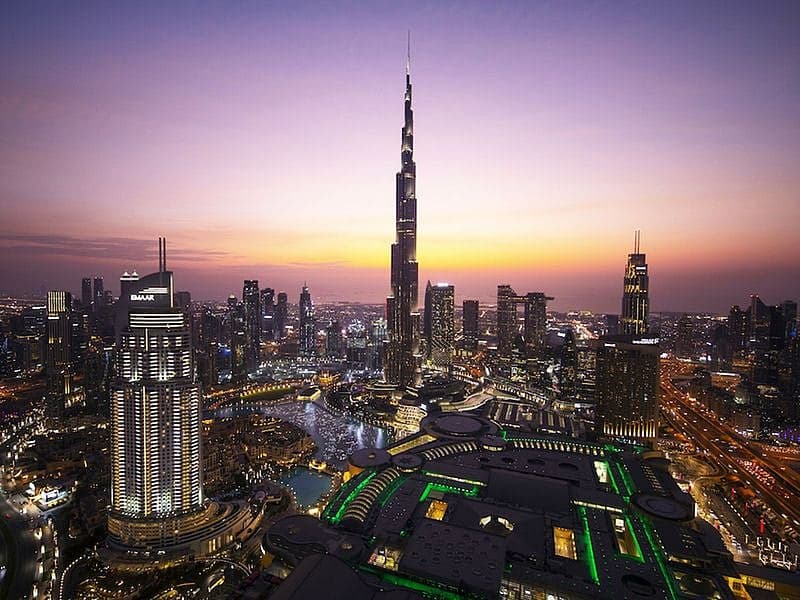
- Business· MENA
Majid Al Futtaim launches $3.1 billion urban development project in New Cairo
Majid Al Futtaim has signed a $3.1 billion deal for an urban development project in New Cairo, Egypt, which will include 6,000 residential units. This initiative is triggered by the growing demand for housing in the region and reflects ongoing economic development efforts in Egypt. The successful execution of this project could attract further foreign investments and enhance the country's economic landscape in the long term.
3 sourcesJun 24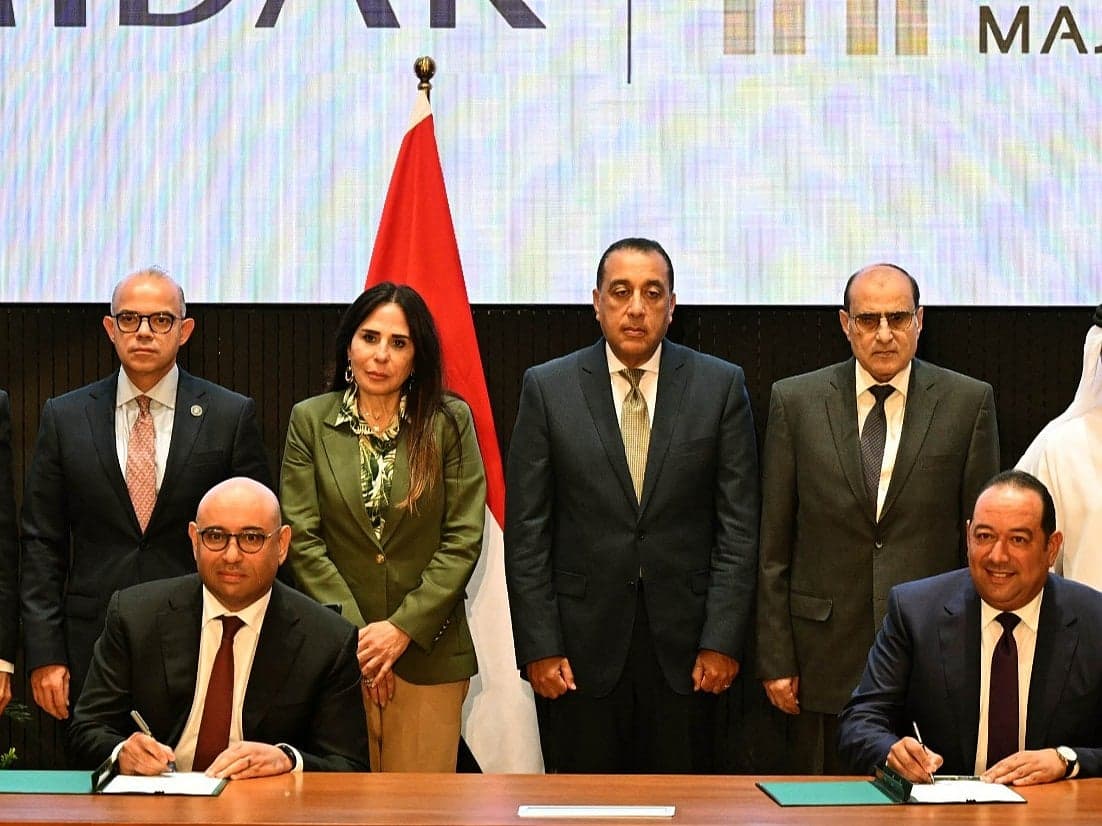
- Economy· MENA
Saudi Arabia's construction cost index rises by 2.6% year-on-year in May 2026
The construction cost index in Saudi Arabia increased by 2.6% in May 2026 compared to May 2025. This rise is primarily driven by higher operational costs associated with heavy machinery and construction services amid global supply chain disruptions. The long-term implication suggests that the construction industry may need to implement cost-saving measures to maintain project viability as costs continue to rise.
3 sourcesJun 24
- Business· MENA
Air India to Launch Direct Flights from Guwahati to Dubai and Abu Dhabi in 2026
Air India has announced the initiation of direct flights from Guwahati to Dubai and Abu Dhabi starting in August 2026. This development is triggered by the airline's strategy to enhance connectivity between India's north-eastern region and the UAE. The long-term implication is expected to be a boost in tourism and business travel, fostering stronger economic ties between India and the UAE.
3 sourcesJun 24
- Business· UAE
Dubai completes 17 kilometers of road rehabilitation and advances public transport lanes
Dubai has completed 17 kilometers of road rehabilitation and achieved 30% completion of a 14.5-kilometer dedicated bus and taxi lane project. These initiatives are part of Dubai's broader strategy to enhance transportation efficiency and public safety amid growing urban demands. The ongoing infrastructure improvements are expected to significantly enhance urban mobility and quality of life for residents in the long term.
4 sourcesJun 24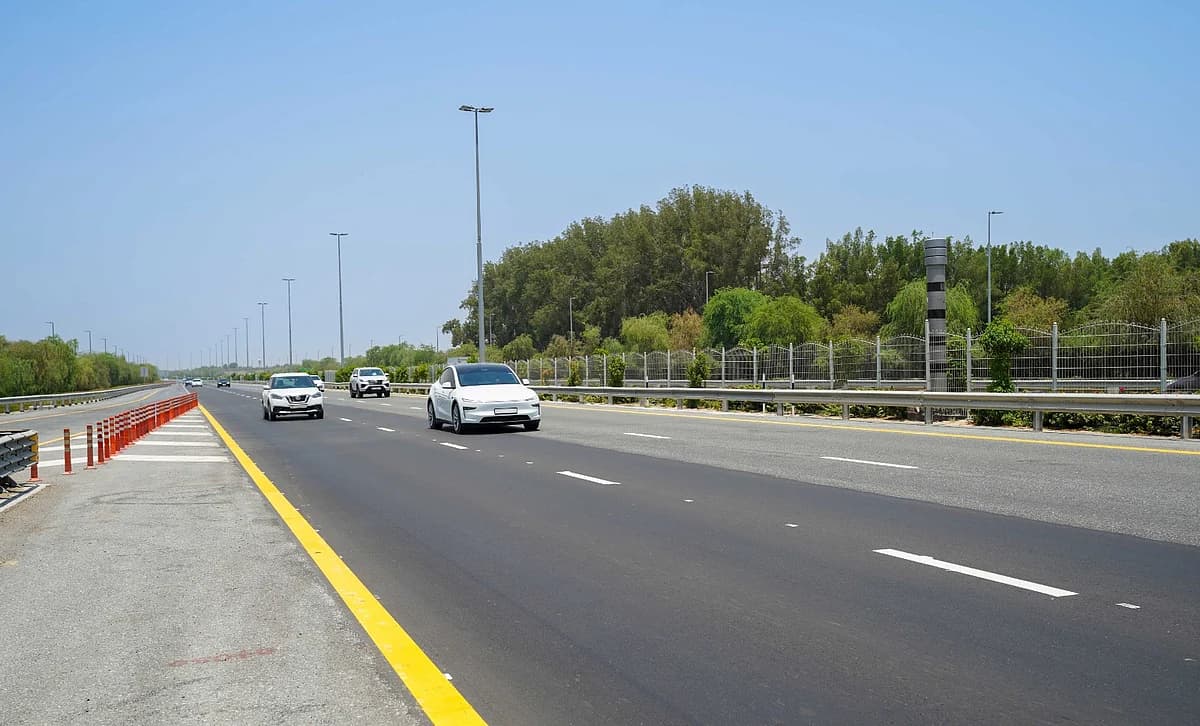
- Crypto· World
Ethereum MEV bot exploited for $7.5 million highlighting security vulnerabilities
The JaredFromSubway MEV bot was exploited for $7.5 million due to a malicious transaction approval trap. This incident occurred as automated trading systems face increasing scrutiny over their security protocols. In the long term, this may lead to enhanced security measures and regulatory responses within the cryptocurrency market.
4 sourcesJun 24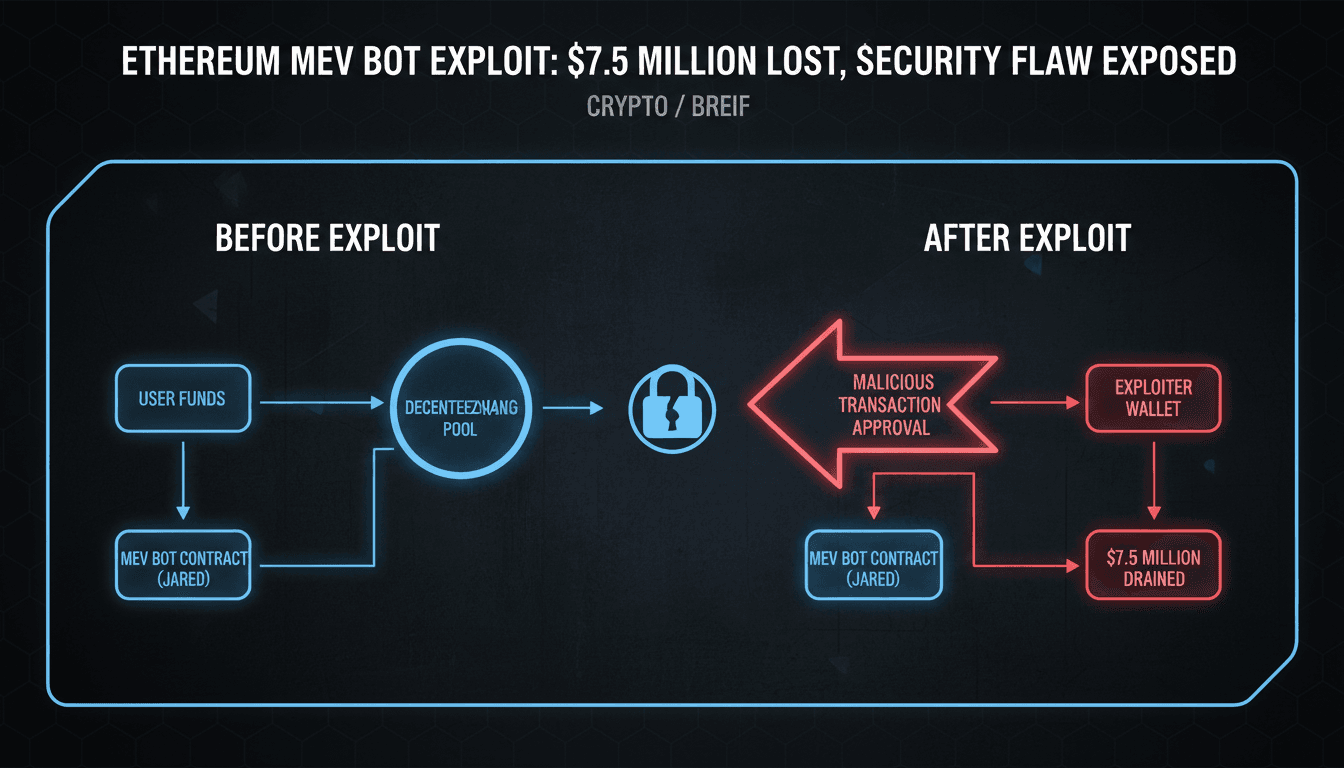
- Crypto· World
Ethereum price volatility intensifies as it tests critical resistance levels
Ethereum's price is currently fluctuating around key levels, with analysts divided on its future direction. The immediate cause of this volatility stems from its recent bounce from $1,704, as it approaches the significant $1,850 resistance level. Long-term implications suggest that the market's response to these price levels will be crucial in shaping investor sentiment and potential future movements in the cryptocurrency space.
3 sourcesJun 24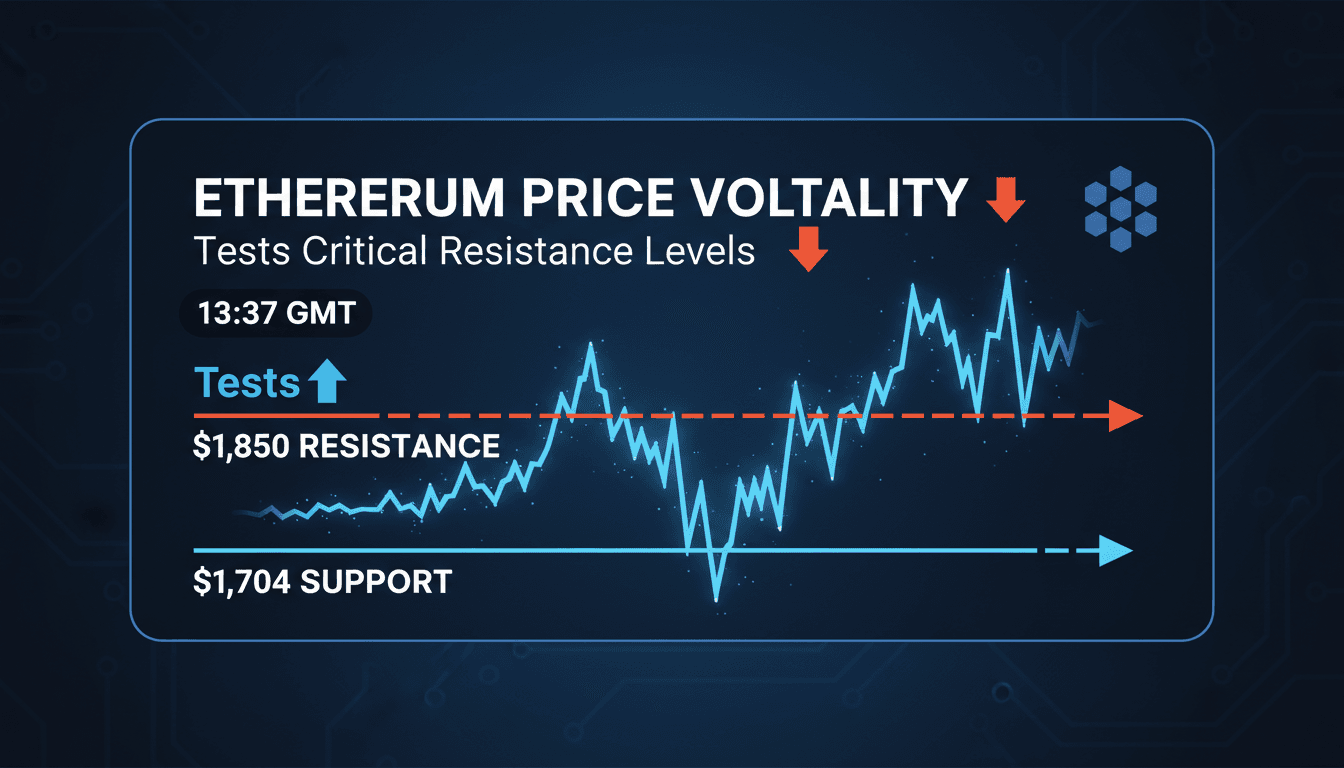
- Crypto· World
Japan's National Business Corporate Pension Fund to Allocate 1% of Assets to Cryptocurrency by 2026
A Japanese corporate pension fund plans to allocate 1% of its assets to cryptocurrency starting in fiscal 2026. This decision is driven by the need to diversify currency risk amid the declining value of the yen. The move signals a growing institutional acceptance of cryptocurrencies, potentially encouraging other funds to explore similar investments in the future.
5 sourcesJun 24
- Crypto· World
STRC shares decline prompts CEO investment to stabilize stock value
STRC shares have fallen below their intended par value, leading to concerns about the company's financial health. CEO Phong Le's $1 million investment aims to restore confidence in the stock amid a significant drop in Bitcoin prices. The future of STRC will depend on market recovery and investor confidence in Bitcoin's stability.
4 sourcesJun 24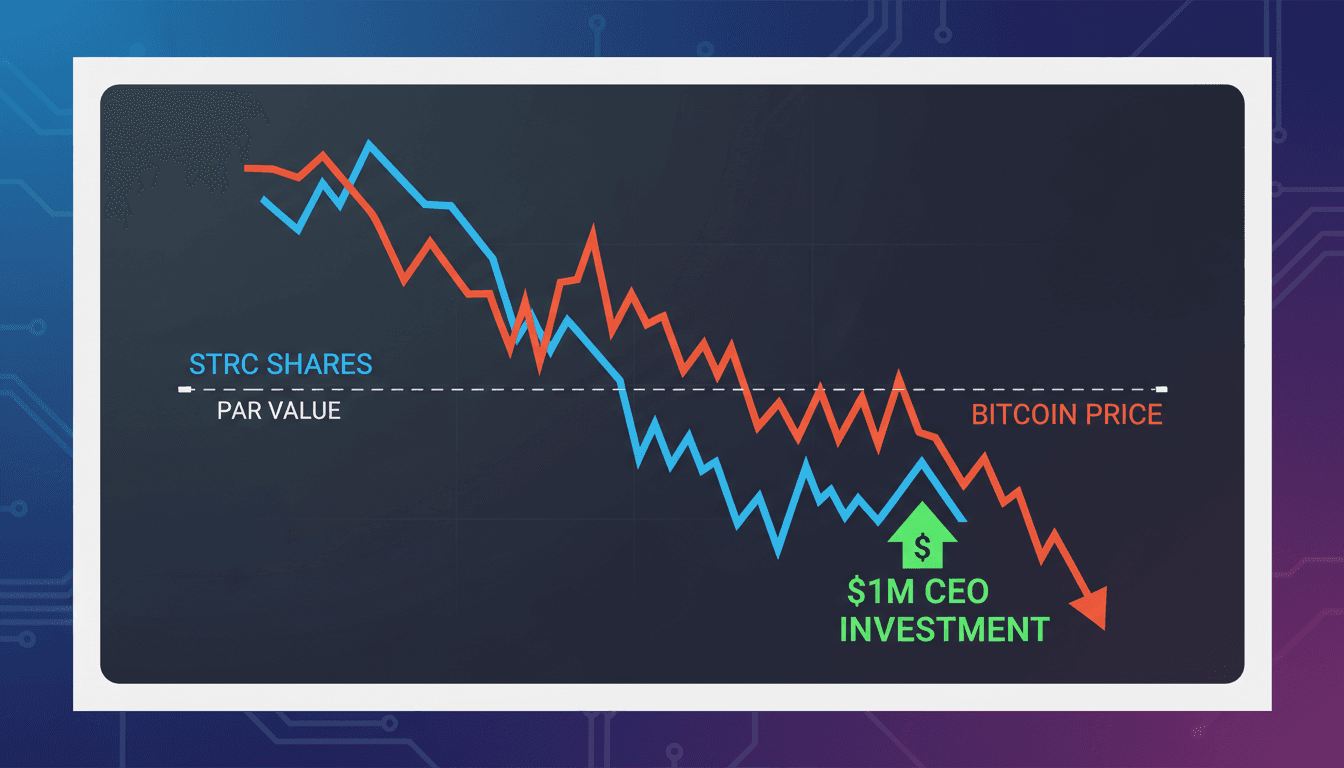
- Crypto· World
Ethereum price drops below $1,700 amid ETF outflows and market pressures
Ethereum's price has fallen to approximately $1,686 due to significant ETF outflows and weak market sentiment. This decline is occurring as traders react to broader market conditions and monitor key support levels. The long-term implication suggests potential volatility in Ethereum's price as traders remain vigilant to changes in ETF flows and market dynamics.
3 sourcesJun 24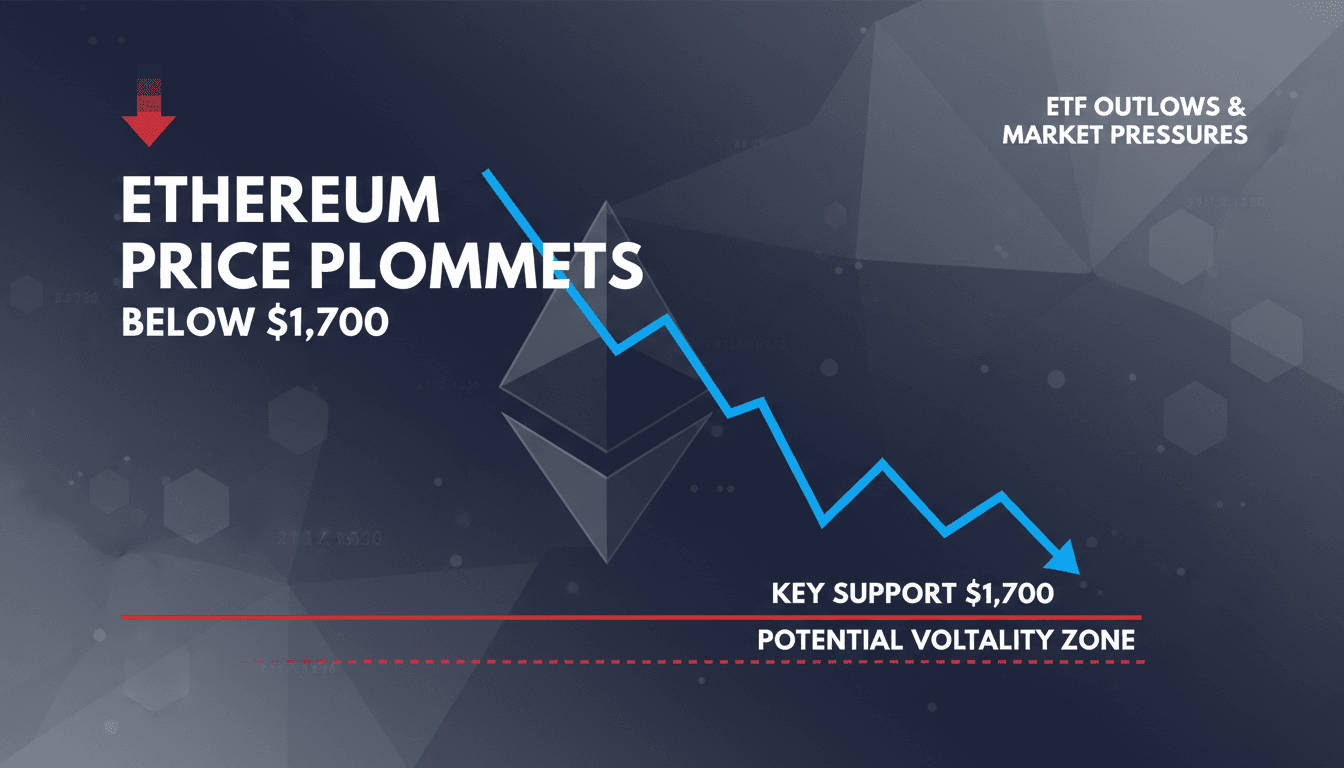
- Crypto· World
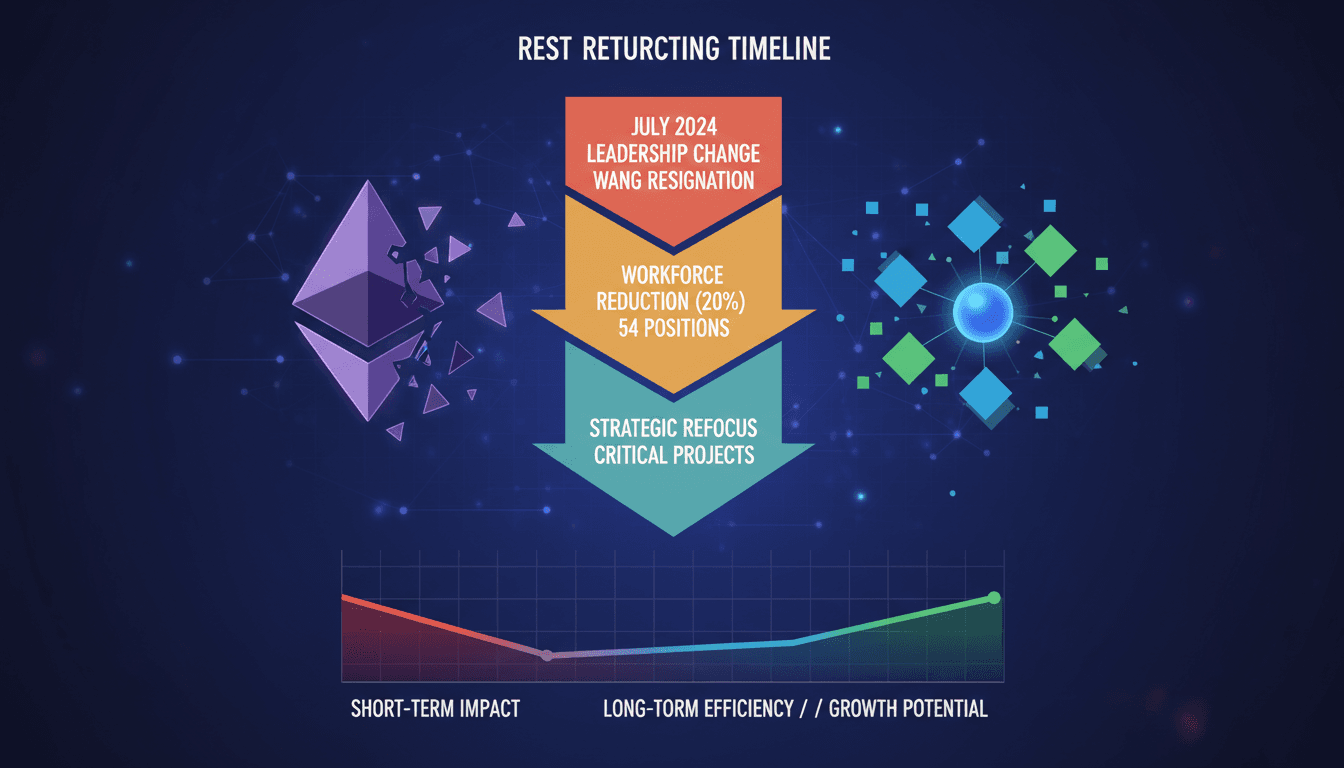
Ethereum Foundation lays off 20% of workforce amid restructuring
The Ethereum Foundation has announced a reduction of approximately 20% of its workforce, totaling 54 positions, as part of a significant restructuring effort. This decision is driven by recent leadership changes, including the resignation of co-executive director Hsiao-Wei Wang, and aims to refocus the organization's strategic priorities. In the long term, this restructuring may enhance the foundation's operational efficiency and its ability to concentrate on critical projects within the cryptocurrency sector.
6 sourcesJun 24