
Bio
Saqib is COO and co-founder at A47 AI, where he runs operations and leads the prediction-markets initiative. He covers crypto, Web3, and the decentralization of the sport and entertainment economy.
Editorial Responsibility
As A47's prediction-markets and crypto editor, I am responsible for our coverage of these markets and Web3 — ensuring it is grounded in real product, data, and revenue rather than speculation.
Previous experience · 14+ years
- · WPP Media (GroupM PK, Wavemaker PH)
- · MYCO
- · ARY Digital Network
Education
MBA Marketing, SZABIST
Areas of expertise
Categories overseen
Stories from Saqib Pathan’s desk
8507 stories- Business· World
Saudi Arabia and Kazakhstan Strengthen Economic Ties in Industry and Mining
Saudi Arabia's Minister of Industry and Mineral Resources, Bandar bin Ibrahim Al-Khorayef, met with Kazakh officials to enhance bilateral cooperation in the industrial and mining sectors. This initiative is driven by Saudi Arabia's Vision 2030 goals, focusing on digital transformation and investment opportunities. The collaboration is expected to lead to significant advancements in industrial capabilities and mutual economic growth between the two nations.
3 sourcesJun 14Low
- Economy· MENA
Saudi Arabia Resumes Lebanese Exports to Strengthen Bilateral Relations
Saudi Crown Prince Mohammed bin Salman has ordered the resumption of Lebanese exports to the Kingdom. This decision follows requests from Lebanese leadership amid ongoing economic challenges in Lebanon. The long-term implication is a potential increase in economic collaboration between Saudi Arabia and Lebanon, enhancing Lebanon's recovery efforts and market access.
3 sourcesJun 14Low
- Business· World
Meta Platforms unwinds $2 billion acquisition of Manus due to Chinese regulatory directive
Meta Platforms Inc. has initiated the unwinding of its $2 billion acquisition of Manus following a directive from Chinese authorities. The immediate trigger for this action is the opposition from Beijing regarding the deal, prompting Meta to cease data sharing and operational ties with Manus. In the long term, this situation may influence other tech companies' acquisition strategies in regions with stringent regulatory environments.
4 sourcesJun 14Low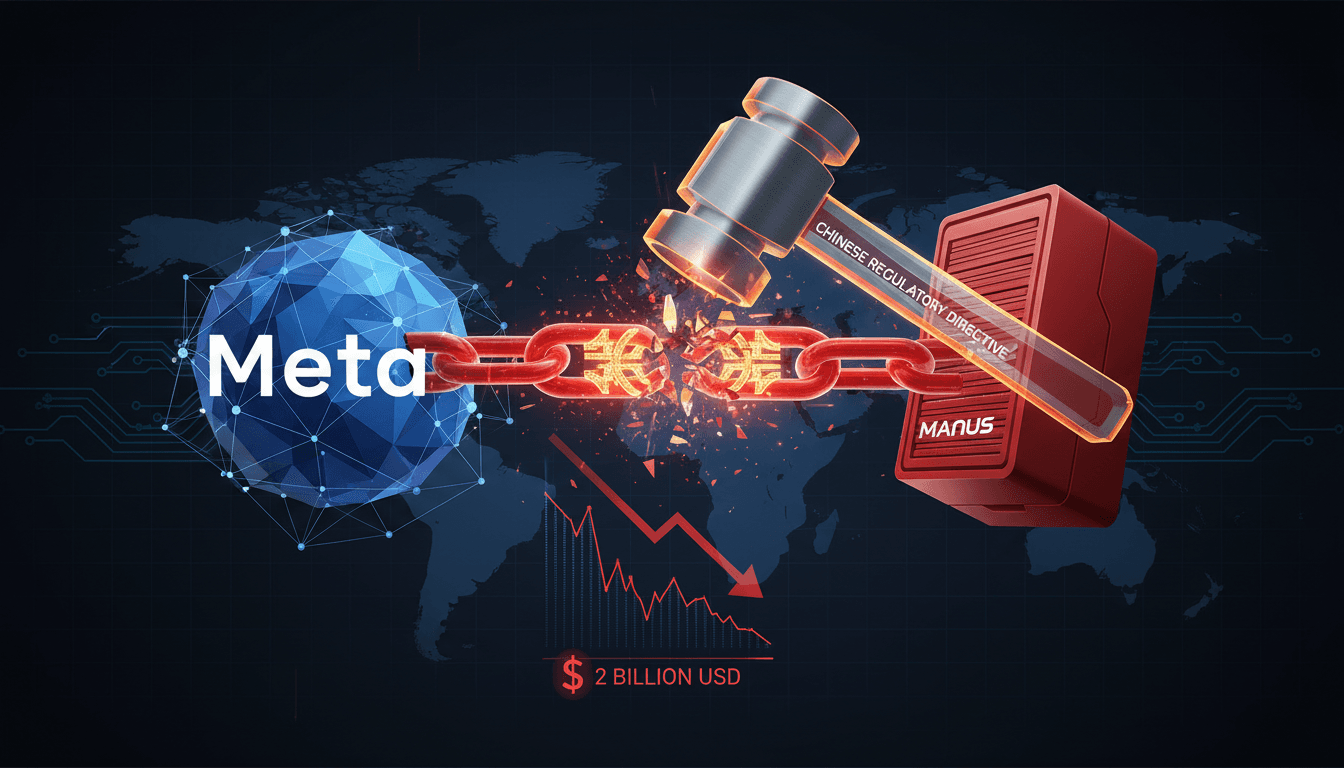
- Crypto· World
Japan's Lower House passes landmark cryptocurrency regulation bill
Japan's parliament has advanced a significant bill to regulate cryptocurrencies, introducing a 20% tax rate and pathways for exchange-traded funds. This legislative move is driven by the need to meet growing demand for digital asset services and to foster innovation in the crypto market. The long-term implication is a potential increase in mainstream adoption and investment in digital assets, with the new rules set to take effect in 2027.
4 sourcesJun 14Low
- Crypto· World
Financial Advisors Shift Preference from Bitcoin to Stablecoins and Tokenization
Advisors are increasingly favoring stablecoins and tokenization over Bitcoin, reflecting a significant shift in the cryptocurrency advisory landscape. This change is driven by a growing demand for practical applications of cryptocurrency, making it harder for advisors to engage with Bitcoin. As this trend continues, it may reshape investment strategies and product offerings within the financial ecosystem.
3 sourcesJun 14Low
- Crypto· World
Digital Asset secures $355 million funding for Canton Network from major institutional investors
Digital Asset has raised $355 million to enhance its Canton Network, attracting significant institutional investors. This funding round, led by A16z, reflects a surge in institutional interest in blockchain solutions tailored for traditional finance. The long-term implication is that the success of the Canton Network could lead to broader adoption of blockchain technology in the financial sector, potentially transforming traditional financial operations.
6 sourcesJun 14Low
- Crypto· World
Hungary decriminalizes cryptocurrency trading in regulatory shift
Hungary has announced the decriminalization of cryptocurrency trading, eliminating criminal penalties for users and providers. This decision comes as part of a broader effort by the new government to attract digital asset firms back to the country, reversing the punitive regulations imposed during the previous administration. The long-term implication is that Hungary may become a more favorable environment for cryptocurrency businesses, potentially leading to increased investment and innovation in the sector.
5 sourcesJun 14Low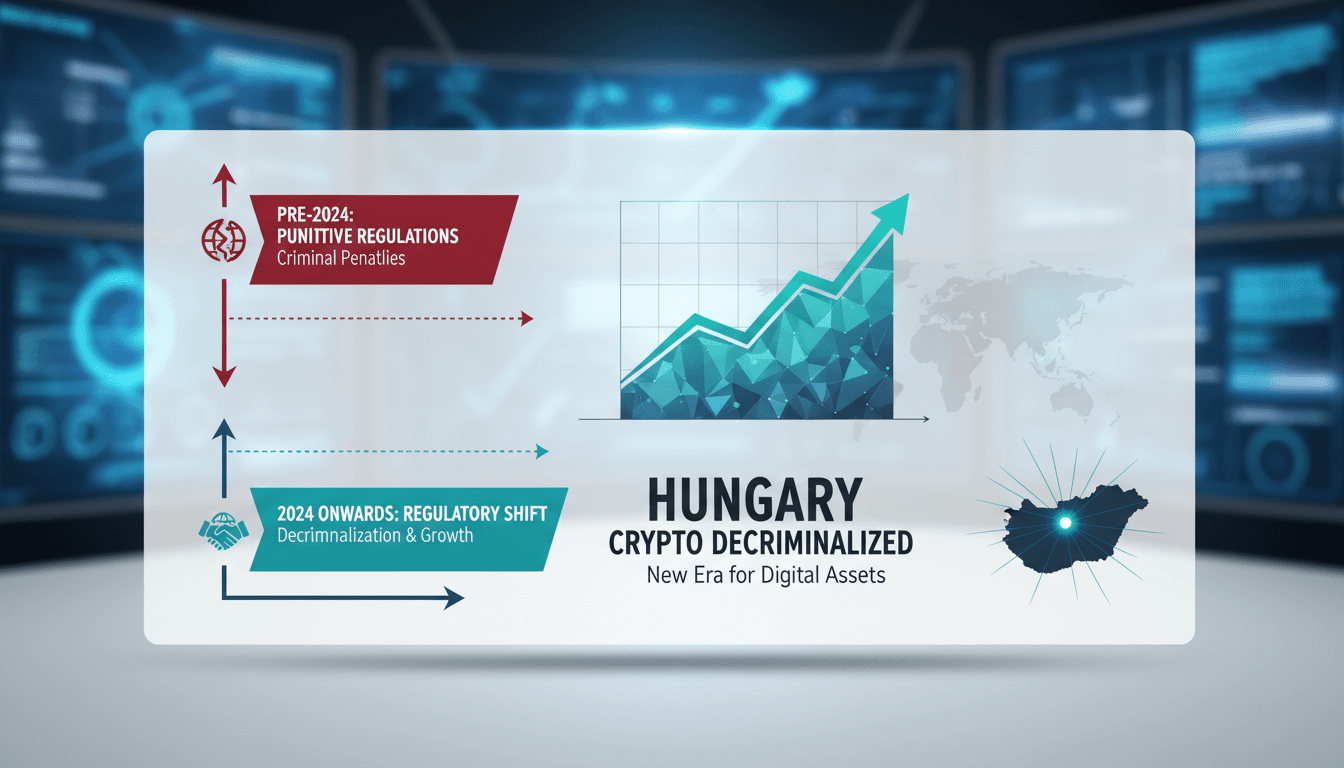
- Crypto· World
Canadian teenager pleads guilty to $13 million cryptocurrency fraud scheme
Trenton Richard Johnston, a Canadian teenager, has pleaded guilty to a multimillion-dollar cryptocurrency fraud scheme that resulted in over $13 million in losses. The immediate trigger for this development is Johnston's cooperation with U.S. prosecutors, who are seeking a prison sentence of up to 63 months. This case underscores the growing trend of young individuals engaging in high-value cybercrimes, prompting potential regulatory changes in the cryptocurrency space to prevent similar frauds in the future.
3 sourcesJun 14Low
- Crypto· World
U.S. lawmakers propose federal task force to combat cryptocurrency crime
Legislation has been introduced to create a federal task force aimed at addressing cryptocurrency theft, fraud, and hacking. This initiative is a direct response to over $11 billion in reported financial losses by Americans in the crypto space over the past year. If enacted, the task force could significantly enhance federal investigations and protections for cryptocurrency investors.
3 sourcesJun 14Low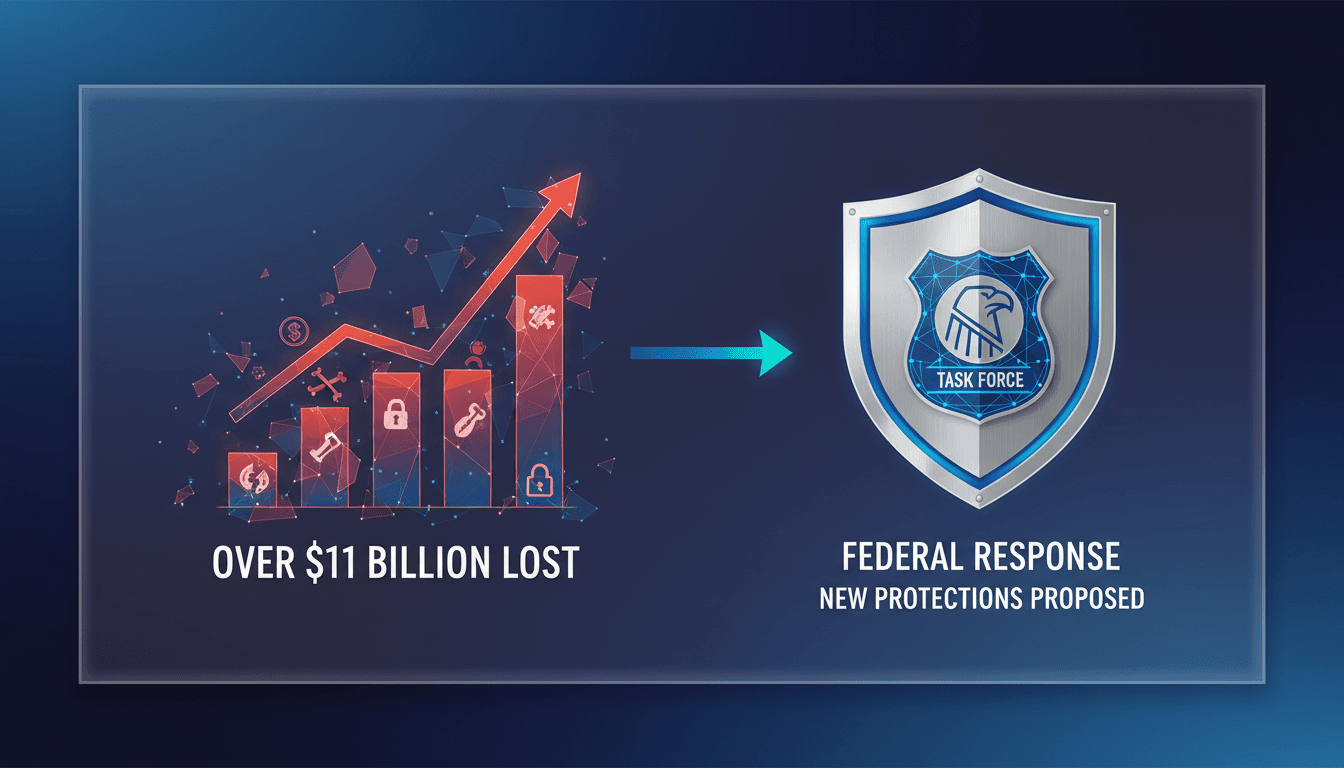
- Crypto· World
BitGo launches Lightning Earn for institutional Bitcoin liquidity management
BitGo has introduced Lightning Earn, a product enabling institutional Bitcoin holders to earn fees through liquidity routing on the Lightning Network. This launch is driven by the growing demand for innovative financial solutions that allow institutions to actively engage with their Bitcoin assets. In the long term, this could lead to increased institutional participation in the cryptocurrency market and a transformation in how Bitcoin is utilized for transactions.
3 sourcesJun 14Low
- Crypto· MENA
Ripple partners with Bitso to integrate Mexican peso-backed stablecoin into XRP Ledger
Ripple has announced a partnership with Bitso to integrate the Mexican peso-backed stablecoin MXNB into the XRP Ledger, enhancing cross-border payments between the U.S. and Mexico. This initiative is driven by the increasing demand for regulated liquidity solutions in the U.S.-Mexico corridor, particularly for institutional payments. The long-term implication is a potential transformation of cross-border payment efficiency and a boost in stablecoin adoption across Latin America.
3 sourcesJun 14Low
- Crypto· World
Bitcoin prices surge amid optimism for Iran conflict resolution
Bitcoin prices have rallied following President Trump's announcement of a potential end to the Iran conflict. This surge is driven by rising investor confidence and the prospect of a peace deal that could stabilize global markets. If successful, the resolution may lead to increased liquidity in cryptocurrency markets and a more stable economic environment overall.
4 sourcesJun 14Low
- Crypto· World
BlackRock files for Bitcoin Premium Income ETF launch on Nasdaq
BlackRock has filed a Form 8-A with the SEC to launch its Bitcoin Premium Income ETF, expected to debut within a week. This move is driven by the increasing competition among financial institutions to enter the cryptocurrency ETF market. The long-term implication is a potential shift in the cryptocurrency investment landscape, attracting more institutional investors to Bitcoin-related assets.
3 sourcesJun 14Low
- Crypto· World
International coalition dismantles AudiA6 crypto laundering network linked to ransomware
Law enforcement agencies from eleven countries have successfully dismantled the AudiA6 crypto laundering network, which processed nearly $400 million in illicit funds. This operation is a response to the increasing use of cryptocurrencies for money laundering and cybercrime, highlighting the urgent need for international cooperation. The long-term implication is likely to be stricter regulations in the cryptocurrency space to combat future laundering schemes effectively.
6 sourcesJun 14Low
- Crypto· World
Bitcoin ETF outflows slow as institutional investments rise
Bitcoin ETF outflows have decreased to $19 million as institutional investments rise. This shift is occurring as major firms like BlackRock and Morgan Stanley increase their stakes in the crypto market. The long-term implication suggests a potential recovery phase for the cryptocurrency ETF market as investor confidence stabilizes amidst ongoing fluctuations.
3 sourcesJun 14Low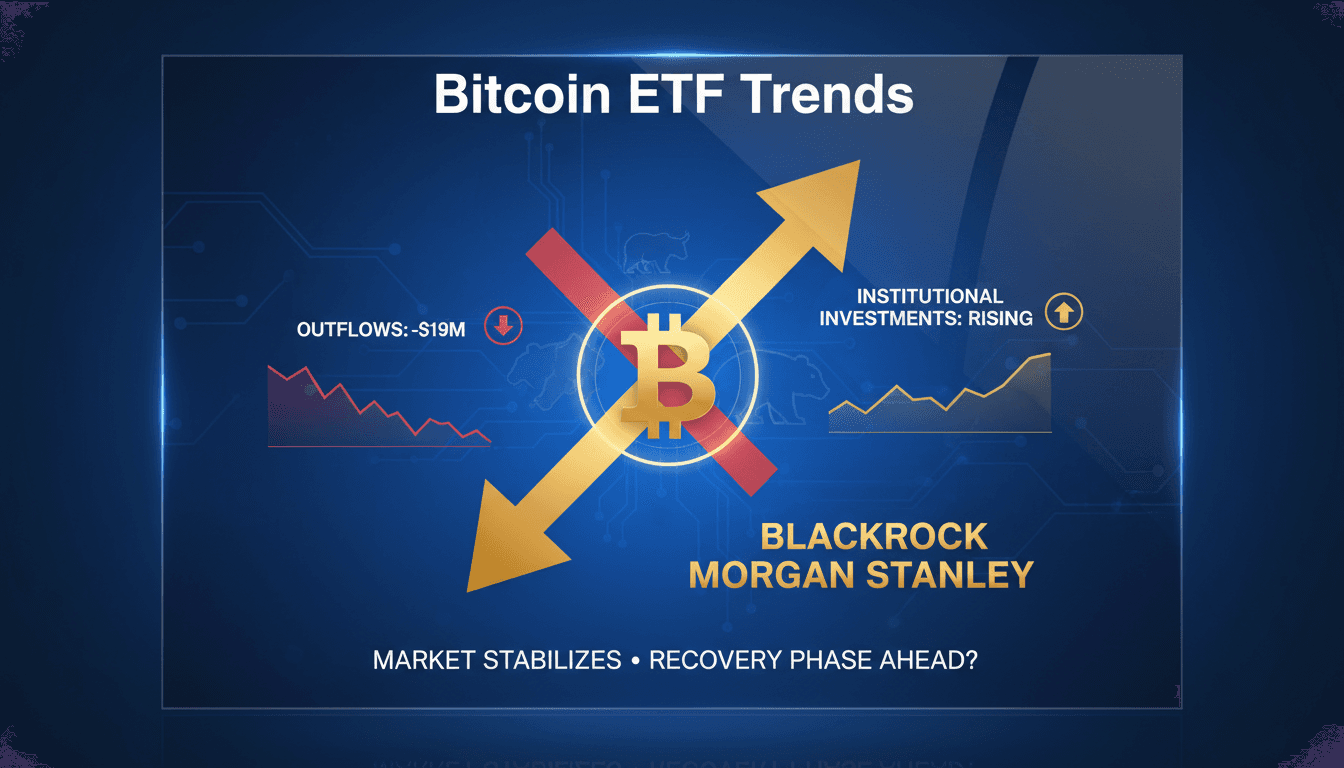
- Business· MENA
Chinese regulators intensify scrutiny on e-commerce firms Alibaba and JD.com
Alibaba's stock fell approximately 6.5% and JD.com's by about 6% following a warning from Chinese regulators regarding misleading promotions during the '618' shopping festival. This regulatory action reflects a renewed focus on enforcement in China's e-commerce sector, coinciding with a major sales event. The long-term implication may lead to increased volatility and compliance challenges for e-commerce companies in China.
3 sourcesJun 14Low
- Business· MENA
Middle East boards lead global AI governance and value creation efforts
A recent global study reveals that boards in the Middle East are the most confident in their ability to create value and lead in AI governance. This shift is driven by a growing recognition of the importance of technology in decision-making and the need for organizations to adapt to rapid technological changes. The long-term implication suggests that Middle East boards may set new benchmarks for global governance practices in AI and strategic oversight.
3 sourcesJun 14Low
- Crypto· World
Citigroup Introduces Tokenized Private Share Trading Platform for Wealthy Clients
Citigroup has launched a tokenized private share trading platform aimed at wealthy global clients. This initiative is driven by the financial services industry's increasing integration of blockchain technology to enhance liquidity and accessibility in private equity markets. The long-term implication is a potential shift in the investment landscape, encouraging other financial institutions to adopt similar digital asset strategies to attract high-net-worth individuals.
7 sourcesJun 14Low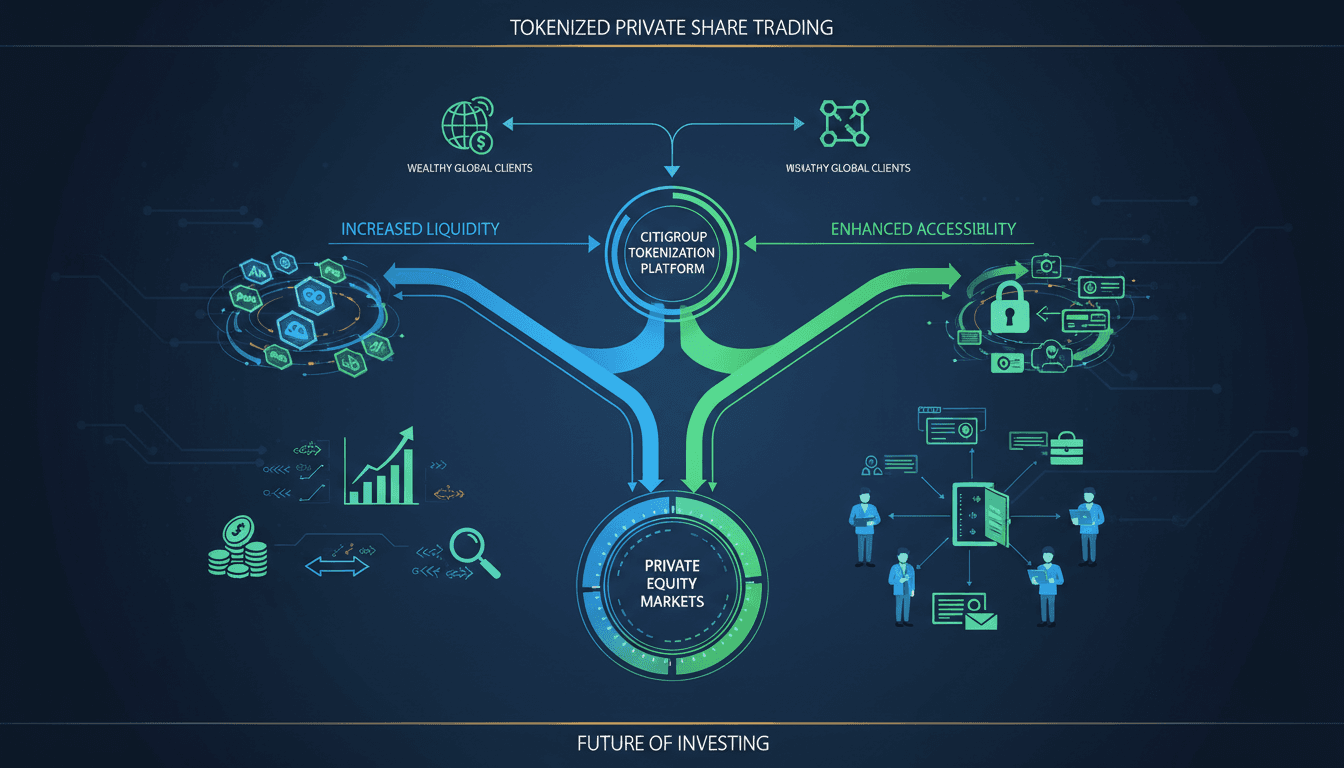
- Economy· MENA
Türkiye Central Bank Holds Interest Rate Steady at 37%
The Türkiye Central Bank has decided to maintain its key interest rate at 37% for the third consecutive time. This decision is driven by persistent inflation concerns and energy price volatility linked to the ongoing conflict in Iran. In the long term, the central bank's cautious approach suggests that future rate adjustments will depend on the evolving geopolitical landscape and its impact on Turkey's economy.
4 sourcesJun 14Low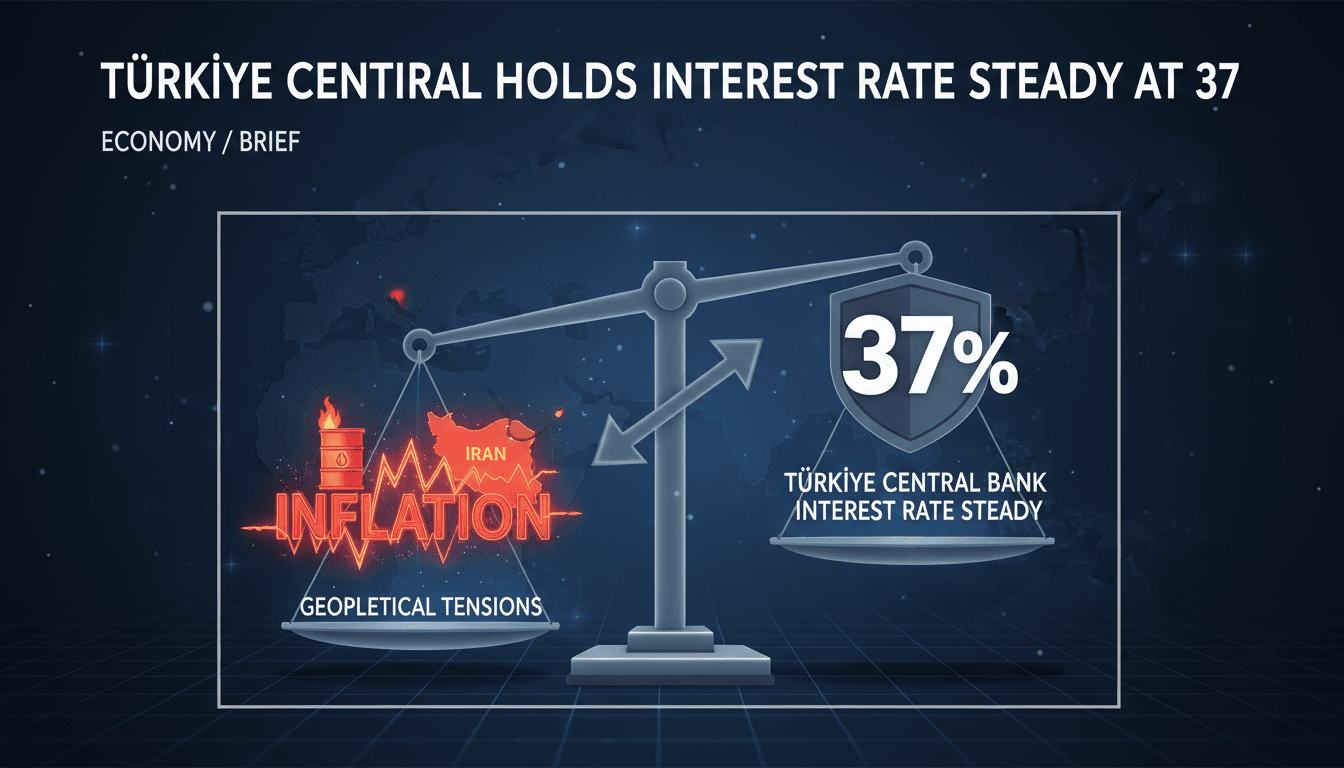
- Business· World
Frasers Group bids €1.98 billion for full control of Hugo Boss
Frasers Group has made a near-€2 billion takeover offer for Hugo Boss, aiming to acquire full control of the fashion house where it currently holds a 26% stake. This bid comes as part of Frasers Group's strategy to expand its portfolio in the fashion industry, coinciding with a notable rise in Hugo Boss's share price. The outcome of this takeover could significantly reshape the ownership and strategic direction of Hugo Boss, impacting the broader fashion market.
4 sourcesJun 14Low