
Oil Prices Stabilize Near Multi-Month Lows as US-Iran Talks Stall and Gulf Output Rises
What happened
Global crude benchmarks paused their sharp downturn as West Texas Intermediate held near $85.49 and Brent settled at $91.62 amid stalled US-Iran diplomacy and expanding Gulf crude supplies.
The Context
- Diplomatic stalemates counter de-escalation hopes: Prices dropped to two-month lows following downplayed military threats, but further downward momentum halted after Iran rejected proposals to transfer its enriched nuclear stockpile.
- Gulf production cushions maritime friction: Saudi Arabian crude output climbed 26% in October, offsetting ongoing transit friction across the Strait of Hormuz and rebalancing regional inventory flow.
- US inventories show growing domestic slack: Fresh American Petroleum Institute data logged a 9-million-barrel expansion in US crude stockpiles, providing a physical supply buffer against geopolitical headlines.
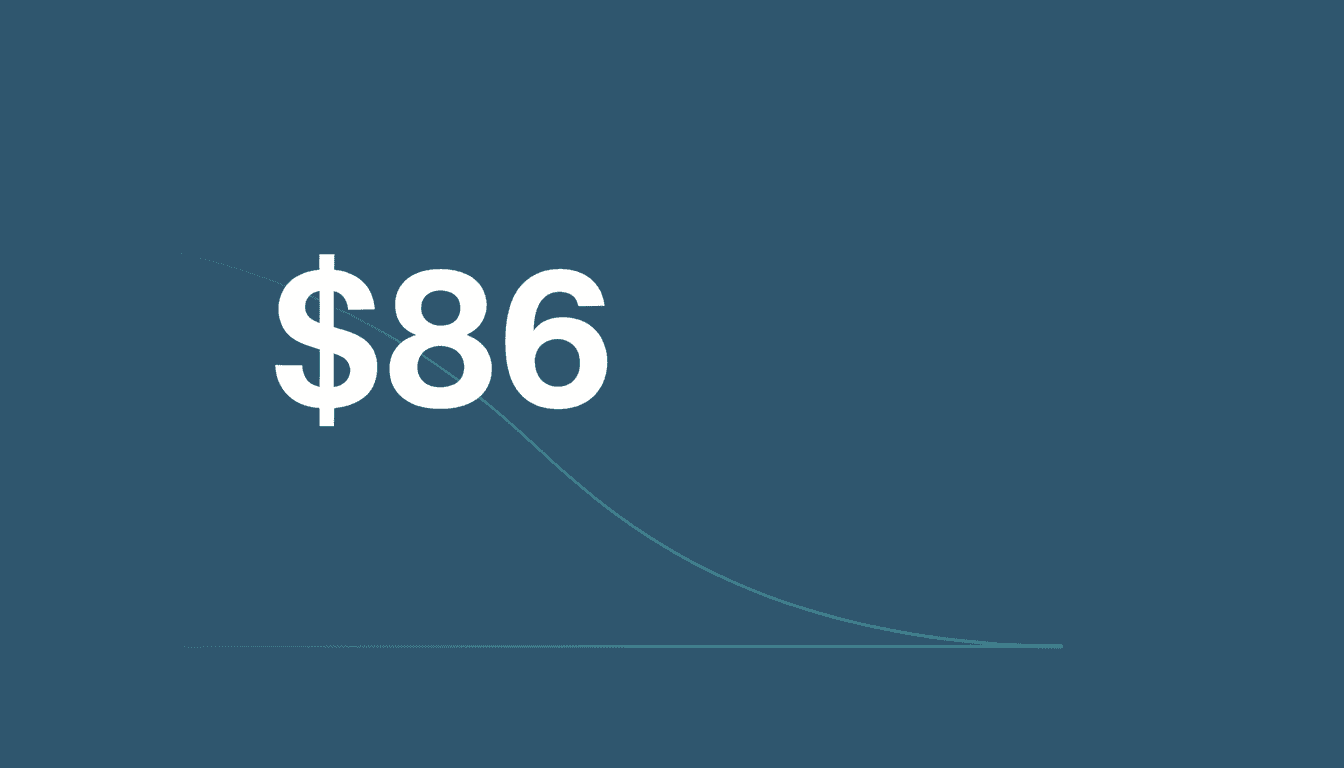
The Number
— the holding level for WTI crude that sets the near-term baseline for commercial fuel surcharges, logistics contracts, and energy-linked operational forecasting.
Takeaway
Expect benchmark energy prices to trade in a tight band near $85–$92 as expanding Gulf production balances ongoing geopolitical friction in regional shipping corridors.
Global markets, investing, and macroeconomics from a premier financial newsroom.
"Bloomberg is respected for in-depth financial reporting and data-driven analysis."
— A47 Editor
Latest Oil Market News and Analysis for Nov. 12
Oil held steady near a two-month low as hostilities between Iran and the US remained muted, though there was no sign of progress in peace talks to end the war in the Middle East, according to Bloomberg's markets coverage for Nov. 12.
Markets desk coverage, trading insights, and investor updates.
"WSJ’s markets reporting provides in-depth analysis and context for investors."
— A47 Editor
Oil Futures Halt Slide Awaiting Clarity on Middle East Talks
Oil futures stabilized after recent losses as shipping risks in the Middle East persisted and the market awaited more concrete news on negotiations to end the U.S.-Iran conflict, according to The Wall Street Journal.
U.S. business news, corporate developments, and economy.
"The Wall Street Journal is respected for deep financial and economic reporting with a center-right editorial perspective."
— A47 Editor
Oil Prices Rebound as Middle East Supply Risks Persist
Oil futures rose after a recent decline as continued skirmishes in the Middle East tempered expectations for a diplomatic resolution to the U.S.-Iran conflict, according to The Wall Street Journal. The rebound followed a sharp slide that had pushed B...
Markets desk coverage, trading insights, and investor updates.
"WSJ’s markets reporting provides in-depth analysis and context for investors."
— A47 Editor
Oil Prices Extend Decline After Trump Signals Restraint on Iran
Oil prices extended their decline after U.S. President Donald Trump signaled that further U.S. military strikes on Iran were not necessary for now, easing fears of escalation in the Middle East conflict. Brent crude fell to about $89.66 a barrel, its...
U.S. business news, corporate developments, and economy.
"The Wall Street Journal is respected for deep financial and economic reporting with a center-right editorial perspective."
— A47 Editor
Oil Prices Extend Decline After Trump Signals Restraint on Iran
Oil prices extended their decline after U.S. President Donald Trump signaled that further U.S. military strikes on Iran were not necessary for now, easing fears of escalation in the Middle East conflict. Brent crude fell to about $89.66 a barrel, its...
Markets, economy, and company analysis from NYT’s business desk.
"The New York Times is a globally recognized newspaper offering authoritative reporting with a center-left editorial stance."
— A47 Editor
Oil Prices Have Tumbled in November. Here’s Why.
Global benchmark oil prices have fallen by more than $20 a barrel since late October, when crude traded at around $113, according to a New York Times report on market movements in November.