
Oil prices rise to one-week high amid US-Iran peace negotiations
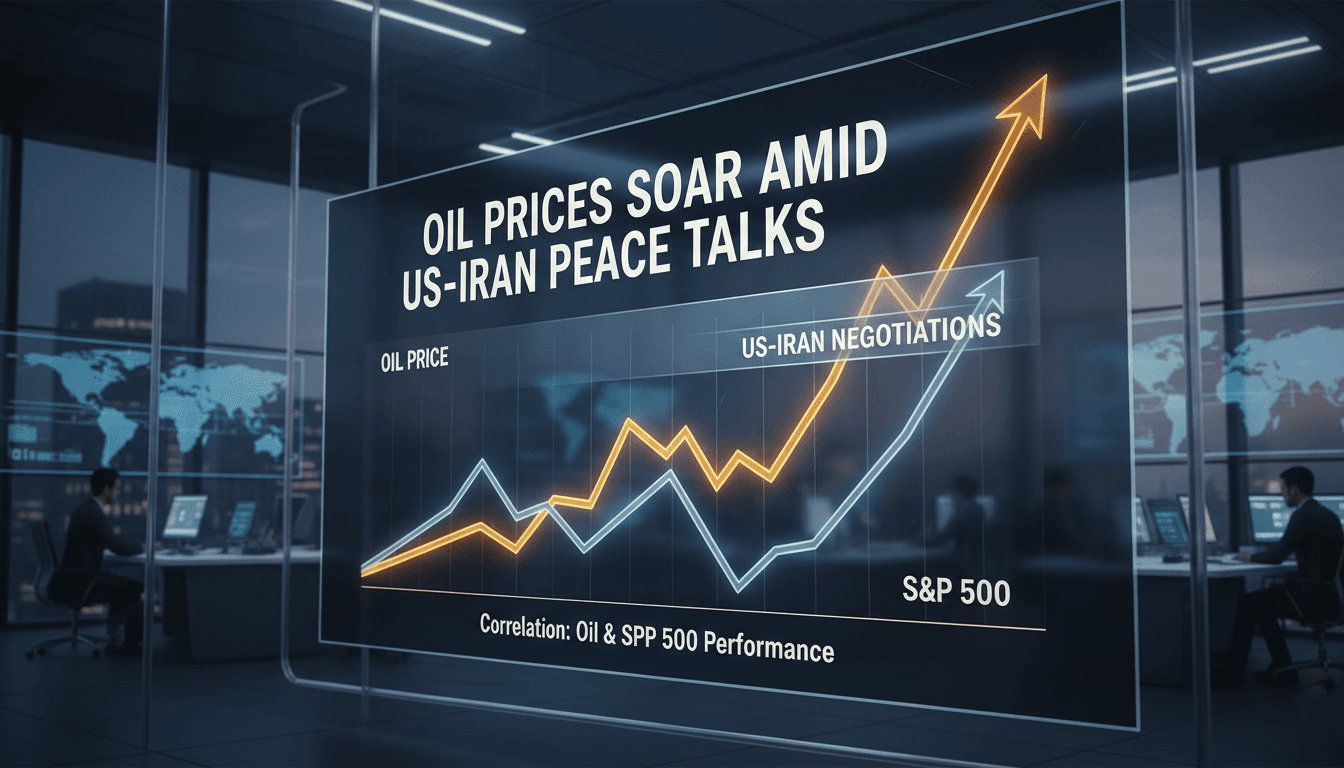
Here's what it means for you.
The recent rise in oil prices signals a potential shift in market dynamics as traders respond to the evolving US-Iran negotiations. A successful agreement could stabilize oil supply and prices, impacting global economic conditions. Conversely, continued uncertainty may lead to volatility in energy markets, affecting businesses and consumers alike. As discussions progress, stakeholders in the oil industry and financial markets will be closely monitoring developments. The outcome of these negotiations could have far-reaching implications for energy policy and international relations.
What happened
Oil prices have surged to a one-week high as traders react to the ongoing discussions regarding a potential US-Iran peace deal. This increase comes after a period of decline, where prices had fallen to a six-week low amid uncertainty surrounding the negotiations. Mixed signals from US officials, including statements from former President Trump, have contributed to the market's volatility.
The rise in oil prices reflects traders' assessments of the prospects for an agreement to halt hostilities between the two nations. As the situation develops, market participants are weighing the implications for global oil supply and pricing.
The Context
The backdrop to this situation includes a broader market trend, with the S&P 500 recently achieving a new high, driven by optimism in the artificial intelligence sector. This performance indicates strong market confidence, which can influence overall economic conditions. The ongoing discussions between the US and Iran are creating uncertainty in oil markets, as traders react to both positive and negative signals.
The potential for a peace agreement is significant, as it could lead to a stabilization of oil supply and prices. The interplay between geopolitical events and market performance underscores the importance of these negotiations for global financial stability.
Takeaway
Looking ahead, market participants will be closely watching developments in the US-Iran talks for potential impacts on oil supply and pricing. The outcome of these negotiations will be crucial for oil markets and could further influence global economic conditions. Additionally, movements in the S&P 500 will be monitored as AI investments continue to shape market trends.
As the situation evolves, stakeholders should remain alert to any announcements that could disrupt or stabilize oil prices, which in turn will affect broader economic indicators.
Oil, metals, and agriculture: supply/demand headlines, OPEC chatter, inventories, and price action.
"Solid tape for energy and metals traders tracking macro and micro catalysts."
— A47 Editor
Oil prices rise to one-week high as Iran reviews US proposal to halt war
Oil prices have reached a one-week high as Iran reviews a U.S. proposal aimed at halting ongoing military conflicts. This increase in oil prices reflects the market's reaction to geopolitical developments, particularly the fluctuating dynamics betwee...
Regional and international reporting focused on Middle Eastern politics, diplomacy, and economics.
"Asharq Al-Awsat is a Saudi-owned international newspaper reflecting mainstream Gulf political perspectives."
— A47 Editor
Oil Slips after Trump Says Talks with Iran are Ongoing
Oil prices have declined following President Trump's announcement that talks with Iran are ongoing, amidst a backdrop of military tensions and a potential ceasefire deal. This development comes as the 92nd day of the Iran war approaches, with no fina...
Pan-Arab news coverage spanning politics, business, sports, and regional affairs.
"Asharq Al-Awsat reflects a broad Arab editorial perspective with strong attention to regional geopolitics."
— A47 Editor
النفط يتماسك وسط ضبابية المحادثات الأميركية - الإيرانية وترقب مصير «هرمز»
Oil prices stabilized in early trading on Tuesday, retaining most of the sharp gains recorded in the previous session amid ongoing uncertainty surrounding U.S.-Iranian negotiations and the fate of the Strait of Hormuz.
Global markets, investing, and macroeconomics from a premier financial newsroom.
"Bloomberg is respected for in-depth financial reporting and data-driven analysis."
— A47 Editor
S&P 500 Tops 7,600 as AI Fuels Nine-Day Win Streak: Markets Wrap
The S&P 500 index surpassed 7,600, marking a nine-day winning streak driven by a resurgence in artificial intelligence investments and optimism surrounding a potential ceasefire agreement between the U.S. and Iran. This positive momentum reflects a b...
Global markets, investing, and macroeconomics from a premier financial newsroom.
"Bloomberg is respected for in-depth financial reporting and data-driven analysis."
— A47 Editor
Oil Swings Higher as Traders Weigh Prospects of US-Iran Deal
Oil prices have edged higher as traders assess conflicting signals regarding the prospects of a peace deal between the United States and Iran. This fluctuation follows a period of uncertainty, with oil prices recently recovering from a six-week low a...
Global markets, investing, and macroeconomics from a premier financial newsroom.
"Bloomberg is respected for in-depth financial reporting and data-driven analysis."
— A47 Editor
Oil Rises From Six-Week Low Amid Uncertainty Over US-Iran Deal
Oil prices have risen from a six-week low amid ongoing uncertainty regarding an interim peace deal between the United States and Iran. This fluctuation in oil prices reflects the market's sensitivity to geopolitical developments, particularly in the ...