
US Proposes 25% Tariff on Brazilian Imports Amid Trade Tensions
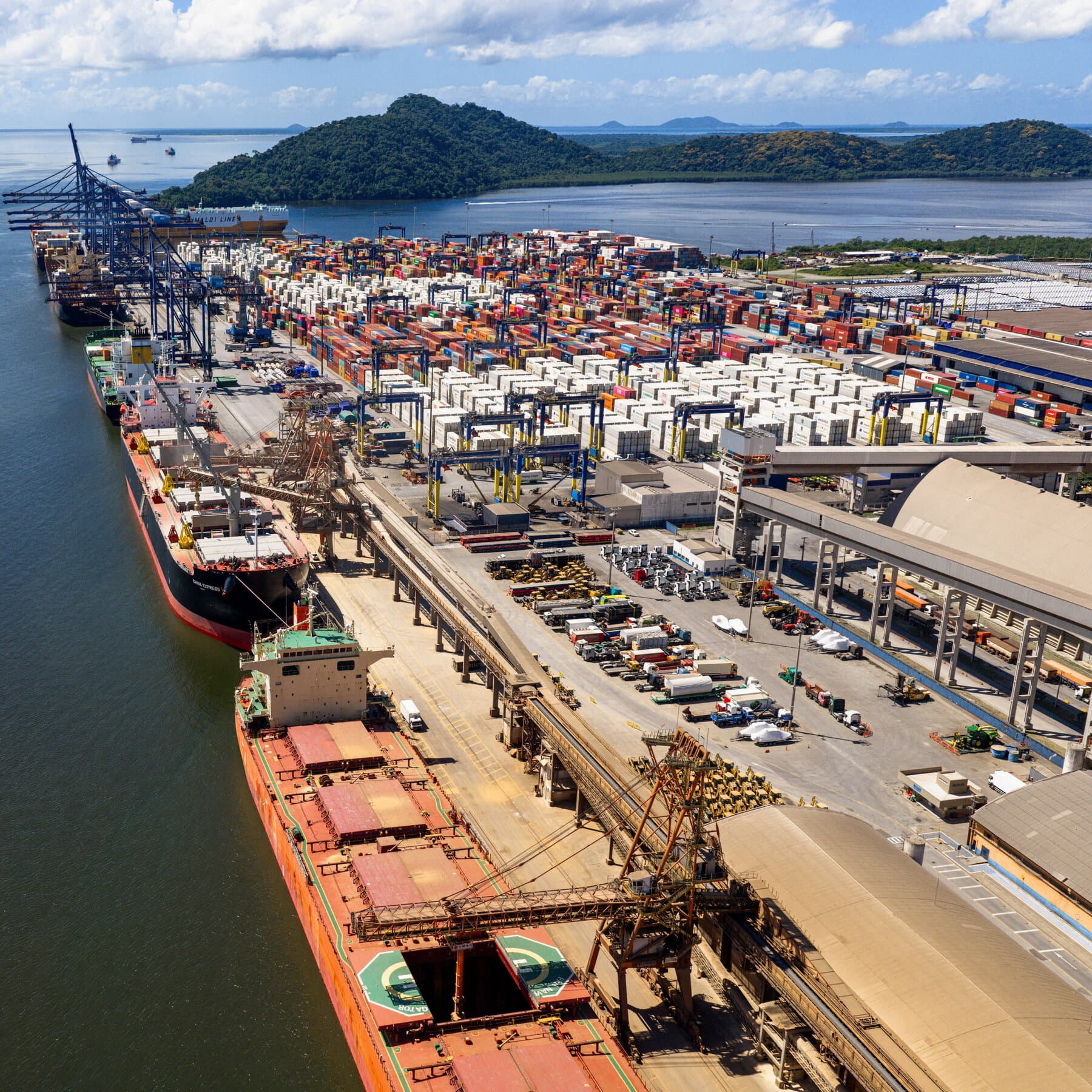
Here's what it means for you.
The proposed 25% tariff on Brazilian imports by the US could significantly alter trade dynamics between the two nations. Businesses engaged in trade with Brazil may face increased costs, impacting pricing strategies and profit margins. This move signals a broader shift in US trade policy, emphasizing the need for companies to stay informed about potential retaliatory measures from Brazil. As tensions rise, stakeholders in both countries must prepare for possible negotiations to mitigate the fallout. The implications of this tariff extend beyond immediate trade, potentially affecting diplomatic relations and economic stability in the region.
What happened
The Trump administration has proposed a 25% tariff on imports from Brazil, citing unfair trade practices. This decision is rooted in ongoing investigations into Brazil's trade policies, particularly concerning environmental issues like deforestation. The announcement has sparked a strong reaction from Brazilian President Luiz Inácio Lula da Silva, who views the tariff as politically motivated.
The proposed tariff is part of a broader effort by the US to address perceived trade imbalances and protect its commerce. As the world's largest economy, the US aims to recalibrate its trade relationships, and this tariff proposal is a significant step in that direction.
The Context
The US claims that Brazil's trade practices restrict American commerce, prompting the tariff proposal. This situation arises amid heightened scrutiny of Brazil's environmental policies, particularly regarding deforestation, which has become a focal point in international trade discussions. President Lula da Silva has linked the tariff to political rivalries within Brazil, suggesting that domestic politics may be influencing US actions.
The timing of this proposal is critical, as it coincides with ongoing investigations into Brazil's trade practices. The potential for escalating trade tensions could necessitate negotiations between the two nations to avoid further disputes, which may have broader implications for international trade dynamics.
Takeaway
The proposed tariffs may escalate trade tensions and affect economic relations between the US and Brazil. Observers should watch for reactions from Brazilian officials, as well as any potential retaliatory measures that could arise in response to the tariff. Additionally, developments in US trade policy under the Trump administration will be crucial in shaping the future of this relationship.
As the situation evolves, both countries may need to engage in diplomatic discussions to prevent further escalation of trade disputes. The outcome of these negotiations could have lasting effects on trade practices and economic stability in the region.
News from the United States including domestic politics, society, and culture.
"The Guardian is known for its progressive editorial stance and in-depth analysis, often advocating for social justice, environmental issues, and liberal values."
— A47 Editor
Trump administration proposes 25% tariffs on Brazil despite US trade surplus
The Trump administration has proposed a 25% tariff on imports from Brazil, citing the country's trade practices as 'unreasonable' and detrimental to U.S. commerce. This decision has been met with indignation from Brazilian President Luiz Inácio Lula ...
Top international stories selected by The Guardian editors.
"The Guardian is known for its progressive editorial stance and in-depth analysis."
— A47 Editor
Trump administration proposes 25% tariffs on Brazil despite US trade surplus
The Trump administration has proposed a 25% tariff on imports from Brazil, citing the country's trade practices as 'unreasonable' and detrimental to U.S. commerce. This decision has been met with indignation from Brazilian President Luiz Inácio Lula ...
Global news coverage with extensive reporting on Middle Eastern conflicts and geopolitics.
"Al Jazeera is a Qatar-based broadcaster known for wide regional coverage and alternative perspectives."
— A47 Editor
US targets Brazil with new tariffs over trade practices
The United States has announced a new 25 percent tariff on Brazilian imports, citing concerns over trade practices, including deforestation and digital trade issues. This decision reflects ongoing tensions between the two nations regarding economic p...
Comprehensive coverage of Middle Eastern and global issues.
"Al Jazeera is a prominent voice from the Global South, especially the Middle East, with an emphasis on underreported stories."
— A47 Editor
US targets Brazil with new tariffs over trade practices
The United States has announced a new 25 percent tariff on Brazilian imports, citing concerns over trade practices, including deforestation and digital trade issues. This decision reflects ongoing tensions between the two nations regarding economic p...
Global markets, investing, and macroeconomics from a premier financial newsroom.
"Bloomberg is respected for in-depth financial reporting and data-driven analysis."
— A47 Editor
EUA Propõem Nova Tarifa de 25% ao Brasil
The United States has proposed a new 25% tariff on Brazilian products following an investigation that deemed Brazil's trade practices as unfair. This move reflects ongoing tensions in international trade relations and highlights concerns over market ...
Regional and international reporting focused on Middle Eastern politics, diplomacy, and economics.
"Asharq Al-Awsat is a Saudi-owned international newspaper reflecting mainstream Gulf political perspectives."
— A47 Editor
Trump Administration Proposes 25% Tariff to Punish Brazil Over Trade Practices
The Trump Administration has proposed a 25% tariff on Brazilian imports, citing concerns over Brazil's trade practices, including issues related to deforestation and digital trade. This decision reflects ongoing tensions between the two nations regar...
Markets, economy, and company analysis from NYT’s business desk.
"The New York Times is a globally recognized newspaper offering authoritative reporting with a center-left editorial stance."
— A47 Editor
Trump Targets Brazil With 25% Tariff, Citing Unfair Trade Practices
The Trump administration has proposed a 25% tariff on Brazilian imports, citing unfair trade practices as part of its ongoing tariff agenda through Section 301 investigations. This move comes amid rising tensions between the U.S. and Brazil, particul...
English-language news from Qatar covering domestic and regional affairs.
"Gulf Times reflects Qatari perspectives on regional developments."
— A47 Editor
Trump administration proposes 25% tariff to punish Brazil over trade practices
The Trump administration has proposed a new punitive tariff of 25% on various imports from Brazil, citing unfair trade practices related to digital trade and illegal deforestation. This decision reflects ongoing tensions between the two nations regar...