
Oil prices rise amid escalating military actions in the Middle East
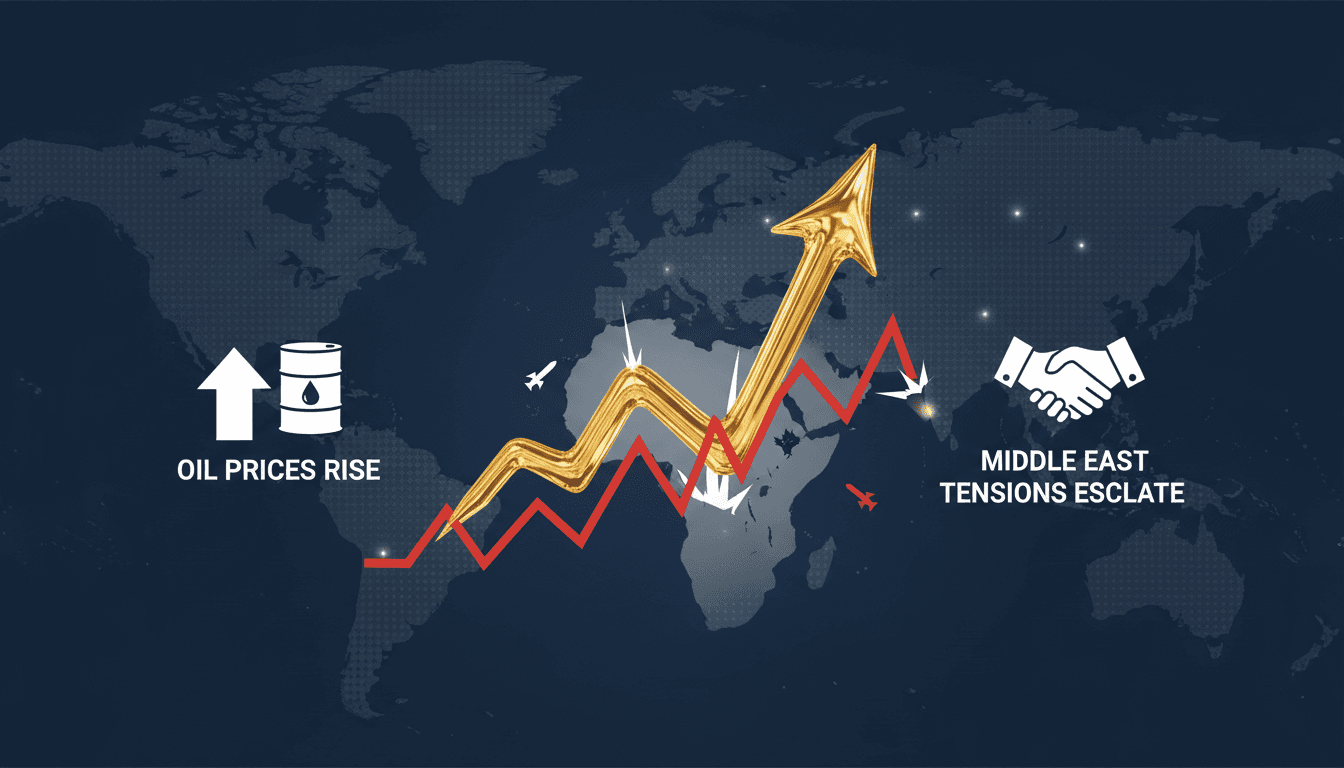
Here's what it means for you.
The recent increase in oil prices signals heightened market volatility, driven by escalating military actions in the Middle East. Investors and policymakers should brace for potential disruptions in oil supply routes, particularly through the critical Strait of Hormuz. The ongoing tensions between Iran and the U.S. complicate the geopolitical landscape, impacting global oil markets and economic stability. As military actions continue and diplomatic negotiations stall, market participants may need to adjust their strategies to mitigate risks associated with fluctuating oil prices. This situation underscores the importance of monitoring developments closely.
What happened
Oil prices surged by over 1% following Iran's missile strikes targeting Kuwait and Bahrain. This escalation in military actions has raised concerns about the stability of oil supply routes in the region. The current price of Brent crude oil stands at $97.05 per barrel, reflecting the market's reaction to these geopolitical tensions.
The missile strikes occurred on June 3, 2026, coinciding with a lack of progress in diplomatic negotiations between Iran and the U.S. The combination of military hostilities and stalled talks has contributed to increased market instability.
The Context
The recent flare-up of hostilities in the Middle East, particularly involving Iran's military actions, has significant implications for global oil markets. The Strait of Hormuz, a vital waterway for oil transportation, remains at risk due to these tensions. The ongoing lack of advancement in U.S.-Iran diplomatic negotiations exacerbates the situation, leaving stakeholders uncertain about future developments.
As military actions persist, the potential for further disruptions in oil supply chains looms large. This scenario not only affects oil prices but also has broader implications for global economic stability and energy security.
Takeaway
Looking ahead, market participants should closely monitor developments in U.S.-Iran negotiations, as any progress or setbacks could significantly impact oil prices. Additionally, the potential for further military actions raises concerns about disruptions in oil supply routes, particularly through the Strait of Hormuz.
As tensions in the Middle East continue, volatility in oil prices is likely to persist, necessitating vigilance from investors and policymakers alike. The situation remains fluid, and stakeholders must prepare for ongoing geopolitical developments.
Pan-Arab political news and analysis.
"Al-Quds Al-Arabi is a London-based Arabic newspaper known for political coverage."
— A47 Editor
النفط يرتفع مع اندلاع أعمال قتالية جديدة بالشرق الأوسط وتعثر المفاوضات
Oil prices increased by over one percent in early trading on Wednesday due to renewed fighting in the Middle East, highlighting the ongoing instability in the region. The situation has raised concerns about potential disruptions in oil supply, partic...
Global political, business, and cultural coverage from WSJ international desks.
"The Wall Street Journal offers extensive international reporting with a reputation for financial insight and a center-right editorial stance."
— A47 Editor
Oil Prices Rise Amid Continuing Middle East Tensions
Oil prices have risen due to escalating tensions between the U.S. and Iran, particularly following military exchanges that threaten the reopening of the Strait of Hormuz, a vital oil shipping route. The U.S. has conducted strikes on Iranian radar sit...
Oil, metals, and agriculture: supply/demand headlines, OPEC chatter, inventories, and price action.
"Solid tape for energy and metals traders tracking macro and micro catalysts."
— A47 Editor
Oil prices rise as new Middle East hostilities flare and talks stall
Oil prices have risen as hostilities in the Middle East escalate and peace talks stall, particularly between the U.S. and Iran. This surge in prices reflects growing investor concerns over geopolitical tensions, especially in the vital Strait of Horm...
Oil, metals, and agriculture: supply/demand headlines, OPEC chatter, inventories, and price action.
"Solid tape for energy and metals traders tracking macro and micro catalysts."
— A47 Editor
Oil extends gains on fresh Middle East hostilities, stalled peace talks
Oil prices have extended their gains amid escalating hostilities in the Middle East and stalled peace negotiations, reflecting heightened geopolitical tensions. The ongoing conflict, particularly between U.S. and Iranian forces, has led to increased ...