
US dollar stabilizes as investors await Middle East peace talks
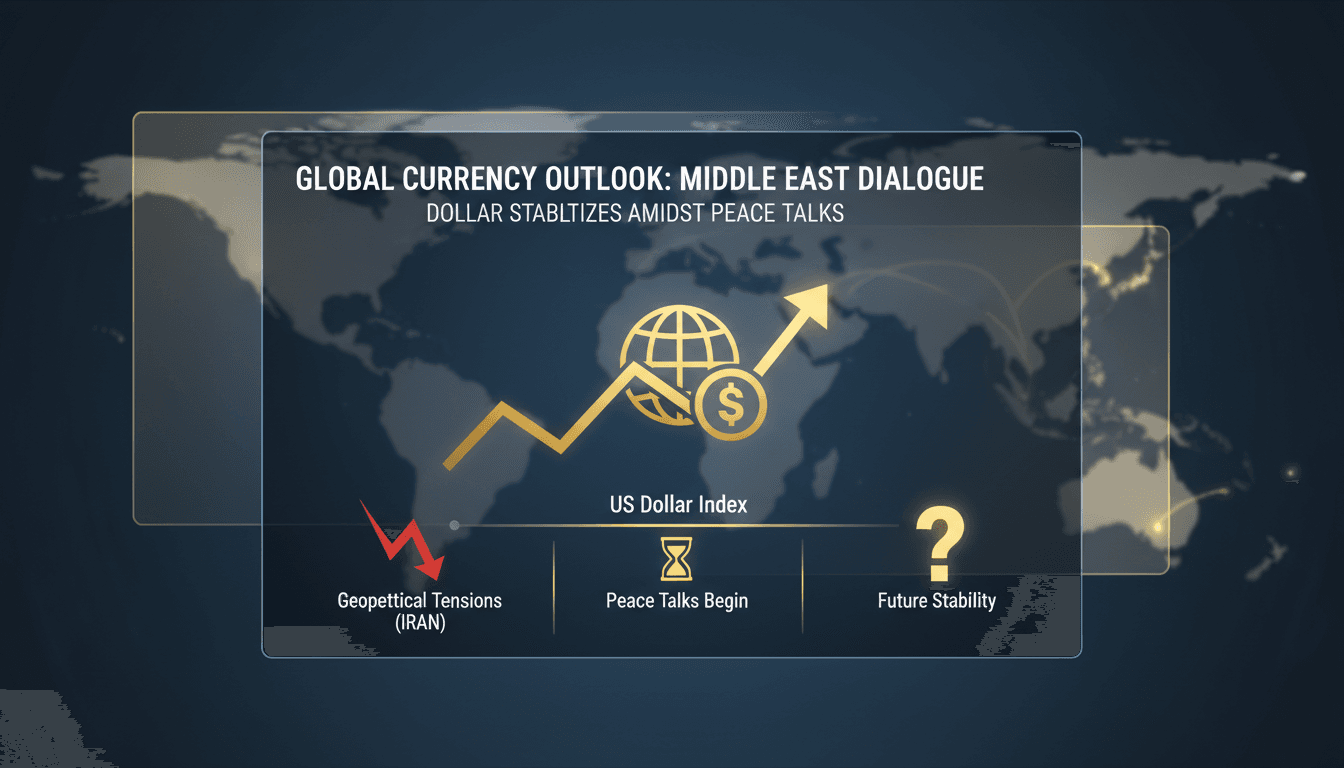
Here's what it means for you.
The stabilization of the US dollar signals a moment of cautious optimism among investors as they await critical updates from ongoing peace negotiations in the Middle East. This development is particularly relevant given the dollar's recent decline, which was influenced by geopolitical tensions, especially concerning Iran. Market participants are closely monitoring these talks, as their outcomes could have significant implications for both the dollar's performance and broader market conditions. As the situation evolves, stakeholders in various sectors should remain vigilant, as shifts in the dollar's value can impact everything from trade to investment strategies. The interplay between geopolitical events and currency stability underscores the importance of staying informed in a rapidly changing landscape.
What happened
The US dollar has stabilized as of June 2, 2026, following a period of decline that began on June 1, 2026. Investors are now closely watching the developments surrounding peace negotiations in the Middle East, which are expected to influence market conditions significantly. The previous decline in the dollar was largely attributed to concerns over geopolitical tensions, particularly related to the Iranian conflict.
This stabilization comes at a time when central bank movements are also affecting market sentiment. As traders await news from the peace talks, the dollar's performance remains a focal point for many in the financial sector.
The Context
The recent fluctuations in the dollar's value highlight the interconnectedness of geopolitical events and financial markets. The Iranian conflict has been a significant concern for investors, contributing to the dollar's earlier decline. As peace talks progress, the outcomes will likely play a crucial role in shaping market sentiment and the dollar's trajectory.
Central banks are also key players in this scenario, as their monetary policies can influence currency stability. The timing of these negotiations is critical, as any positive developments could bolster the dollar, while setbacks may lead to renewed volatility.
Takeaway
Looking ahead, the outcomes of the Middle East peace negotiations will be pivotal in determining the dollar's future stability. Investors should keep an eye on updates from these talks, as they could lead to significant shifts in market conditions. Additionally, reactions from central banks regarding their monetary policies will also be crucial in shaping the dollar's performance.
As the situation remains fluid, market participants are advised to stay informed and prepared for potential changes in the geopolitical landscape that could impact the dollar and broader financial markets.
Macro commentary, policy analysis, growth/inflation themes, and global outlooks.
"Contextual macro coverage that complements day-to-day market headlines."
— A47 Editor
Dollar in tight range as traders eye Middle East peace talks
The U.S. dollar remains in a tight trading range as traders closely monitor ongoing peace talks in the Middle East, particularly between the U.S. and Iran. Recent geopolitical tensions, including military actions, have contributed to market volatilit...
Pan-Arab news coverage spanning politics, business, sports, and regional affairs.
"Asharq Al-Awsat reflects a broad Arab editorial perspective with strong attention to regional geopolitics."
— A47 Editor
ترقب حذر لمحادثات السلام في الشرق الأوسط يدعم استقرار الدولار
The US dollar stabilized on Tuesday as investors awaited updates on peace talks in the Middle East. This cautious anticipation reflects the ongoing geopolitical tensions and their potential impact on global markets.
Pan-Arab news coverage spanning politics, business, sports, and regional affairs.
"Asharq Al-Awsat reflects a broad Arab editorial perspective with strong attention to regional geopolitics."
— A47 Editor
استقرار الدولار وسط ترقب الحرب الإيرانية وتحركات البنوك المركزية
The US dollar stabilized on Monday after experiencing a weekly decline, as markets await developments in peace talks in the Middle East. This comes amid ongoing concerns regarding potential conflicts in the region and the actions of central banks.