
Trump Reduces Tariffs on Aluminum and Steel Derivatives
Here's what it means for you.
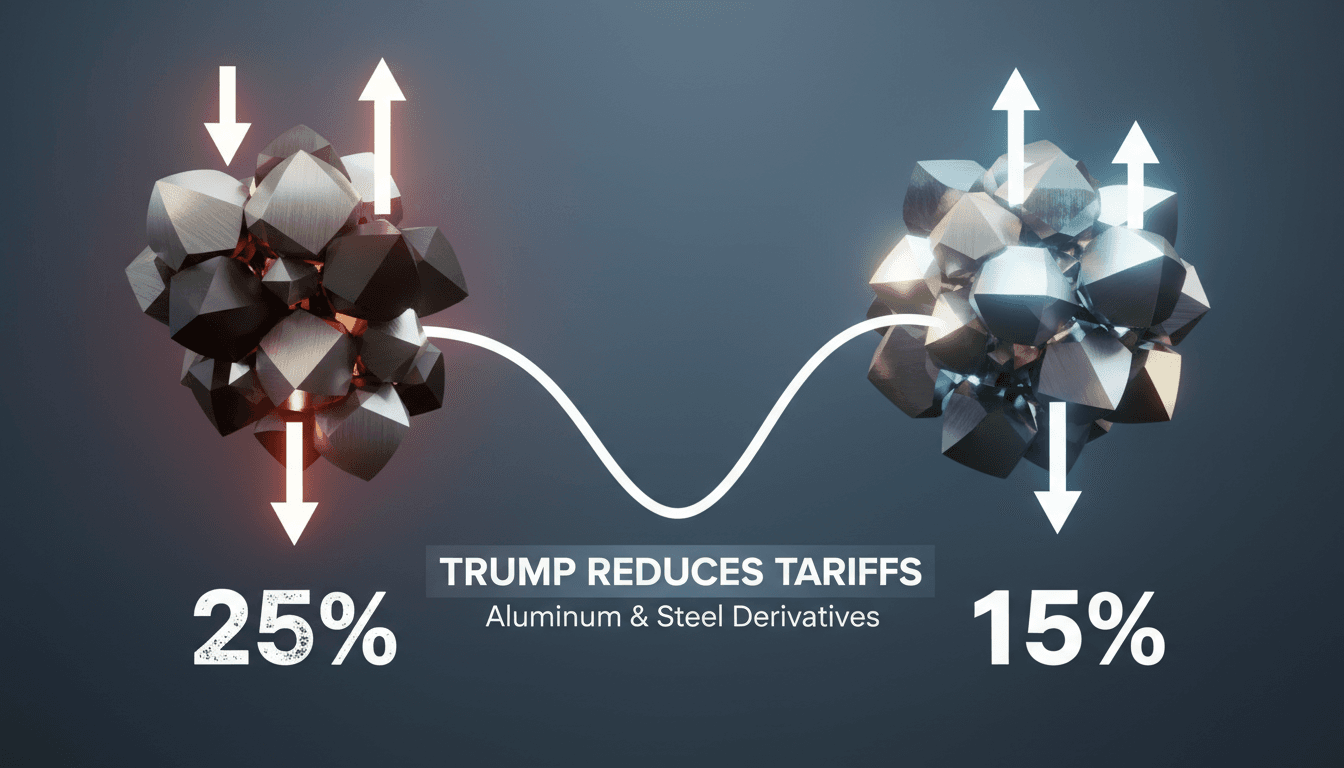
The recent reduction of tariffs on aluminum and steel derivative products from 25% to 15% is poised to lower costs for various industries that rely on these materials. This adjustment reflects the Trump administration's ongoing efforts to refine trade policies while addressing national security concerns. As a result, businesses may experience shifts in pricing and market dynamics, potentially leading to increased competitiveness in affected sectors. This change is particularly significant for industries such as agricultural equipment and HVAC systems, which are directly impacted by these tariffs. The move may also influence domestic manufacturers and importers as they navigate the evolving trade landscape.
What happened
On June 2, 2026, President Trump signed a proclamation that amended tariffs on certain aluminum and steel derivative products, reducing the rates from 25% to 15%. This decision is part of the administration's broader strategy to adjust trade policies under Section 232, which addresses national security concerns related to these materials. The proclamation aims to alleviate costs for industries that depend on aluminum and steel derivatives.
The reduction in tariffs is expected to have a significant impact on pricing for affected products, potentially benefiting various sectors of the economy. The announcement was communicated through the White House and various news outlets, highlighting the administration's commitment to ongoing trade policy adjustments.
The Context
The original tariffs were imposed as part of national security measures aimed at protecting domestic industries. However, the recent adjustments reflect a shift in the administration's approach to trade, focusing on balancing economic impacts with national security concerns. Stakeholders in industries reliant on aluminum and steel derivatives are likely to welcome this change, as it may lead to reduced operational costs.
As the Trump administration continues to navigate international relations, these tariff adjustments are indicative of a broader strategy to refine trade policies. The timing of this proclamation suggests a proactive approach to address the needs of domestic industries while maintaining a focus on national security.
Takeaway
Looking ahead, the tariff adjustments may influence market dynamics and pricing in the affected sectors. Observers should watch for potential reactions from domestic manufacturers and importers as they adapt to the new tariff landscape. Additionally, further changes to trade policies may be anticipated as the administration continues to refine its approach to international trade relations.
The ongoing adjustments signal a willingness to adapt trade policies in response to economic conditions, which could have lasting implications for both domestic and international markets.
Capitol Hill news, legislation, and policy insight.
"The Hill specializes in U.S. politics and policy, with a focus on Capitol Hill developments and a reputation for insider reporting."
— A47 Editor
Trump amends tariffs on imported steel, aluminum, copper
President Trump announced adjustments to tariffs on imported aluminum, copper, and steel, reducing tariffs on certain derivative products from 25 percent to 15 percent. This change affects agricultural equipment and specific heating, air conditioning...
News from the United States including domestic politics, society, and culture.
"Global News is a mainstream Canadian media outlet generally considered to have a centrist editorial stance, covering news with a focus on factual reporting and national interest."
— A47 Editor
Trump lowers some tariffs on steel, aluminum and copper imports
U.S. President Donald Trump signed a proclamation on Monday to amend Section 232 national security tariffs on certain aluminum, steel, and copper imports, as announced by the White House. This decision reflects a shift in trade policy concerning thes...
Oil, metals, and agriculture: supply/demand headlines, OPEC chatter, inventories, and price action.
"Solid tape for energy and metals traders tracking macro and micro catalysts."
— A47 Editor
Trump signs proclamation amending tariffs on steel, aluminum and copper imports
Former President Donald Trump has signed a proclamation amending tariffs on imports of steel, aluminum, and copper, a move that reflects ongoing adjustments in U.S. trade policy. This decision is part of a broader strategy to manage trade relationshi...