
Gold prices hit two-month low amid escalating U.S.-Iran tensions
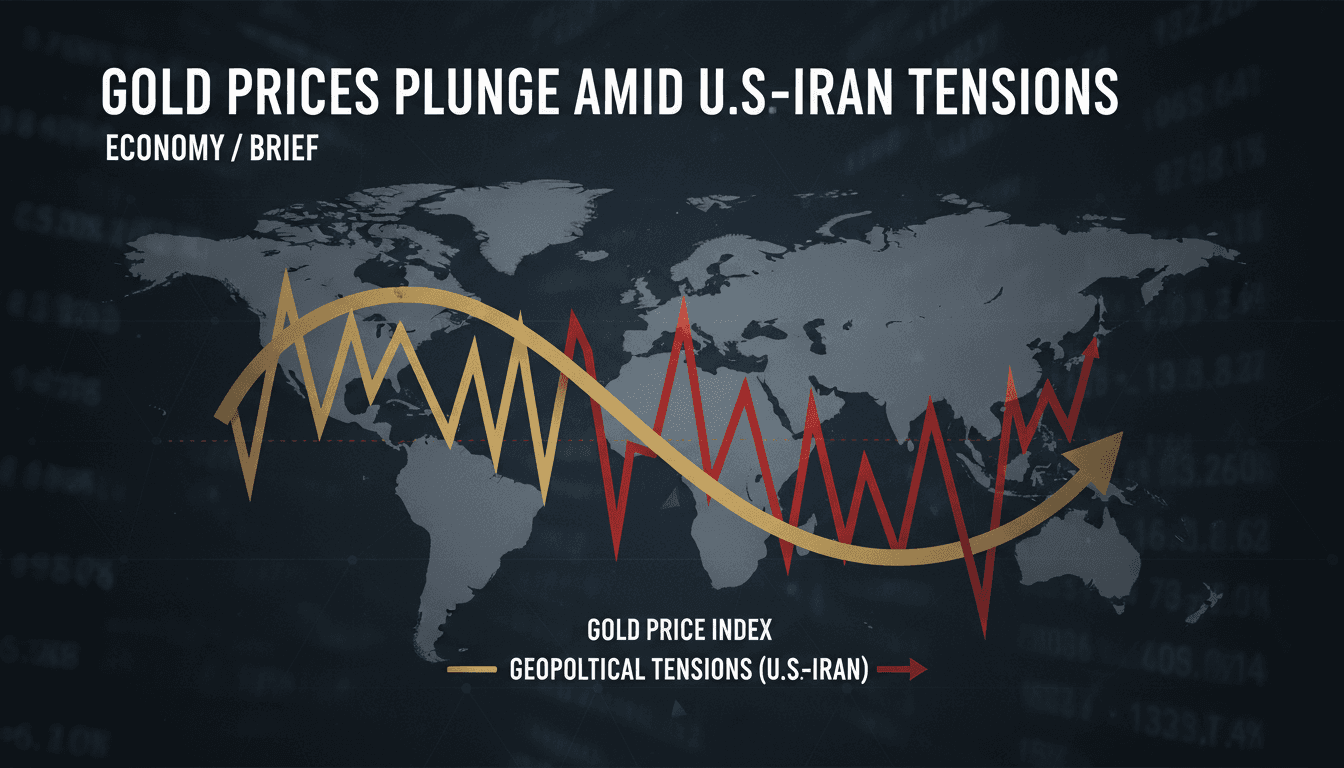
Here's what it means for you.
The recent decline in gold prices signals a shift in market sentiment as geopolitical tensions rise. Investors are reacting to the potential for inflation and interest rate increases, which could reshape investment strategies. As the dollar strengthens, gold becomes less attractive, particularly for foreign investors, impacting demand. This volatility in gold prices may influence broader economic indicators and investment decisions. Stakeholders should remain vigilant as these developments unfold, particularly in relation to U.S.-Iran relations and their implications for global markets.
What happened
Gold prices have fallen to a two-month low, reaching $4,380.62 per ounce, amid escalating tensions between the U.S. and Iran. The immediate catalyst for this decline was the U.S. military strikes in Iran, which have heightened geopolitical concerns. As a result, investors are increasingly worried about rising inflation linked to higher oil prices.
The strengthening of the dollar has also played a significant role in this downturn, making gold more expensive for foreign buyers. This combination of factors has led to a notable drop of 1.7% in gold prices as tensions continue to escalate.
The Context
The backdrop to this situation includes recent U.S. military actions targeting Iranian sites believed to pose threats to U.S. interests. These developments have intensified geopolitical tensions, which traditionally lead investors to seek safe-haven assets like gold. However, the current strengthening of the dollar has countered this trend, making gold less appealing.
Concerns about inflation are rising as oil prices surged over 3% following the military actions. This complex interplay of military, economic, and market factors is crucial for understanding the current state of gold prices and their potential trajectory.
Takeaway
Looking ahead, ongoing geopolitical tensions may continue to exert pressure on gold prices. Investors should closely monitor U.S. economic data releases, which could provide insights into future interest rate decisions. Additionally, developments in U.S.-Iran relations will be critical in shaping market dynamics and inflation expectations.
As the situation evolves, stakeholders must remain alert to the implications for both gold and broader economic indicators. The interplay between military actions and market responses will be pivotal in the coming weeks.
Oil, metals, and agriculture: supply/demand headlines, OPEC chatter, inventories, and price action.
"Solid tape for energy and metals traders tracking macro and micro catalysts."
— A47 Editor
Gold prices rise on report that US and Iran agrees on 60-day MoU
Gold prices have risen following reports that the United States and Iran have agreed on a 60-day memorandum of understanding (MoU), signaling a potential easing of tensions between the two nations. This development comes amidst fluctuating market sen...
Pan-Arab news coverage spanning politics, business, sports, and regional affairs.
"Asharq Al-Awsat reflects a broad Arab editorial perspective with strong attention to regional geopolitics."
— A47 Editor
الذهب يهبط لأدنى مستوى في شهرين بضغط من التصعيد بين واشنطن وطهران
Gold prices have fallen to their lowest level in two months during trading on Thursday, pressured by new U.S. strikes on Iran. This decline reflects the ongoing tensions between Washington and Tehran, which have significant implications for global ma...
Business, markets, economy, and corporate news with strong UAE and regional relevance.
"Emirates 24|7 business coverage tends to center UAE markets, property, regulation, and regional economic developments."
— A47 Editor
Gold hits two-month low as US-Iran tension stokes inflation fears Gold hits two-month low as US-Iran tension stokes inflation fears
Gold prices have fallen to a two-month low, reaching $4,380.62 per ounce, as escalating U.S. military actions against Iran have heightened inflation fears and strengthened the dollar. This decline in gold prices reflects ongoing geopolitical tensions...
Pan-Arab news coverage spanning politics, business, sports, and regional affairs.
"Asharq Al-Awsat reflects a broad Arab editorial perspective with strong attention to regional geopolitics."
— A47 Editor
الذهب يتراجع تحت وطأة صدمة النفط ومخاوف التضخم المستدام
Gold prices fell in Asian trading on Tuesday, pressured by new U.S. military strikes in Iran, which have heightened geopolitical tensions in the region. This decline reflects market reactions to instability and uncertainty surrounding oil prices and ...