Bio
Saqib is COO and co-founder at A47 AI, where he runs operations and leads the prediction-markets initiative. He covers crypto, Web3, and the decentralization of the sport and entertainment economy.
Editorial Responsibility
As A47's prediction-markets and crypto editor, I am responsible for our coverage of these markets and Web3 — ensuring it is grounded in real product, data, and revenue rather than speculation.
Previous experience · 14+ years
- · WPP Media (GroupM PK, Wavemaker PH)
- · MYCO
- · ARY Digital Network
Education
MBA Marketing, SZABIST
Areas of expertise
Categories overseen
Stories from Saqib Pathan’s desk
8486 stories- Crypto· World
Ripple Joins UK Treasury's Tokenization Initiative to Boost Economy by 2035
Ripple has committed to supporting the UK Treasury's tokenization strategy, which could generate up to £33 billion annually by 2035. This collaboration follows Ripple's recent challenges with the SEC, positioning the company as a key player in the UK's financial innovation landscape. The success of this initiative could set a precedent for other countries exploring digital asset frameworks, potentially reshaping the global financial landscape.
4 sourcesJul 16
- Crypto· World
Strategy Inc. launches Bitcoin Banking Adoption Index revealing 32% adoption among major banks
The Bitcoin Banking Adoption Index was introduced, highlighting varying levels of Bitcoin adoption among major banks. This launch is timely as financial institutions are increasingly exploring digital asset services amid growing interest in cryptocurrency. The long-term implication suggests that banks will likely enhance their Bitcoin offerings, potentially reshaping the financial landscape and increasing competition in the sector.
3 sourcesJul 16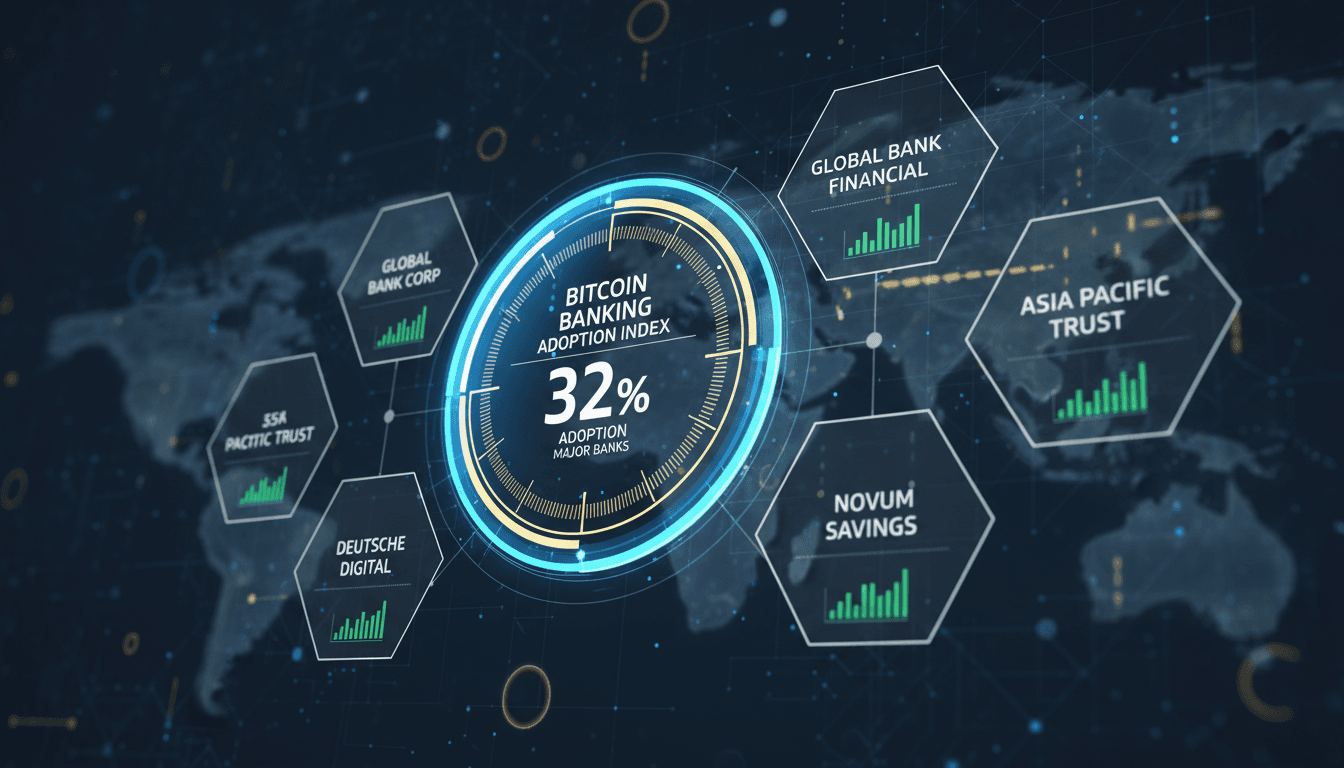
- Crypto· World
China proposes new legal frameworks to combat cryptocurrency money laundering
China's Supreme People's Procuratorate has proposed reforms to strengthen the prosecution of crypto-related money laundering. This shift is driven by the need to enhance investigations and close gaps in the current enforcement framework. The long-term implication is a potential reshaping of global regulatory standards for cryptocurrency, particularly affecting privacy coins and mixers.
3 sourcesJul 16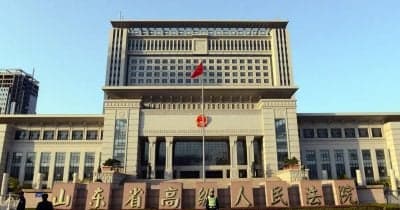
- Crypto· World
Trump Advocates for CLARITY Act to Regulate US Stablecoins
President Donald Trump has urged the Senate to pass the CLARITY Act, which seeks to establish a regulatory framework for stablecoins in the United States. This push is driven by concerns over China's potential dominance in cryptocurrency innovation and the urgent need for regulatory clarity in the market. If successful, the CLARITY Act could significantly shape the future of cryptocurrency regulation in the US and influence global standards.
3 sourcesJul 16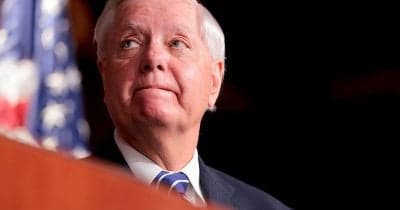
- Crypto· World
Bitcoin ETFs Experience Significant Fluctuations in Investor Sentiment
Bitcoin ETFs saw outflows of approximately $424 million, followed by a recovery with inflows of $282 million. This shift occurs after an eight-week streak of outflows, indicating renewed institutional interest despite ongoing market volatility. The long-term implication suggests that the ability of Bitcoin ETFs to attract capital will be crucial for their viability in the evolving cryptocurrency market.
4 sourcesJul 16
- Crypto· World
BitMine Reports $45.7 Million Earnings from Ethereum Staking
BitMine has generated $45.7 million in revenue from Ethereum staking in the last quarter. This significant earnings boost follows the company's strategic pivot from Bitcoin mining to Ethereum staking, initiated with the launch of its validator in March. As BitMine continues to grow its ETH holdings, it is poised to become a leading player in the cryptocurrency staking market.
3 sourcesJul 16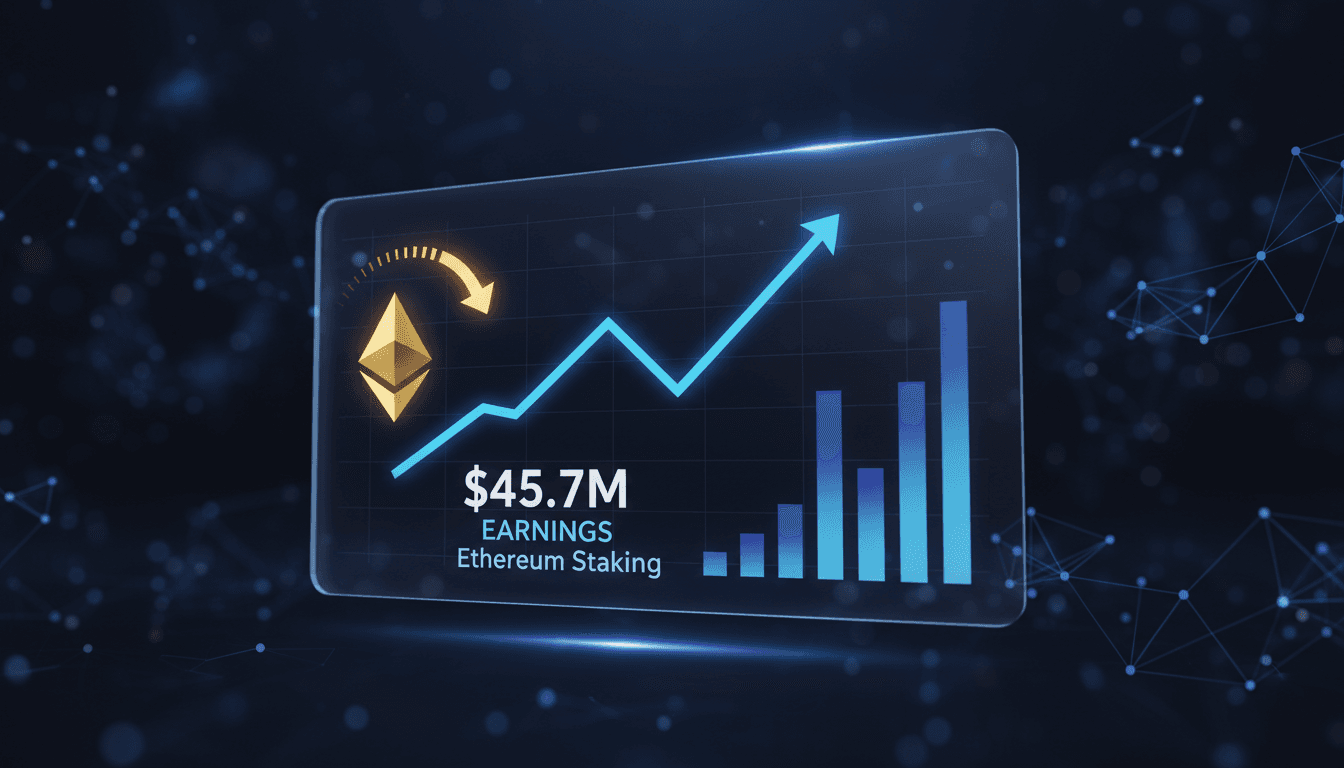
- Crypto· World
SBI Global Asset Management launches first tokenized Japanese equity fund on Solana blockchain
SBI Global Asset Management has launched the world's first tokenized Japanese equity fund on the Solana blockchain. This initiative is part of a broader partnership with the Solana Foundation aimed at developing a comprehensive on-chain financial market in Japan. The collaboration is expected to drive further advancements in blockchain applications within the financial sector, potentially influencing global trends in tokenization and digital asset management.
3 sourcesJul 16
- Crypto· World
Chainlink integrates U.S. macroeconomic data and enhances infrastructure through major migration
Chainlink has integrated U.S. macroeconomic data from the Department of Commerce and experienced a price increase following Mantle's $2.5 billion migration to its infrastructure. This shift is occurring now as demand for LINK rises due to strategic partnerships, including Robinhood's adoption of Chainlink's CCIP. In the long term, this integration could position Chainlink as a pivotal player in the cryptocurrency landscape, attracting more users and partnerships.
4 sourcesJul 16
- Business· World
Valarian secures $50 million in Series A funding to enhance data sovereignty solutions
Valarian, a London-based startup, has raised $50 million in a Series A funding round to help governments and enterprises utilize American cloud services while maintaining control over their data. This funding, led by the US venture fund NEA, comes as organizations increasingly seek to balance the benefits of cloud computing with concerns over data privacy and sovereignty. The long-term implication is that Valarian's success may inspire more startups to focus on similar data sovereignty solutions in the cloud computing sector.
3 sourcesJul 16
- Business· World
SBI Funds Management's IPO Fully Subscribed in Two Days
SBI Funds Management's initial public offering was fully subscribed within two days of bidding. This surge in demand is driven by strong investor confidence in India's mutual fund market, particularly from institutional investors. The successful IPO indicates a robust outlook for future public offerings in India, suggesting continued growth in retail participation in the financial sector.
3 sourcesJul 16
- Business· World
General Fusion Group Ltd. becomes first publicly traded nuclear fusion company on Nasdaq
General Fusion has begun trading on the Nasdaq following a reverse merger, marking a historic moment as the first publicly listed nuclear fusion company. This debut is driven by strong investor interest and confidence in the potential of fusion technology to revolutionize energy consumption. The long-term implication is that this could lead to increased investments in fusion technology and its applications across various industries, including AI data centers.
3 sourcesJul 16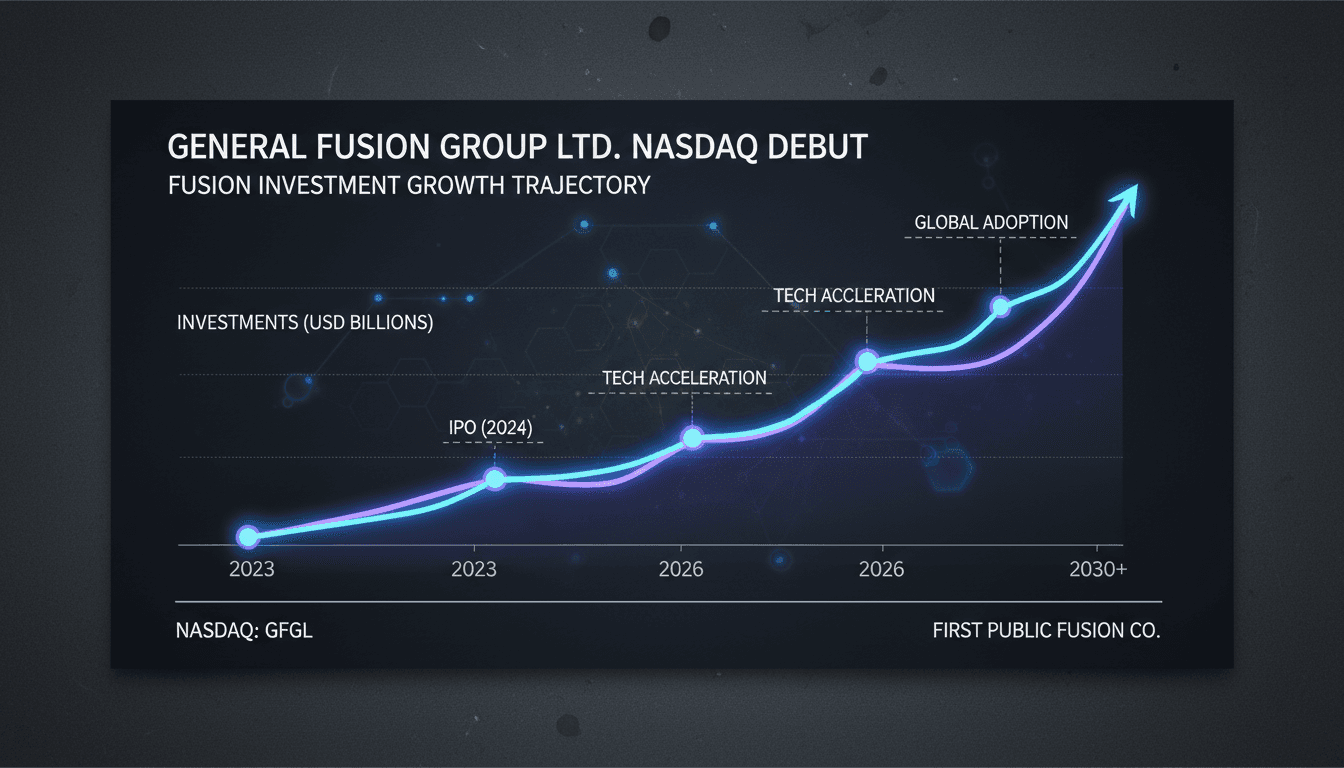
- Business· World
Shein secures approval for Hong Kong IPO aiming to raise up to $3 billion
Shein has received clearance for its Hong Kong IPO, targeting a market debut as early as August 2026. This move follows regulatory challenges faced in the U.S. and London, and comes after receiving approval from China's securities regulator. If successful, Shein's IPO could reshape its financial landscape and enhance its competitive edge in the fast-fashion industry.
4 sourcesJul 16
- Economy· World
Gold prices decline amid rising oil prices and U.S.-Iran tensions
Gold prices fell approximately 3% in the last 48 hours due to rising oil prices and escalating tensions between the U.S. and Iran. The reimposition of a naval blockade on Iranian ports has contributed to the increase in oil prices, prompting traders to adjust their expectations for Federal Reserve interest rate hikes. As inflation concerns grow, the attractiveness of gold as a safe haven may diminish, leading to continued volatility in gold prices and potential shifts in investment strategies.
3 sourcesJul 16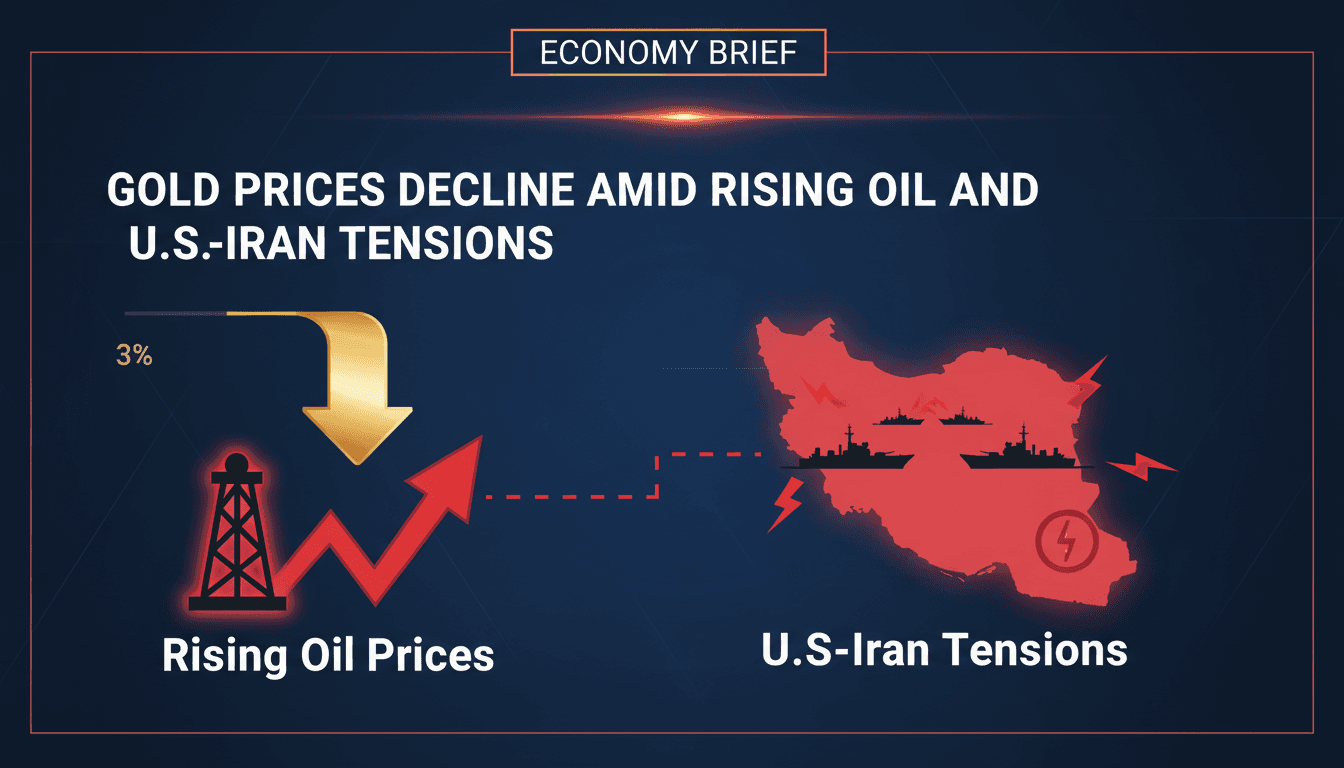
- Economy· World
Gold prices decline over 1% amid rising oil prices and geopolitical tensions
Gold prices have fallen by more than 1% due to increasing oil prices and renewed fears of a blockade in the Strait of Hormuz. This decline is triggered by comments from U.S. monetary policymakers indicating potential interest rate hikes to address inflation. The long-term implication suggests that ongoing geopolitical tensions and economic policies will continue to influence fluctuations in gold and oil prices.
4 sourcesJul 16
- Economy· World
Federal Reserve Governor signals potential interest rate hikes amid persistent inflation concerns
Federal Reserve Governor Christopher Waller has warned that interest rates may need to rise if inflation does not decrease. This warning comes as the Fed assesses the current economic landscape and the need for tighter monetary policy following previous delays in rate adjustments. The long-term implication is that the Fed's decisions in the coming months will significantly influence economic stability and market reactions, particularly in the context of inflation data releases.
5 sourcesJul 16
- Economy· World
Eurozone bond yields rise as Japan's GPIF plans significant bond purchases
Bond yields in the Eurozone have increased, with the 10-year Bund yield reaching an eight-week high. This shift is driven by rising oil prices and Japan's GPIF considering up to $76 billion in government bond purchases to support the local debt market. The long-term implication may involve heightened inflationary pressures in Europe and a bolstered bond market in Japan amid global economic uncertainties.
3 sourcesJul 16 - Economy· World
Wall Street banks forecast record earnings driven by SpaceX IPO and market volatility
Major Wall Street banks are projected to report record earnings for Q2 2026, with anticipated trading revenues reaching nearly $39 billion. This surge is primarily triggered by increased trading activity linked to the SpaceX IPO and ongoing market volatility exacerbated by geopolitical tensions. In the long term, banks are likely to continue benefiting from favorable trading conditions as they adapt to evolving market dynamics.
3 sourcesJul 16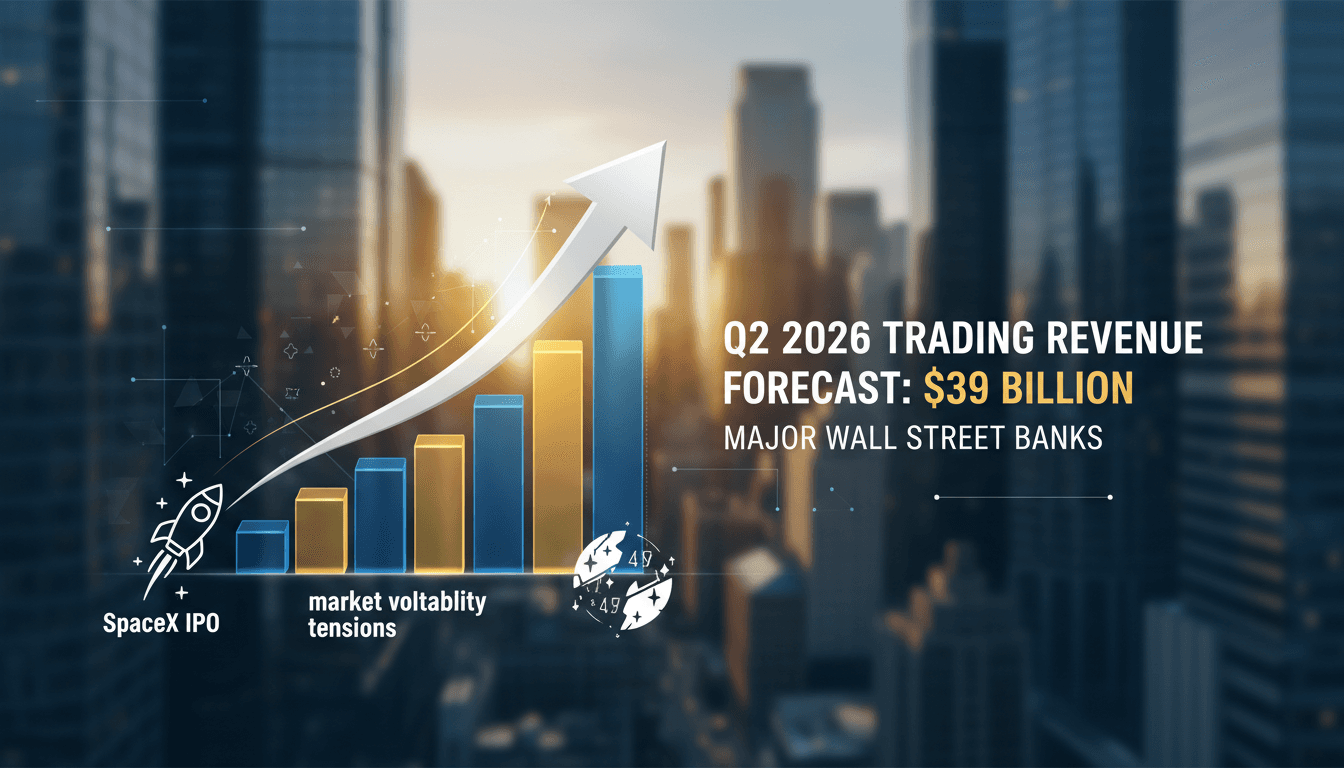
- Economy· World
China poised to increase crude oil imports amid U.S.-Iran tensions
China's crude oil imports are expected to rebound after a period of reduced purchasing. This potential recovery is triggered by the country's relaxation of fuel export curbs and rising geopolitical tensions between the U.S. and Iran that threaten Gulf oil supplies. Long-term, China's renewed buying could significantly influence global oil prices and market dynamics.
3 sourcesJul 16
- Business· World
Uber in Advanced Negotiations to Acquire Delivery Hero for €12.5 Billion
Uber is nearing a €12.5 billion deal to acquire Delivery Hero. This acquisition is driven by Uber's strategy to enhance its food delivery capabilities and consolidate its market position. If finalized, the deal could reshape the competitive landscape of the food delivery industry, prompting other companies to reassess their strategies.
4 sourcesJul 16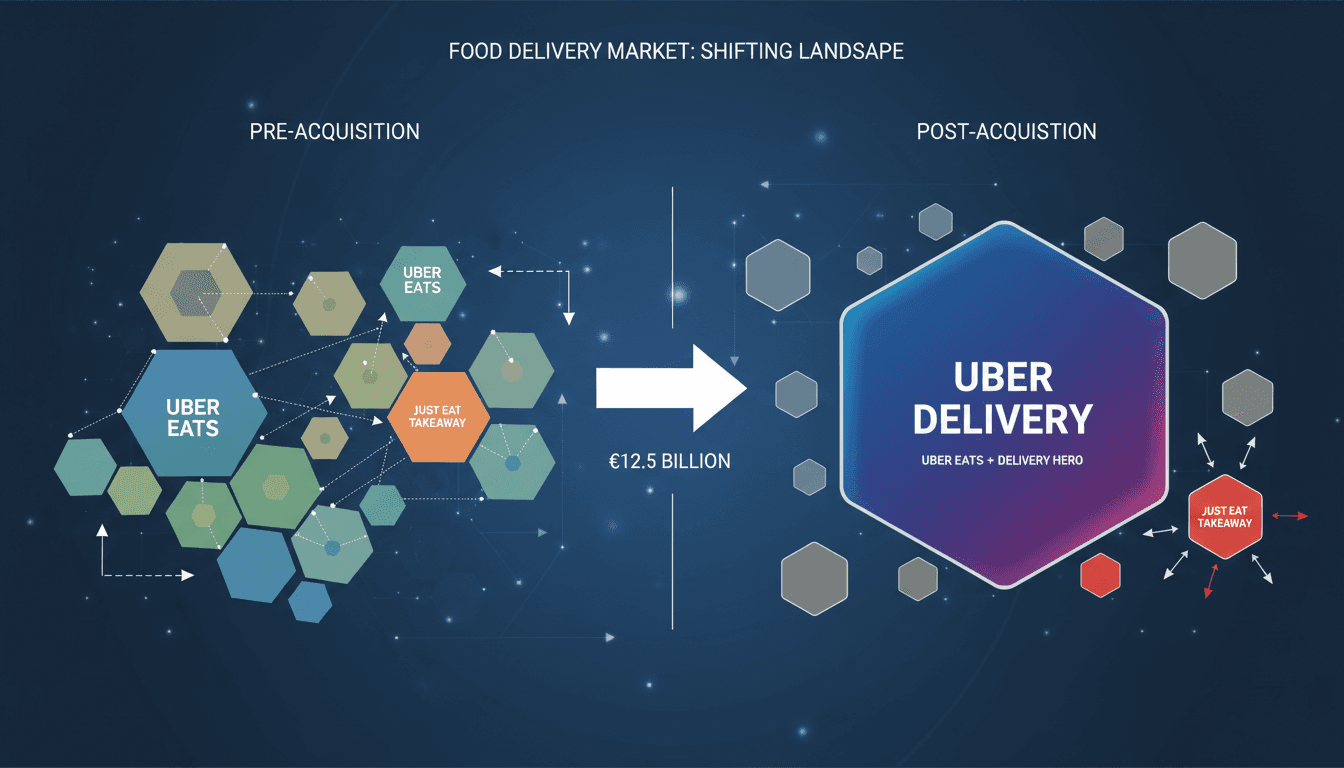
- Business· World
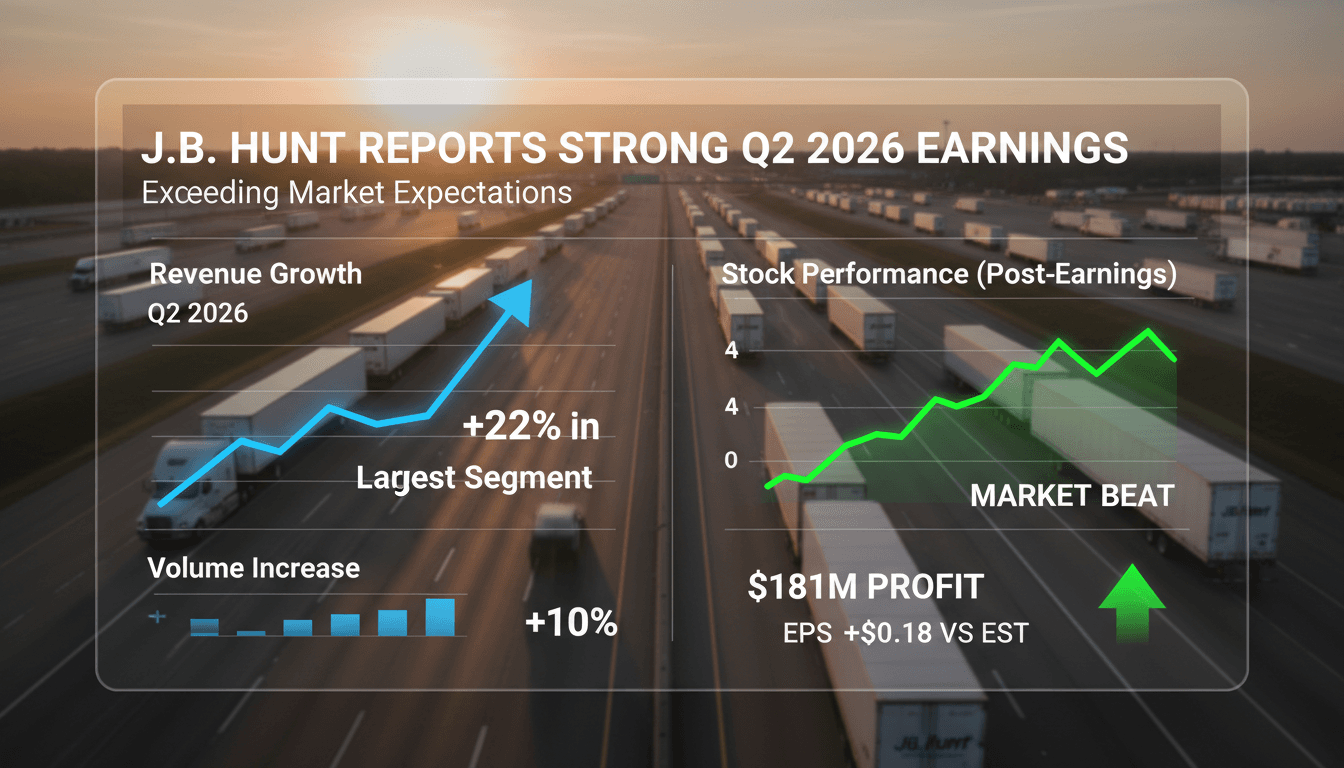
J.B. Hunt Reports Strong Q2 2026 Earnings Exceeding Market Expectations
J.B. Hunt announced a profit of $181 million for Q2 2026, with revenue growth across most segments. The company's earnings beat estimates by $0.18, driven by a 22% increase in revenue in its largest business segment and a 10% increase in volume. This strong performance indicates robust demand for logistics services, positioning J.B. Hunt for continued success in the logistics market.
4 sourcesJul 16